

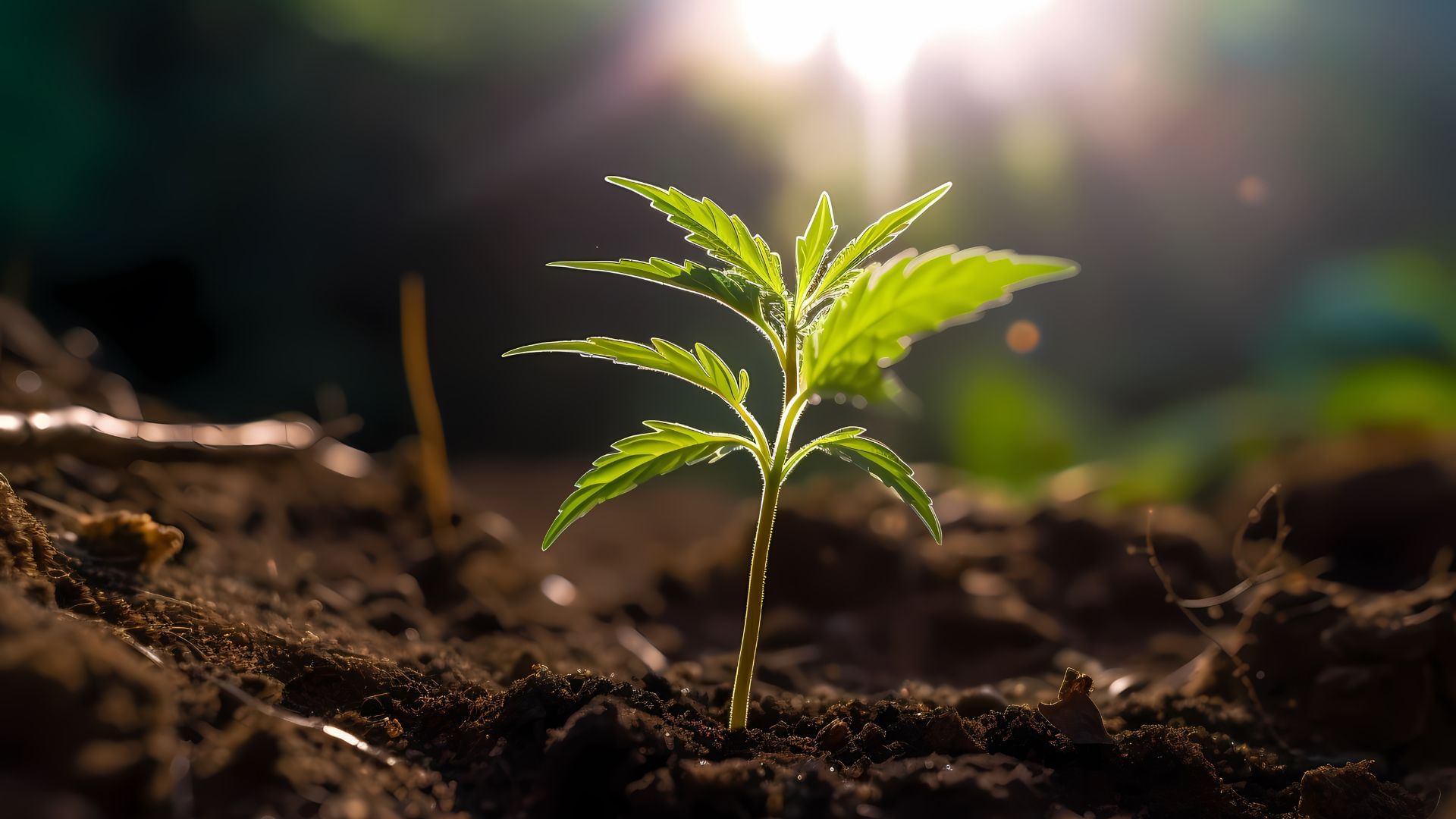
Cannabis cultivation – or at least outdoor cultivation, is closely linked to the rhythm of nature. The arrival of September stirs a swirl of questions for both budding and veteran outdoor cannabis growers. Given the month's transitional climate and its inherent unpredictability, lots of people want to know if outdoor cannabis thrives when planted in September. Depending on your location, there’s a lot to unpack, so let’s dissect the key variables.
The Pivotal Role of Seasons:
In the Northern Hemisphere, late summer is considered the end of August. September 1st is officially the first day of autumn, ushering in cooler temperatures and shorter days. In the Southern Hemisphere, however, September awakens springtime blooms. This dual identity of September makes understanding its behaviours paramount for successful cultivation. Paying close attention to the seasonal changes in your local climate will give you a clear map of what stands between you and a September-starting outdoor grow.
The Importance of Hemis-fear
Sunlight is not just about nourishment for plants—it's also a profound communicator. The nuances of sunlight, in terms of both angle and duration, serve as potent signals for growth phases. For this reason, the hemisphere you reside in will significantly influence your chances of success and the necessary precautions for a September start.

Northern Hemisphere: As summer recedes, daylight hours wane. For cannabis, this dwindling light might trigger an early shift into the flowering stage—a potential impediment for plants that haven't sufficiently matured during the vegetative phase. Planting photoperiod cannabis at this stage means limited opportunity for your plants to pack on size and bud sites – which means lesser yields.
Southern Hemisphere: Here, September's daylight hours begin to stretch, signalling an onset of vegetative growth. However, uneven spring weather can pose sporadic challenges. There’s still a chance of colder mornings and ground frosts, which are no friend to the outdoor cultivator or the cannabis plant.
If you’re lucky enough to be closer to the equator, you have fewer limitations in terms of daylight hours and temperature drops!
The Seeds You Choose Matter
One of the many wonderful facets of cannabis is that it isn't a monolithic species. Its vast genetic pool boasts strains with varied growth cycles, resilience levels, and harvest timelines. Understanding these is essential to navigating a successful September start – should you take the plunge.
Autoflowering Strains: These gems, with their shorter life cycle and inherent capability to flower based on age rather than light cues, are especially valuable for late September plantings north of the equator. Their rapid transition from seed to harvest (often within 8-10 weeks) aligns well with the cooling weather, potentially culminating in a late November harvest.

If you’re tempted to plant at this stage of the year, Autoflowering seeds are arguably the wisest pick. However, it’s essential to impart one piece of information. In the Northern Hemisphere, the reduction in daylight and more hours of darkness will have a knock-on effect on your plant productivity. Less daylight integer means lower yields, so while you can grow from this point forward, a bumper return of buds is unlikely.
Early/Fast-Flowering Indicas: Indicas, especially the faster-flowering varieties, typically display good cold resilience due to their hailing from mountainous terrains. Their shorter flowering windows (typically 8-9 weeks) put them ahead of sativas and might make them apt candidates for September plantings, especially in milder climates.
Early/FAST cannabis strains are selectively bred to finish quickly with a shorter flowering period. However, they are not autoflowering plants and still rely on a light cycle change.
Temperature: A Silent Growth Influencer
While cannabis is versatile, its growth thrives within a specific temperature bandwidth, usually between 65-80°F (18-27°C). September's temperature vagaries, however, can diverge from this ideal.
Northern Hemisphere: Nights will grow colder in September, and sudden temperature drops can send plants into stress. Extended exposure to frigid conditions might not just reduce yields but can also seriously jeopardise plant health. Adequate precautions are necessary if you’re to navigate such perilous waters.
Southern Hemisphere: Here, the primary concern isn't cold but rather the unpredictability of spring. While temperatures generally trend upwards, occasional cold snaps can still be detrimental. We’ll discuss potential solutions to these potential problems.
Autumnal Armour: How To Guard Against September's Challenges
While September's climatic quirks may present challenges, they're not insurmountable. Strategic interventions can drastically tip the scales in favour of a worthwhile harvest.
Genetics: Since they are the keystone to every successful cannabis grow, choosing the right genetics for a September start will make or break your project as much as any other factor. For instance, if you’re in the Northern Hemisphere, it’s hardly worthwhile to plant a sativa photoperiod strain. This can only end in tears. Instead, opt for autos or FASTS. Time waits for nobody, and you need genetics that have a chance to outrun the clock straight out of the block. In the southern hemisphere, a September start means you’re less limited in choice when it comes to genetics, but ensure you’re taking other necessary precautions to guard against the last days of chillier weather, such as the protective measures listed below:
Polytunnels: Think of these as scaled-down greenhouses. Polytunnels shield plants from erratic temperature fluctuations and precipitation excesses (rain, sleet, and even snow!). Beyond protection, they can extend the viable growing season in colder areas.

Tarpaulins: Simple yet effective, draping tarpaulins over plants during colder evenings can trap some residual warmth, offering plants a buffer against the cold. However, ventilation is crucial; condensation can create a hotbed for mould and mildew. Don’t throw a tarp directly over the plants – mount stakes around your plants and let the tarp sit above.
Mulching: Beyond its benefits for soil health and moisture retention, mulching acts as a temperature moderator. A generous layer of organic mulch can keep the soil temperate, ensuring the root zone remains stable.
Light Supplementation: For those in rapidly darkening regions, supplemental light can be a game-changer. A few extra hours of light in the early evening can help extend the perceived daylight, which is particularly beneficial for photoperiod strains that rely on light cues.
Concluding Thoughts:
While September presents unique challenges for growing cannabis outdoors, it's not an insurmountable month. It’s worth noting that challenges are greater in the Northern Hemisphere, and the likelihood of successful outdoor growth is lower. Your hemisphere and knowing your climate is, of course, vital. Strategic choices in strains and effective contingency plans like polytunnels or tarpaulins can significantly enhance the odds of a successful harvest of high-quality cannabis, albeit perhaps with a lower yield. As with all farming endeavours, observation, adaptation, and a touch of optimism can carry the day.
Finally, if you have the means for an indoor grow, you can immediately remove all of these headaches and guarantee a successful harvest!
Recommended Cannabis Seeds to Plant Outdoors for a September Start:
Autoflowering and Early/FAST strains give you the best chance of pulling off a harvest with such a late start. Here's 3 of our finest:
Northern Lights Auto
Seedsman's autoflowering take on a modern classic combines the original Northern Lights strain with ruderalis genetics, ensuring a faster turnaround but the same high-quality cannabis you've come to expect from the photoperiod version. As a bonus, NL auto comes with a reputation as a hardy, vigorous plant, with good resistance to fungus, plant diseases and pests - just the thing to survive the change of seasons. THC content is still a phenomenal 23%, and the 55-60 day flowering period should see you bring in your harvest in November - provided you act fast!


C99X Blueberry FAST
On your marks.....get set....grow! C99xBlueberry FAST is just the things when you don't have time to mess around. Is 45 days fast enough? That's how long this jet-powered indica-sativa hybrid takes to produce the goods. The sweet taste of blueberries is very much to the fore, and outdoor yields are sufficient that, even with a late start, this photoperiod will most likely provide a good return on your efforts.

Blue Dream FAST
What if we told you that you could get your hands on one of the most in-demand, high-quality cannabis strains of the day after a mere 56 day flowering period, starting now? If "Which strain should I plant today if I want incredible buds in November" is the question, Blue Dream FAST is the answer. The original blue Dream is a real crowd-pleaser - easy to grow, productive, and potent, and we've managed to retain all of these qualities while cutting the flowering time. THC content is around 18-20% and the seet taste of ripe fruits and berries marries perfectly to the uplifting experience of this sought-after strain.

