
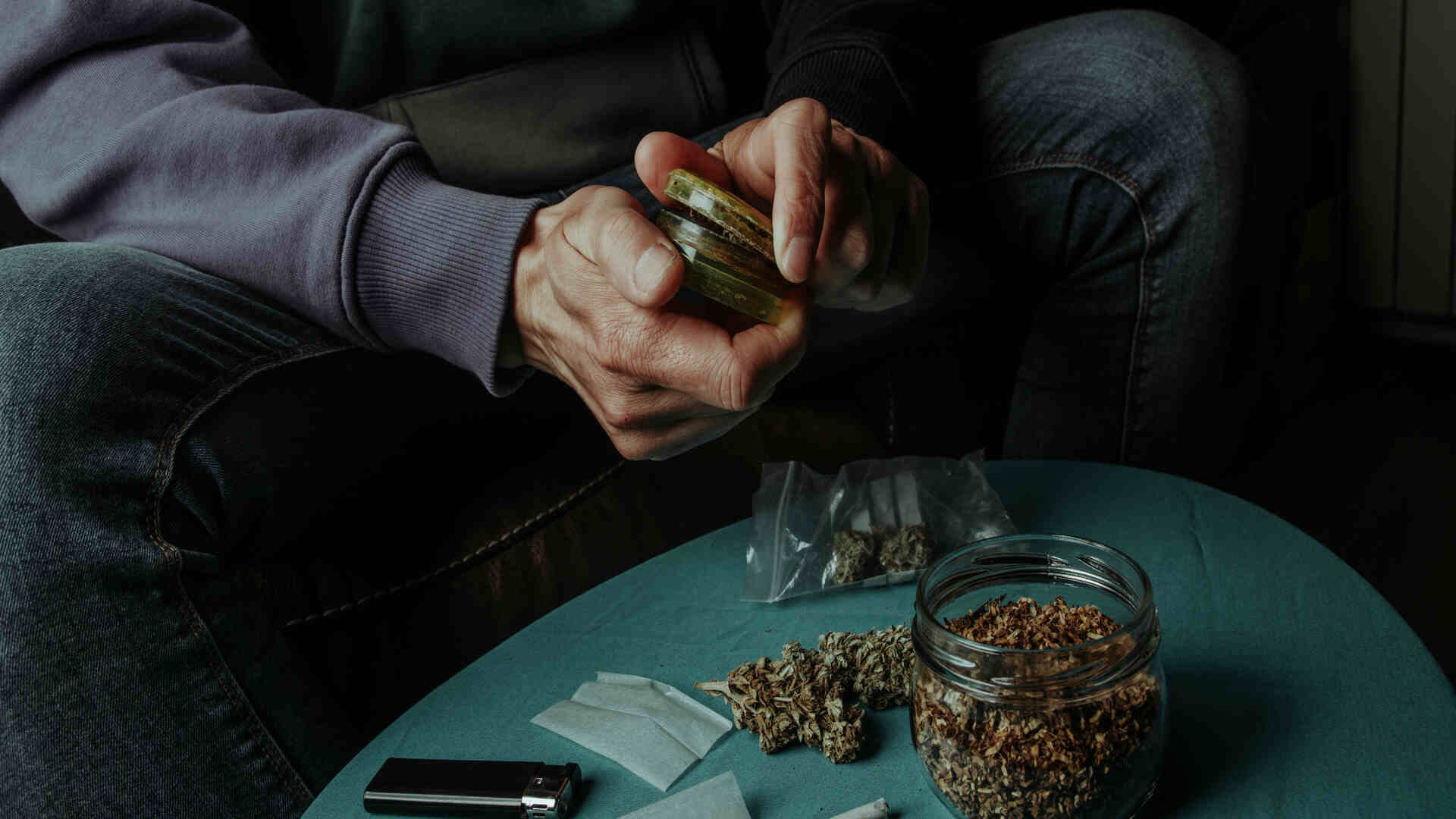

The fruit of the mighty cannabis plant has been used safely, both recreationally and medicinally, for centuries. But with its increasing availability and social acceptance, questions about its safety, particularly in terms of overdose potential, have gained prominence. Is it possible to overdose on cannabis? The short answer is no—at least not in the way we think of overdosing on substances like opioids or alcohol. However, the story is far more nuanced, involving the endocannabinoid system, recorded cases of something known as “greening out,” and the steps necessary for safe consumption.
Acute marijuana intoxication can occur, and while most individuals might not need extensive evaluation, certain severe symptoms may require medical attention and supportive treatment.
Let's lift the lid and look into how cannabis interacts with the body, examine the idea of overdosing, and provide a guide to responsible cannabis use.
How Cannabis Interacts with the Body
Cannabis contains chemical compounds called cannabinoids, the most notable being tetrahydrocannabinol (THC) and cannabidiol (CBD). These compounds interact with the body’s endocannabinoid system (ECS), a complex cell-signaling system involved in regulating physiological processes like mood, appetite, pain, and sleep.
When consumed, cannabinoids bind to ECS receptors:
CB1 receptors, primarily found in the brain and central nervous system, are responsible for the psychoactive effects of THC.
CB2 receptors, located in the immune system, influence inflammation and immune responses.

THC, the main psychoactive component, mimics the natural endocannabinoid anandamide, often referred to as the "bliss molecule." This mimicry triggers the release of dopamine, resulting in euphoria or a "high." However, excessive THC can overstimulate CB1 receptors, leading to unpleasant side effects—a phenomenon often referred to as "greening out." You can learn more about the endocannabinoid system here.
Is it Possible to Overdose on Weed?
The Definition of Marijuana Overdose Symptoms
In the context of substances, overdose generally refers to consuming an amount that causes life-threatening symptoms or death. Cannabis overdose, while not lethal, involves consuming more THC than the body can process comfortably, resulting in adverse effects like anxiety, paranoia, nausea, or in some cases, more severe symptoms that may require medical intervention.
Recorded Cannabis Overdose Deaths
According to UK Government statistics, there are no reported cases of a fatal cannabis overdose due to overconsumption of THC, although there are certainly a few due to dangerous synthetic cannabinoids, which is a separate, more troubling issue. A study published in Drug and Alcohol Dependence estimates the lethal dose of THC to be approximately 1,260 milligrams per kilogram of body weight in humans—a virtually unattainable amount through normal consumption methods like smoking or edibles. For context, consuming this amount would require smoking hundreds of joints in a very short period, which is pretty much physically impossible.
While fatal weed overdoses are rarer than rare, serious health risks can arise, particularly for individuals with pre-existing health conditions. Symptoms of a weed overdose can include severe anxiety, paranoia, and increased heart rate, emphasizing the importance of understanding the risks associated with marijuana use.

Cannabis Overdoses: "Greening Out"
Although cannabis doesn’t cause fatal overdoses, excessive consumption can result in a phenomenon hardcore cannabis smokers refer to as “greening out.” In some places, cannabis users refer to this phenomenon as a "whitey" due to the change in pallor when this kicks in. This non-lethal but distressing state occurs when THC overwhelms the ECS. Symptoms of greening out include:
- Intense anxiety or paranoia
- Rapid heart rate (tachycardia)
- Nausea and vomiting
- Dizziness or disorientation, caused by a drop in blood pressure
- Sweating or chills
- A feeling of detachment or unreality
The severity of greening out can vary, and in many cases, there are simple fixes to counter the symptoms. But in cases of severe symptoms, it is important to recognize the potential for a THC overdose. Immediate medical assistance may be necessary, and treatments can include hydration, rest, and in some cases, medications to alleviate symptoms.
These symptoms are temporary and subside as THC is metabolized, usually within a few hours. However, they can be alarming, especially for inexperienced users.
Understanding the Endocannabinoid System
To fully grasp why cannabis doesn’t cause fatal overdoses, it’s important to understand the endocannabinoid system (ECS) and its relationship to vital functions. Unlike opioids, which bind to receptors in the brainstem and can disrupt breathing, cannabinoids interact with receptors that don’t control essential life functions.
The ECS operates as a biological balance system, maintaining homeostasis in the body. When THC binds to CB1 receptors, it can affect perception, memory, and motor skills, but it does not directly suppress the respiratory centers in the brainstem. This lack of respiratory depression is why cannabis use, even in high doses, doesn’t cause death.
Statistics on Cannabis Overdose and Consumption
While no deaths from THC overconsumption alone have been recorded, cases of cannabis-related emergency visits in some places are rising. According to a 2023 study published in JAMA Network Open, the legalization of cannabis in Canada has coincided with an increase in hospital visits for adverse reactions, including greening out. These visits often result from consuming high-potency THC products or edibles, which take longer to metabolize and can lead to accidental overconsumption.
There is also an increased risk of severe health problems, particularly for individuals with pre-existing health conditions, when consuming marijuana. Chronic use significantly raises the likelihood of developing mental health issues, such as depression and anxiety, especially in those with a genetic predisposition to such disorders. For these reasons, it's important to understand safe dosing and to start low and go slow.
Edibles: A Common Culprit
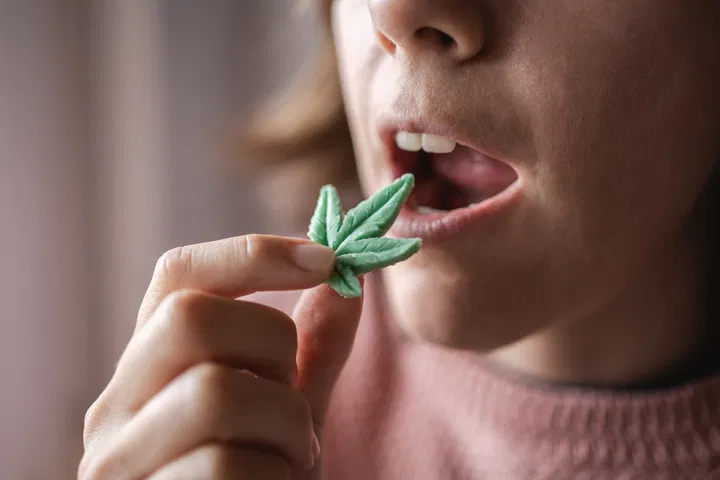
Edibles are a frequent cause of greening out because their effects are delayed, often taking 1-2 hours to peak. This delay can lead users to consume more than intended. Unlike smoking, where the effects are almost immediate, the slow onset of edibles can be deceptive, increasing the risk of overconsumption. This happens when inexperienced (and sometimes, experienced) users don't feel any effects in the short aftermath of consuming edibles, and decide to re-dose to compensate. After time, the cumulative effects kick in, and can be overwhelming. When you read about consuming THC edibles, you'll regularly come across the mantra "start low and go slow" for this very reason.
Safe Cannabis Consumption
Responsible cannabis use is key to avoiding unpleasant experiences. There are some key guidelines worth following before jumping into heavy usage, outlined below:
Start Low, Go Slow
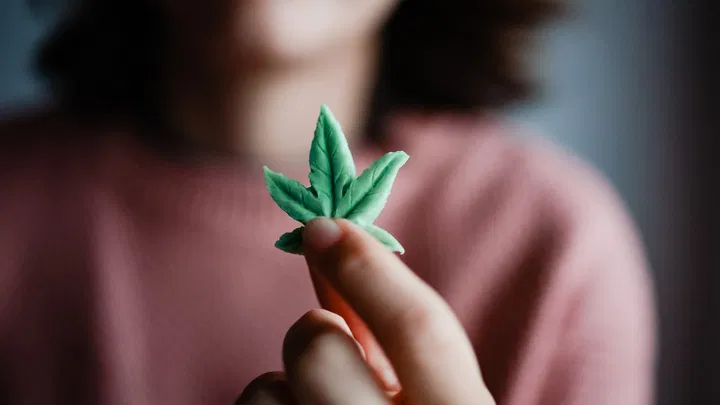
Begin with low doses, especially if you’re a novice or trying a new product. A small amount of THC can produce significant effects in inexperienced users. For edibles, consider starting with 2.5-5 mg of THC to gauge your tolerance. Avoid the temptation to consume more if you don’t feel immediate effects—edibles take longer to work.
Know Your Tolerance with Marijuana Use
Everyone’s body reacts differently to THC. Factors like weight, metabolism, and experience with cannabis all play a role in determining how much is too much. Regular users may have a higher tolerance, while occasional users or beginners should remain cautious with dosing.
Avoid Mixing Substances
Combining cannabis with alcohol or other drugs can amplify negative effects, such as dizziness or nausea. Alcohol, in particular, enhances THC absorption, making the effects more intense and potentially uncomfortable. Many people practice crossfading (mixing cannabis and alcohol) but this should be done with extreme caution as it can lead to dehydration and other issues.
Choose the Right Environment
Use cannabis in a safe, comfortable setting, especially if experimenting with higher doses or unfamiliar products. A familiar and calming environment can reduce feelings of anxiety or paranoia. Surround yourself with trusted people who can provide reassurance or assistance if needed.
Understand Potency
Not all cannabis products are created equal. Pay attention to the THC content listed on packaging, especially with concentrates and edibles. High-potency products should be approached with caution, as even a small amount can lead to overconsumption.
What to Do If You Start Experiencing Marijuana Intoxication
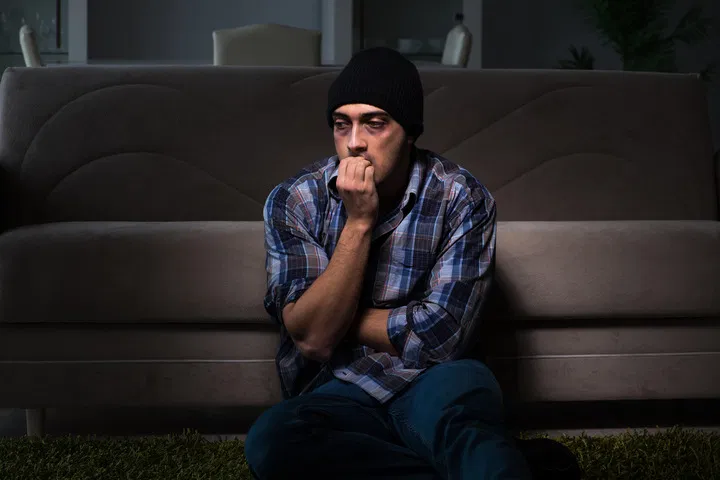
Experiencing a cannabis overdose can be unsettling, but it’s manageable with the right approach. If you or someone else begins to green out, follow these steps:
Stay Calm: Anxiety often exacerbates the symptoms of greening out. Remind yourself that the effects are temporary and will subside in a few hours. Breathing exercises or grounding techniques, like focusing on physical sensations, can help reduce panic.
Find a Safe Space: Sit or lie down in a quiet, comfortable area to prevent falls or injuries. Avoid overly stimulating environments, such as crowded or noisy places, which can heighten discomfort.
Stay Hydrated: Sipping water can alleviate dry mouth and help your body process THC. However, avoid overhydration, as drinking excessive amounts of water can cause discomfort.
Distract Yourself: Focus on calming activities, like listening to soothing music or watching a relaxing TV show. Distractions can help shift your mind away from negative sensations and pass the time until the effects diminish.
Consider CBD: CBD, another cannabinoid found in cannabis, may help counteract THC’s psychoactive effects. Products containing CBD oil or capsules can be useful for restoring balance in the ECS.
Seek Support: If the symptoms feel overwhelming, ask a trusted friend or family member for support. Having someone reassuring nearby can help alleviate feelings of panic or isolation.
Consult Medical Help if Needed: If symptoms like severe vomiting, chest pain, or extreme anxiety persist, seek medical attention. Be honest with healthcare providers about cannabis use to ensure appropriate care.
Additionally, individuals trying to quit marijuana may face withdrawal symptoms such as irritability, insomnia, and cravings, which can present significant challenges.
Conclusion
While it is nearly impossible to overdose fatally on cannabis, overconsumption can lead to uncomfortable and sometimes distressing experiences known as “greening out.” Understanding how cannabis interacts with the body, particularly the endocannabinoid system, highlights why it doesn’t pose the same overdose risks as substances like opioids. However, as cannabis potency increases and products like edibles become more accessible, responsible consumption is essential.
By starting with low doses, knowing your tolerance, and avoiding mixing substances, you can enjoy the benefits of cannabis while minimizing risks. And if you or someone you know experiences adverse effects, simple measures like staying calm, hydrated, and in a safe space can make all the difference.
Cannabis is a powerful plant with profound effects on the human body, but like any substance, it must be approached with respect and knowledge. For further reading on cannabis safety and health implications, explore the following resources:
Through informed use and mindfulness, cannabis can be a safe and enjoyable part of life for many. Stay informed, stay safe, and enjoy responsibly.