

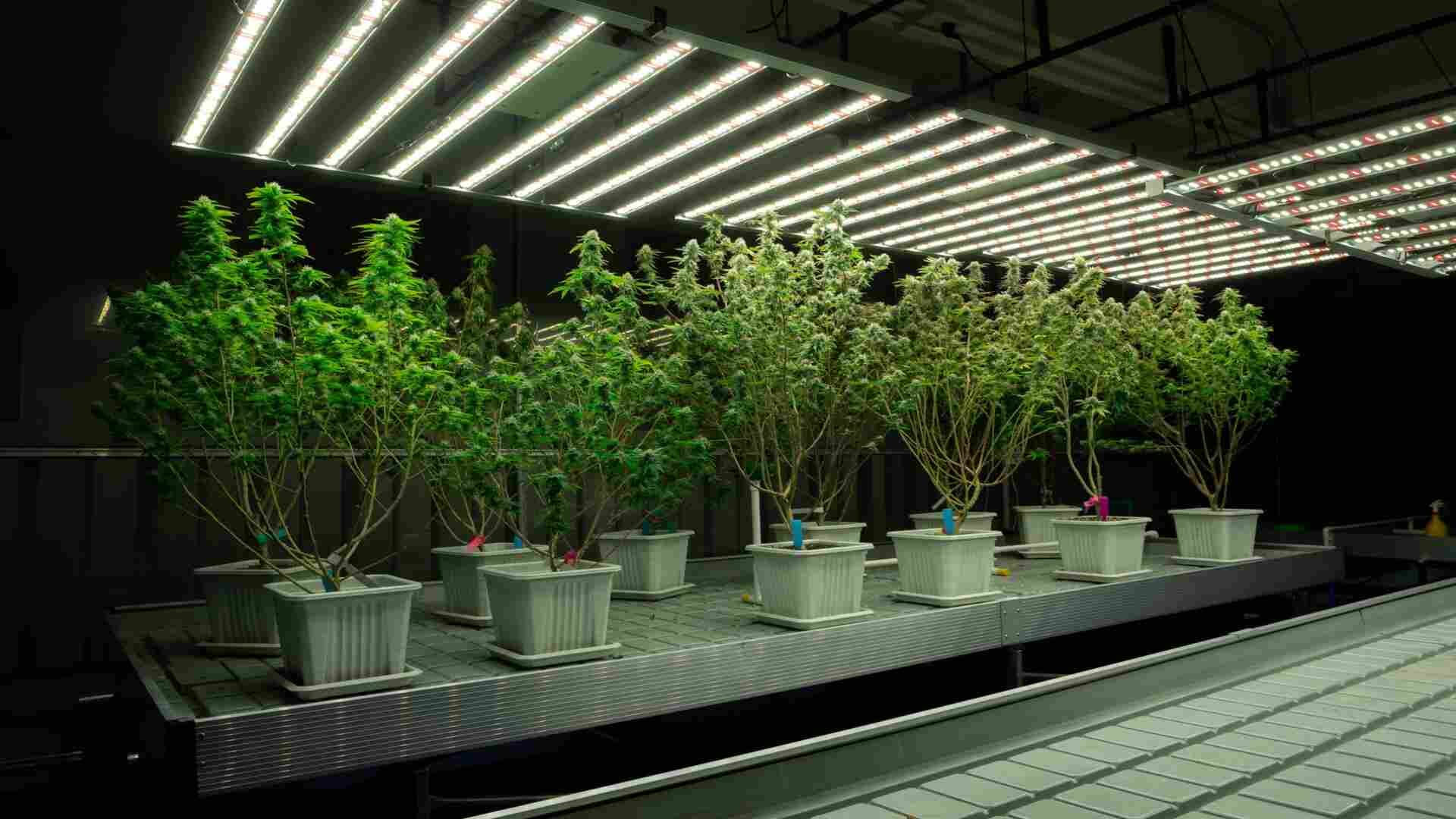
Choosing between cannabis hydroponics and soil gardening can be challenging. In this guide, we’ll explore the pros and cons of hydroponics vs soil pros and cons, helping you determine which method is best for your gardening needs. We’ll cover efficiency, yield, water usage, and more.
Key Takeaways
- Hydroponics offers faster growth rates, higher yields, and more efficient water use than traditional soil gardening.
- Soil gardening relies on natural processes and microbial interactions. It benefits from a diverse ecosystem that enhances plant health but can be resource-intensive.
- Both gardening methods have unique advantages. Hydroponics allows year-round cultivation in limited spaces, while soil gardening supports nutrient cycling and potentially provides richer crop flavors.
Understanding Hydroponics
Hydroponic gardening is an innovative technique that forgoes the use of soil, with plants being nurtured in a solution rich in nutrients instead. This allows for more precise and efficient use of resources while granting meticulous control over the conditions in which the plants are grown. When hydroponic systems are compared to traditional soil-based methods, it’s evident that they offer significant advantages in terms of environmental impacts, water use efficiency, and crop quality. It’s particularly beneficial within urban areas where space can be scarce, as it provides a way to grow plants indoors throughout all seasons. Growing plants in a hydroponic environment can diminish common problems like weeds and pests, thus easing maintenance concerns and lessening resource competition.
Vigilant monitoring and upkeep are necessary to maximize plant growth within hydroponic systems. By administering nutrient solutions directly to the roots of the plant life, their nutritional needs can be accurately met. This leads to healthier vegetation and accelerates their growth rate compared to traditional methods involving soil.
This approach significantly saves water usage, making it an environmentally preferable option when juxtaposed against standard horticultural practices.
Types of Hydroponic Systems
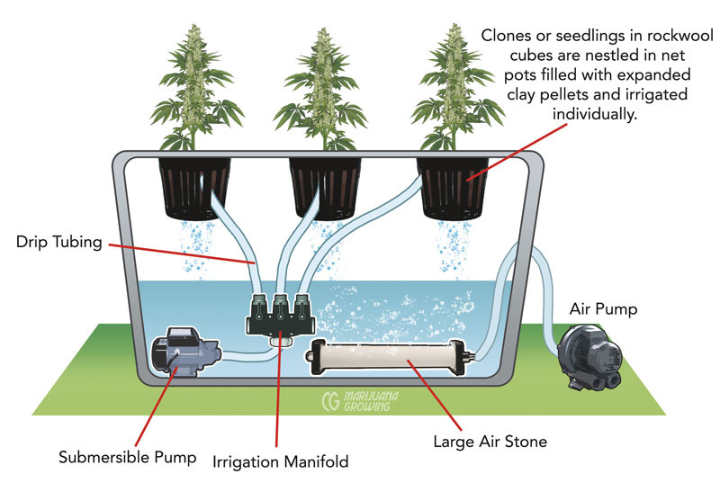
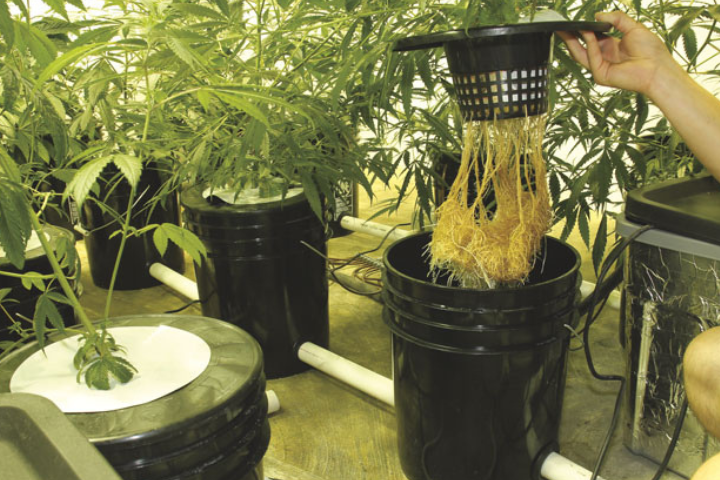
Hydroponic systems come in various forms, each designed to enhance how plants receive essential nutrients and oxygen. In Deep Water Culture (DWC) systems, plant roots dangle into a nutrient-rich water reservoir. At the same time, air stones coupled with pumps infuse necessary oxygen levels into the solution, creating an optimal environment for robust plant development.
Another prevalent approach is the Nutrient Film Technique (NFT), which facilitates a perpetual flow of nutrient-enriched water along the root zone. This thin layer of flowing nutrient solution allows for uninterrupted access to nutrients and oxygen, supporting swift vegetative progress. Drip irrigation hydroponics is also employed extensively. These deliver precise amounts of moisture and nutrition directly onto the plants through controlled dripping.
Various other approaches, such as aeroponics, exist where roots hang in mid-air, receiving regular mists packed with nutritious solutions – enabling maximum contact between roots and life-giving elements like oxygen for heightened absorption efficiency. Collectively, these hydroponic techniques present diverse benefits, aligning them as suitable choices for cultivators ranging from hobbyist small-scale growers to expansive commercial agricultural operations.
Critical Components of Hydroponic Systems
Several critical elements are necessary for success in hydroponic systems. The plants’ needs dictate the composition of nutrient solutions, which must be tailored appropriately. Substrates such as perlite and rockwool are instrumental in supporting root structures while promoting aeration to facilitate the effective delivery of nutrients. The role of water reservoirs is fundamental in preserving the integrity of these nutrient solutions by regulating their pH levels and maintaining adequate nutrient concentrations.
Grow lights are indispensable for hydroponic gardening indoors. They employ LED, HID, or fluorescent bulbs to emit a light spectrum that fosters prime plant growth conditions. Support mechanisms, including net pots and containers constructed from food-safe materials, help keep plants anchored and stable within their growing system.
Together, all these components work harmoniously to fashion a controlled environment conducive to bolstering plant health and enhancing yield productivity.
Space Savings in Hydroponics
Hydroponic systems offer a significant advantage when it comes to space savings. Growing plants in a controlled environment, hydroponics allows for maximum use of space, making it ideal for urban farming and small-scale growers. These systems can be designed to be compact and vertical, allowing for multiple layers of plants to be grown in a small area. This saves space, increases crop yields, and reduces the need for large land areas.
In addition, hydroponic systems can be used to grow various crops, including leafy greens, herbs, and microgreens, which can be harvested in as little as 1-2 weeks. This fast growth rate and high yield make hydroponics an attractive option for commercial growers looking to maximize their space and increase their profits. Hydroponic systems provide a practical solution for those with limited growing areas by optimizing vertical space and ensuring efficient use of resources.
Exploring Soil Gardening
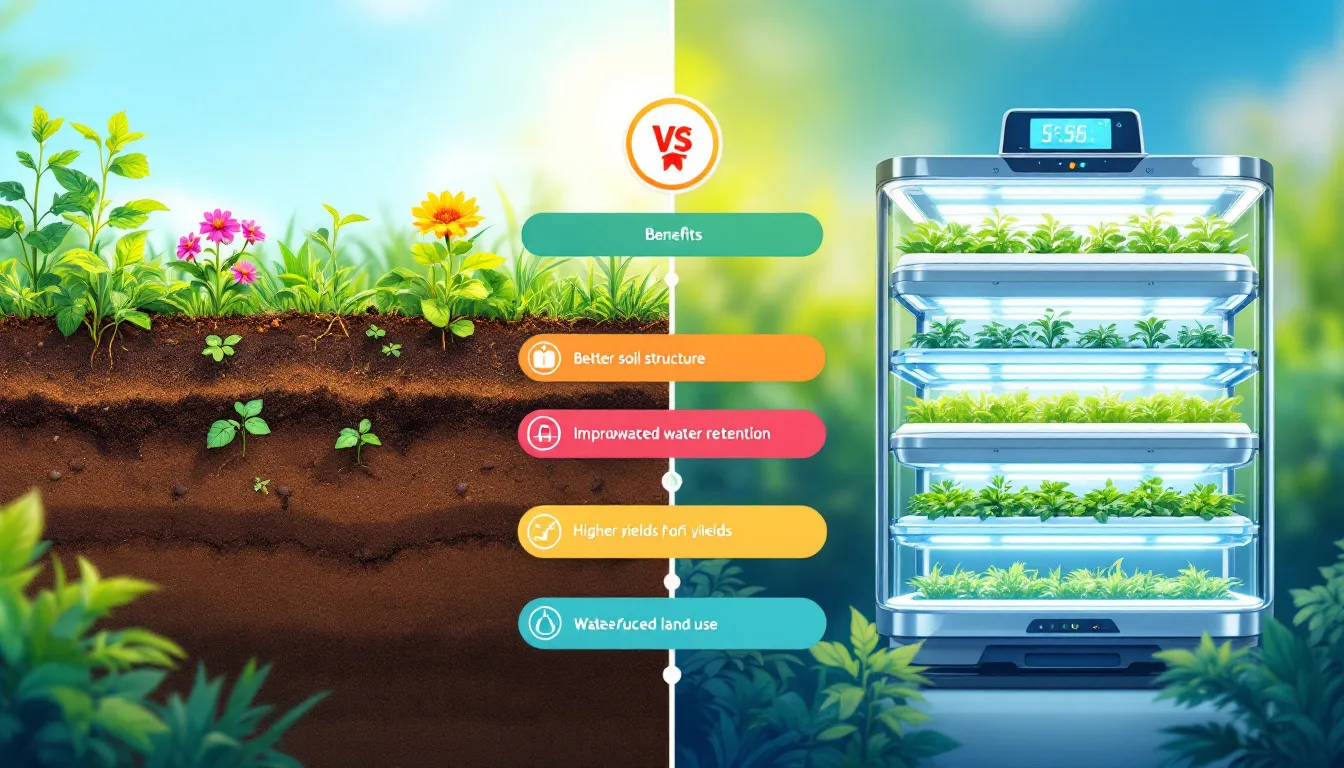
Gardening in soil, a long-established technique involving cultivating plants directly within the earth, has seen practice over countless generations. The soil offers crucial nutrients to cannabis, water retention, and stability to facilitate plant growth—a testament to its efficacy as a natural gardening medium. This approach depends on the intrinsic ecological processes of the soil that include microbial functions vital for increasing nutrient accessibility and bolstering plant health.
Measures such as irrigation systems, pesticide application, and fertilizer use often accompany conventional agricultural practices—all aimed at enhancing crop development and controlling pest populations. Although maintaining gardens in soil can be labor-intensive and subject to seasonal variations, it has benefits like organic nutrient recycling and a diverse ecosystem that supports strong plant health.
Soil Composition and Types
Soil composition is a vital element for achieving gardening triumph. Various soil types, including sandy, loam, and clay soils, each have distinct traits that impact the soil's drainage capabilities and fertility. Loam soil is optimal for nurturing plant growth because it maintains an excellent balance between retaining essential moisture and nutrients while ensuring proper drainage.
Grasping the intricacies of soil composition significantly impacts creating a conducive growing environment and bolstering plant vitality. Soil delivers a steadfast foundation for roots to develop effectively while facilitating natural processes essential in making nutrients accessible to plants. This synergy greatly enhances overall plant health as well as yield.

Benefits of Soil-Based Gardening
Gardening in soil offers numerous advantages that aid the growth of healthy plants. One of its main benefits is soil's inherent presence of nutrients. Rich in organic materials and minerals, soil offers essential nutrients for vigorous plant growth.
Soil encourages an array of microbial life, which is significant in recycling nutrients and promoting plant health. Beneficial microbes foster a vibrant ecosystem that bolsters plants’ strength and resilience, making this symbiotic relationship between flora and the microorganisms within traditional gardening practices highly helpful.
Efficiency and Yield Comparison
Hydroponic systems can be more efficient than soil gardening and produce 20-30% higher yields.
Hydroponics is a space-saving alternative that requires considerably less land than traditional methods, thereby more effectively using resources.
Growth Rates and Harvest Times
Hydroponically grown plants cultivated in hydroponic systems tend to mature more quickly. They can be harvested earlier than those grown in soil because they receive an ideal mix of water, nutrients, and oxygen. This reduces plant stress, allowing them to devote their energy solely to growth, leading to accelerated development and decreased time until harvest. It has been observed that plants raised hydroponically have a growth rate 30-50% faster than those planted in soil.
Cannabis plants in hydroponic systems typically complete their vegetative cycle in 18-40 days, followed by a 45-65 day flowering period, depending on the strain. The controlled environment allows continuous harvests throughout the year, significantly increasing annual yields compared to outdoor growing.
For other crops, harvest cycles vary considerably:
- Leafy greens like lettuce and spinach mature in 30-45 days
- Herbs such as basil and cilantro can be harvested multiple times, with initial harvest at 21–28 days
- Microgreens reach maturity in just 5-14 days
Expert Tip: Maintaining precise environmental controls in hydroponic systems can reduce these harvest times by 20–30% compared to traditional soil growing while enabling year-round cultivation regardless of outdoor conditions.
Yield Quality and Quantity
Crops grown using hydroponic techniques often yield a more nutrient-dense harvest, as the nutrient delivery is meticulously managed. This meticulous management can lead to more abundant fruits and vegetables in essential vitamins, minerals, and antioxidants than those cultivated conventionally.
Conversely, crops nurtured in soil receive advantages from the broad spectrum of nutrients found within organic matter present in the earth, which may bolster their quality overall. Despite hydroponics potentially offering more significant quantities of produce per harvest cycle, soil-based and hydroponic farming excel at producing high-quality yields with considerable output.
Water Usage and Resource Management

Hydroponics is exceptionally efficient regarding water consumption, consuming up to 98% less than conventional gardening practices that use soil.
This high-efficiency level stems from the system’s ability to recirculate water, which diminishes waste and enhances plant uptake of nutrients.
Water Conservation in Hydroponics
Utilizing a cutting-edge approach, hydroponics dramatically reduces the amount of water used by allowing plants to absorb precisely what is necessary for growth. This water conservation is possible through a recirculating system that continuously feeds nutrients into the reservoir, minimizing wastage and elevating efficiency well above traditional agricultural practices.
This method operates with minimal water loss, rendering it highly water-efficient. Automated adjustments to control pH levels and nutrient concentrations within the system maintain an ideal growing environment. Consequently, plants are consistently provided with adequate hydration and essential nutrients for their robust development.
Resource Requirements for Soil Gardening
Gardening in soil, a conventional method, involves substantial management of resources. Consider these critical factors:
- Consistent watering is crucial to keep the soil adequately moist.
- Specialized fertilizers might be needed to restore nutrients within the soil.
- Preparing the soil through processes such as tilling and adding amendments may be necessary to maintain an optimal environment where plants can thrive.
Concentrating on these areas will help ensure that your experience with gardening in soil yields positive results.
Healthy soil provides plants with necessary elements like air, water, and nutrients. Preserving this equilibrium demands constant attention and inputs. Expenses associated with fertilizers, pesticides, and soil enhancements accumulate over time, underscoring how resource-intensive traditional gardening practices are.
Pest and Disease Control
Hydroponic systems present a considerable benefit for gardeners when managing pests and diseases. Since these systems do not use soil, pests and diseases are considerably lessened, resulting in more robust plants.
The decrease in pest-related problems is a key factor contributing to the growing popularity of hydroponics among gardeners.
Reduced Pests in Hydroponics
Hydroponic systems, which operate without soil, substantially reduce the risks associated with pests and diseases. Plants grown hydroponically tend to be less susceptible to pest infestations, thus experiencing fewer problems related to pests than those grown in soil. Within these systems, indoor insect pests such as thrips, spider mites, aphids, and whiteflies can occur. Nevertheless, they are typically more manageable than their soil counterparts.
Specifically designed container farms that employ hydroponics demonstrate an enhanced resistance against pest invasions—this attribute considerably helps curb potential pest issues. This aspect of hydroponic farming is particularly advantageous for commercial growers looking for methods to tackle challenges posed by pests in their gardening endeavors efficiently.
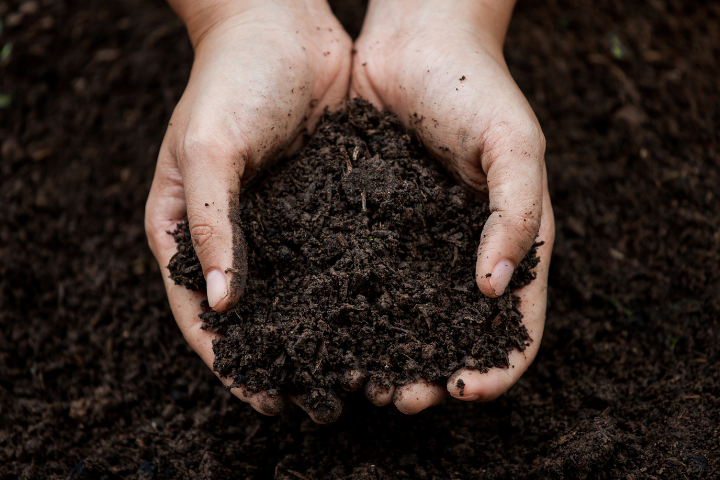
Common Soil-Borne Diseases
Gardening in soil environments is susceptible to several ailments that can gravely affect the well-being of plants. Critical diseases originating from the soil include:
- Root rot, resulting from fungal infestations, leads to the deterioration of plant roots.
- Damping off, impacting young seedlings and clones, and making them keel over.
- Fusarium wilt, which may cause plants to droop and leaves to take on a yellow hue.
Recognizing these afflictions allows gardeners to implement protective actions to safeguard their plants.
These disorders can diminish plants' robustness and result in substantial agricultural losses if left unchecked. To proactively manage such soil-borne illnesses, practices like rotating crops, enhancing soil water flow, and selecting varieties of plants with resistance against disease are recommended strategies.
Environmental Impact
Modern gardeners are increasingly mindful of the environmental consequences of different gardening practices. Hydroponic systems contribute positively to the environment by fostering the growth of nutrient-dense crops, enhancing food security, and mitigating the deterioration of topsoil.
Such systems prioritize efficient utilization of resources while striving to curtail their ecological footprint.
Sustainability of Hydroponic Farming
Hydroponic systems foster an eco-friendly approach to agriculture by circumventing harmful chemicals and utilizing fewer resources. These systems typically eschew chemical fertilizers and pesticides, reducing contamination risks associated with conventional agricultural methods.
Hydroponic farming also contributes to sustainability by preventing soil erosion and nutrient loss. It embodies resource efficiency and environmentally conscious practices that are advantageous for ecological preservation and public health. As such, hydroponics represents a progressive alternative to contemporary farming techniques.
Initial Investment and Maintenance Costs
For numerous gardeners, the financial aspect of establishing and maintaining a garden is vital. Typically, initiating a hydroponic setup requires more capital upfront than conventional gardening in soil because it necessitates specific apparatus.
Nevertheless, they can validate the initial outlay over time, considering hydroponic systems' sustained advantages and productivity gains.
Cost of Hydroponic Systems
The cost of initiating a hydroponic system typically falls between 400 and 800 US dollars, varying with the system’s scale and complexity. LED grow lights, vital for these systems, can be priced anywhere from $700 to $1,200 USD. Nutrient solutions, essential for optimal plant growth in hydroponics, usually cost between $10 and $20 USD.
Though upfront expenses may be substantial, hydroponic systems are designed for longevity. They can last many years, making them a long-term economic choice. The increased productivity and efficiency gains typical of hydroponic growing methods, which result in higher yields, tend to balance the ongoing operational costs, including energy consumption by grow lights.
Expenses in Soil Gardening
The financial requirements of soil gardening include outlays for equipment such as shovels, hoes, and rakes. Superior soil and compost are essential to promote vigorous plant growth, and the expense of this depends on both quality and quantity. It would be best to account for recurrent costs associated with supplements like fertilizers and mulch, vital for sustaining soil fertility.
Seeds, plant stakes, pest control products, and irrigation systems add to the regular upkeep costs of garden management. Labor expenses, too, can fluctuate considerably depending on whether help is needed for activities such as planting or weed removal—not to mention harvesting produce when it matures. The time devoted to maintenance endeavors also contributes significantly to the overall cost of cultivating a garden within the soil.
Flexibility and Adaptability
Adaptability and flexibility are crucial when selecting a gardening method. Hydroponic systems facilitate plant growth in locations where conventional soil-based gardening, like indoor settings or urban areas, might be impractical.
The versatility of these systems supports a wide variety of plants, allowing them to flourish under different circumstances.
Climate Adaptability of Hydroponics
Hydroponic systems flourish in controlled environments unhindered by seasonal variations or outside weather patterns. Their resilience renders hydroponic cultivation a more sustainable and effective farming method, capable of being implemented across different climatic regions. They enable the growth of plants in areas where conventional soil-based gardening would otherwise be untenable due to harsh climates.
Utilizing hydroponics empowers growers to cultivate crops typically associated with cold weather within tropical locales and those accustomed to warmer conditions in tundra-like environments. This ability extends the capacity for cultivating an extensive array of plants continuously throughout the year, irrespective of natural seasonal shifts.
Seasonal Constraints in Soil Gardening
The varying seasons limit planting and harvesting times, which significantly impacts soil gardening. These seasonal constraints may result in lower crop yields and prolong the period between sowing seeds and gathering produce, making it difficult to maintain a steady output.
Soil gardeners can employ strategies such as utilizing greenhouses or implementing crop rotation to mitigate these issues caused by seasonal weather conditions. Yet, even with these techniques in place, they are not entirely capable of overcoming the limitations brought about by changes in weather throughout the year.
Nutrient Management
Nutrient management is critical to both hydroponics and soil gardening. Hydroponics uses liquid nutrient solutions to precisely control nutrient delivery, while soil gardening relies on natural nutrient cycling and organic matter for essential nutrients.
Precision Nutrient Delivery in Hydroponics
Optimal plant health in hydroponics is achieved through careful nutrient management, which includes monitoring electrical conductivity, pH levels, and nutrient concentration ratios. Automated systems that handle pH balancing and nutrient injection maintain ideal growing conditions.
When nutrients are delivered precisely in a hydroponic setup, plants are given controlled growth environments, leading to healthier development and enhanced yields. Such accuracy proves especially advantageous for crops such as medical cannabis, which thrive under particular nutrient regimens essential for optimal growth.
Natural Nutrient Cycling in Soil
Organic matter and microbial activity naturally cycle nutrients in soil gardening, aiding in the breakdown of these substances by soil bacteria and fungi for plant absorption. This interaction between plants and soil microbes bolsters nutrient accessibility, fostering vigorous plant growth.
The intrinsic fertility of soils abundant in organic matter typically lessens the need for extra fertilization. Soil-dwelling beneficial organisms, such as mycorrhizal fungi, enhance this effect by boosting nutrient uptake efficiency and strengthening plant endurance, contributing to a self-sustaining environment for growing plants.
Taste and Nutritional Value
Gardeners and consumers prioritize both flavor and nutrition when it comes to crops. Hydroponic produce is often considered tasty or even tastier than that grown in soil by many, owing to the exact management of nutrients. The perceived taste quality of crops from hydroponics and traditional soil cultivation can be influenced substantially by elements such as the type of crop variety, how they are handled after harvest, and individual taste preferences.
Flavor Profiles in Hydroponic Crops
Hydroponic systems administer vital minerals and elements straight to the roots of plants through nutrient solutions. This precise management of plant nutrition can improve the flavor profile of hydroponic crops, resulting in a more intense taste.
Plants cultivated hydroponically typically display unique flavor attributes that may excel compared to their soil-grown counterparts. For example, hydroponic tomatoes benefit from regulated nutrient solutions that contribute to a robust and uniform taste experience.
Nutrient Density in Soil-Grown Plants
The concentration of essential nutrients within plants cultivated in the soil is defined as nutrient density, and it significantly affects the health and nutritional benefits these plants provide to those who consume them. The soil's content of organic substances and minerals is a critical factor in determining how many nutrients are available to the plants.
Natural nutrient cycling processes in the soil promote plant growth. These include microbial actions and the breakdown of organic materials, which increase accessibility to vital nutrients. When individuals partake in produce rich in nutrients from well-nourished soils, they often experience enhanced health thanks to higher concentrations of vitamins, minerals, and antioxidants present in their diets.
Current Trends in Living Soil Cultivation
Sustainable Practices
Modern cannabis cultivators are increasingly adopting living soil techniques to reduce their environmental impact.
This approach not only enhances flavor profiles but also:
- Reduces water consumption
- Eliminates synthetic nutrition requirements
- Minimizes waste through soil recycling
- Improves overall plant resilience
Quality Metrics
Recent studies indicate that living soil cultivation can produce cannabis with:
- Higher terpene concentrations
- Superior resin content
- Better overall flavor
Hydroponics in Modern Agriculture
Hydroponics is playing an increasingly important role in modern agriculture. With the global population projected to reach 9.7 billion by 2050, finding sustainable and efficient ways to produce food is becoming a major challenge. Hydroponic systems offer a solution to this problem by providing a controlled environment for plant growth, which can increase crop yields and reduce water usage.
These systems can grow various crops, including fruits, vegetables, and grains. They are particularly beneficial in areas where traditional farming is impossible due to poor soil quality or lack of water. Hydroponics helps ensure food security and supports sustainable agricultural practices by enabling plant growth in such challenging conditions. This makes hydroponics an attractive option for farmers with limited resources, contributing to a more resilient and adaptable agricultural system.
Getting Started with Hydroponics
Getting started with hydroponics can seem overwhelming, but it doesn’t have to be. Here are some steps to follow to get started:
- Research Different Hydroponic Systems: Explore hydroponic systems such as Deep Water Culture, Nutrient Film Technique, Ebb and Flow, and drip irrigation to determine which best suits your needs.
- Purchase Necessary Equipment and Supplies: To ensure a successful setup, acquire a hydroponic system, nutrient solutions, seeds, and other essential supplies.
- Set Up Your Hydroponic System: Assemble your system according to the instructions, ensuring all components are correctly installed and functioning.
- Plant Your Seeds: Sow your seeds in the growing medium and provide them with the necessary nutrients and care. Follow guidelines for optimal plant growth.
- Monitor and Adjust: Regularly check your plants and the system, making adjustments as necessary to maintain ideal growing conditions. This includes monitoring pH levels, nutrient concentrations, and environmental factors.
By following these steps, you can establish a thriving hydroponic garden and enjoy the benefits of this innovative growing method.
Accessibility and Automation Options
Hydroponic systems can be designed to be accessible and automated, making monitoring and controlling plant growth easy. Some common accessibility and automation options include:
- Remote Monitoring: Many hydroponic systems can be monitored remotely using a smartphone or computer, allowing you to check on your plants from anywhere. This feature provides convenience and peace of mind.
- Automated Nutrient Delivery: Some hydroponic systems can be programmed to deliver nutrients to your plants automatically, ensuring they receive the right amount of nutrients at the right time. This precision helps maintain optimal plant health.
- Automated pH Control: Systems with automated pH control can adjust the pH of the nutrient solution, keeping it within the optimal range for plant growth. This reduces the need for manual adjustments and ensures consistent conditions.
- Automated Temperature Control: Temperature control systems can regulate the growing environment, maintaining the ideal temperature for plant growth. This is particularly useful in indoor and climate-controlled setups.
These accessibility and automation options make hydroponic systems user-friendly and efficient, allowing growers to focus on nurturing healthy plants and achieving high yields.
Summary
To summarize, each approach to gardening, be it hydroponic or soil-based, presents its own distinct set of pros and cons. Hydroponics is notable for its water-saving prowess, accelerated plant growth rates, and lower incidence of pest problems. Hence, it is an efficient and eco-friendly choice for contemporary horticulture.
Conversely, traditional soil cultivation has the advantage of natural nutrient recycling processes and harbors a rich ecosystem that significantly bolsters plant health.
Both strategies can yield premium crops depending on what best aligns with the gardener’s unique requirements and inclinations. A thorough comprehension of their benefits and limitations empowers gardeners to make well-judged choices in nurturing flourishing gardens.
Frequently Asked Questions
What are the main advantages of hydroponics over soil gardening?
Hydroponics provides higher yields, faster growth rates, better water efficiency, and fewer pest problems than soil gardening. Hydroponics delivers nutrients directly through water solutions, while soil relies on natural nutrients cycling through organic matter and beneficial microorganisms. Hydroponic systems typically yield 20-30% faster growth rates and use up to 90% less water, while soil provides a more forgiving, natural environment.
How does hydroponics conserve water compared to traditional soil gardening?
Hydroponics conserves water effectively by using a recirculating nutrient reservoir, saving up to 98% more water than traditional soil gardening.
This efficiency ensures that water is utilized more sustainably in growing plants.
What are the initial costs of setting up a hydroponic system?
Setting up a hydroponic system often costs between $200 and $800, excluding the additional costs for LED grow lights and nutrient solutions.
To guarantee efficient system functioning, allocating funds for all indispensable components is essential.
How does soil gardening support plant health naturally?
Gardening in soil naturally promotes plant health by encouraging the recycling of nutrients, decomposition of organic matter, and stimulation of microbial activity. This combination cultivates a dynamic ecosystem that benefits plant growth.


