


If you want to start a cannabis grow but don’t want to spend big money on a grow tent, have you considered using a closet? This could be a perfect growing space for you if you have a closet or cupboard you can spare. Of course, you will need to do some things before getting started, but this article will look at how to grow cannabis in a closet step by step. You’ll begin by selecting your ideal space to grow in, then choosing the right equipment, from high-quality essential tools to suitable lights. Then you’ll learn how to control your climate, which tends to be a little easier to manage in some cases. Finally, learn to show your plants plenty of tenderness, love, and care.
Selecting The Ideal Space: Setting Up Your Closet For Cannabis Cultivation
When selecting a grow space, there are a few things growers want to consider. One is, what is the outcome that you want from each grow? For most, it’s to have a basic unlimited supply. For others, it’s to have control over the quality of their smoke. Others will do it for therapy. Think about why you want to grow, first and foremost.
The next consideration is space. A closet can be beneficial because your growing environment will be more controlled since it's tied closely to your home’s environment. So, if you’re lucky enough to be in that scenario, you’ll have more space to work with if the closet you choose has limited space. So, make sure you pick out the necessary equipment.
The next consideration is the closet's setup. Your growing style will affect how you prepare your closet. A closet grow requires airflow and filtration to prevent stagnation. If you can work it, the filtration can be filtered into a prefilter, leading into a second filter box in your attic. If you can’t achieve this, you can put an air filter on the door (you may need to get a door with a venting face) or have an air purifier with an active carbon filter on the intake. Finally, ensure you have proper anchor points for the grow lights to hang onto.
Choosing The Right Equipment: Essential Tools For Your Closet Cannabis Garden
Depending on your growing style, you may require additional equipment to grow cannabis successfully in a closet. Consider whether you’d like to use hydroponics, or pots of soil as your growing medium. Each of these will have its own set of challenges when it comes to the layout of your closet. Most who do closet growing will use either soil (organic) or coco with liquid nutrients. Others have neat and nicely compact hydroponic systems that don’t occupy much room. Experienced indoor growers will already be familiar with many of these concepts.


In a closet grow, your environment will be largely similar to your home’s environment. This means if you run your home at a steady 72° F (22.2° C), you’ll have an easier time maintaining a 3°-5° differential for your temperature. If your walls aren’t insulated, and the closet is near the home's exterior, this could be a factor in possible fluctuations, so covering with insulation boards may be something to consider.
Another consideration is having a fresh air current going through the closet. This can be achieved in multiple ways and applied to different shapes and sizes of closets. If the closet is big enough, you can install an oscillating fan. Oscillating fans work well even in smaller spaces. With a little ingenuity, you can hang it on the wall or even put it on a small shelf to blow the air around that way.
Proper ventilation is another thing to consider. This can tie into the closet’s airflow as well. Even if you’re not worried about the smell, you still need a level of ventilation to help prevent stagnant air and even prevent things from the outside of your grow from getting in. If you do have to worry about the smell and have the capability to do this, creating a double filtration box may be a fun thing to build. You essentially have the exhausted air go to a box with an active carbon filter connecting to the exhaust hose. That exhausted air goes through another set of active carbon filters on the box's walls. This solution may not be perfect, but it works well.

You’ll also have to filter the incoming air. Some closet growers alter the door on the closet to hold a filter to filter out the things they don’t want, such as fungus and mold.
Another key aspect is pest management control - preventing specific bugs from entering your growing space. Insulation foam strips are great for this to place around the door frame, as they help prevent larger things that are on the outside from getting in through the door frame. As for the bottom of the door, you can get draft stoppers for them which will also help keep things from crawling in underneath the door. Doing this will also help to ensure that your environment stays steady.
Finally, let's consider lighting. This is probably the most important and expensive part of your closet grow, and it helps to know the area of the closet when you choose a light. If you have a closet that is 3’x4’ (91.5cm x 122cm), avoid selecting a light intended for a 5’x5’ (152.4cm x 152.4cm) area, as you could end up fighting power and heat at that point. At the same time, avoid choosing a light that will only light 2’x2’ (61cm x 61cm), as you’ll be unable to maximize your space. Since most closets aren’t a perfect square, it’s okay to get one that may go slightly over the area of the closet space. LED grow lights will give you the necessary lighting without the excess heat of a HPS (high-pressure sodium) light in a confined space.
Maintaining Optimal Climate Conditions: Balancing Temperature And Humidity
The best thing about a closet grow is how your home environment will help you out quite a bit if you keep a constant, steady temperature in your house. This has the advantage of eliminating the need for expensive equipment to try and keep a room warmer or cooler. The only caveat is that if your home doesn't hold a consistent temperature in each room surrounding the closet, you may need to insulate with foam boarding. Many growers will insulate them anyway to prevent moisture from soaking into the walls of the actual house.
You may still need to heat the room occasionally, and the best way to do that is to get a small space heater or an oil heater. Often, that’s all you’ll need to maintain in cold temperatures. If you need to cool the room but don’t want to spend a lot of money on a single-room AC, you can set up your ventilation which will bring air in from the bottom but exhale the air out of the top of the closet. This won’t bring the temperature down a lot but can bring it down a few degrees.
Controlling The Humidity In A Closet Grow
Adding some insulation around the walls can help you keep the humidity in check. It’s important to maintain a higher relative humidity (RH) for the seedling stage – over 70% humidity is normal at this stage. Once you have hit the vegetative phase, set your closet’s RH to 60-65%, or even lower. This will help eliminate the risk of the closet walls dripping with condensation. Most molds (especially White Powdery Mildew and fungi harmful to a cannabis plant can’t survive too long in that environment. With the RH set that way, you only need to focus on the temperature of the closet.
If you’re having issues with having too low of an RH, you can get a decent humidifier or build a swamp humidifier. Have it set on a device that will turn it off once it reaches the desired RH, and you’ll have a more consistent environment in both RH and temperature. If you are fighting high humidity, depending on the situation, a small dehumidifier is a perfect option (mainly for small amounts of correction), but if you need a decent amount of dehumidification, you may need to spend a little more on a larger dehumidifier. One thing to remember is that the lower the RH, the lower the temperature.
Nurturing Your Plants: Care Tips and Techniques for Thriving Cannabis in a Closet
Of course, we have to talk about the plants themselves. Begin by picking good genetics – in other words, the right cannabis seeds. Genetics that you know are stable and have a good reputation. Good genetics will go a long way in shaping how easy or difficult your grow will be. A known genetic and strain - whether autoflowering or photoperiod, indica, sativa, or hybrid - will also give you an idea of how that plant grows. Autoflowering strains can be helpful to the cannabis grower cultivating in a closet as they’re typically much shorter, so keep that in mind when choosing cannabis strains.
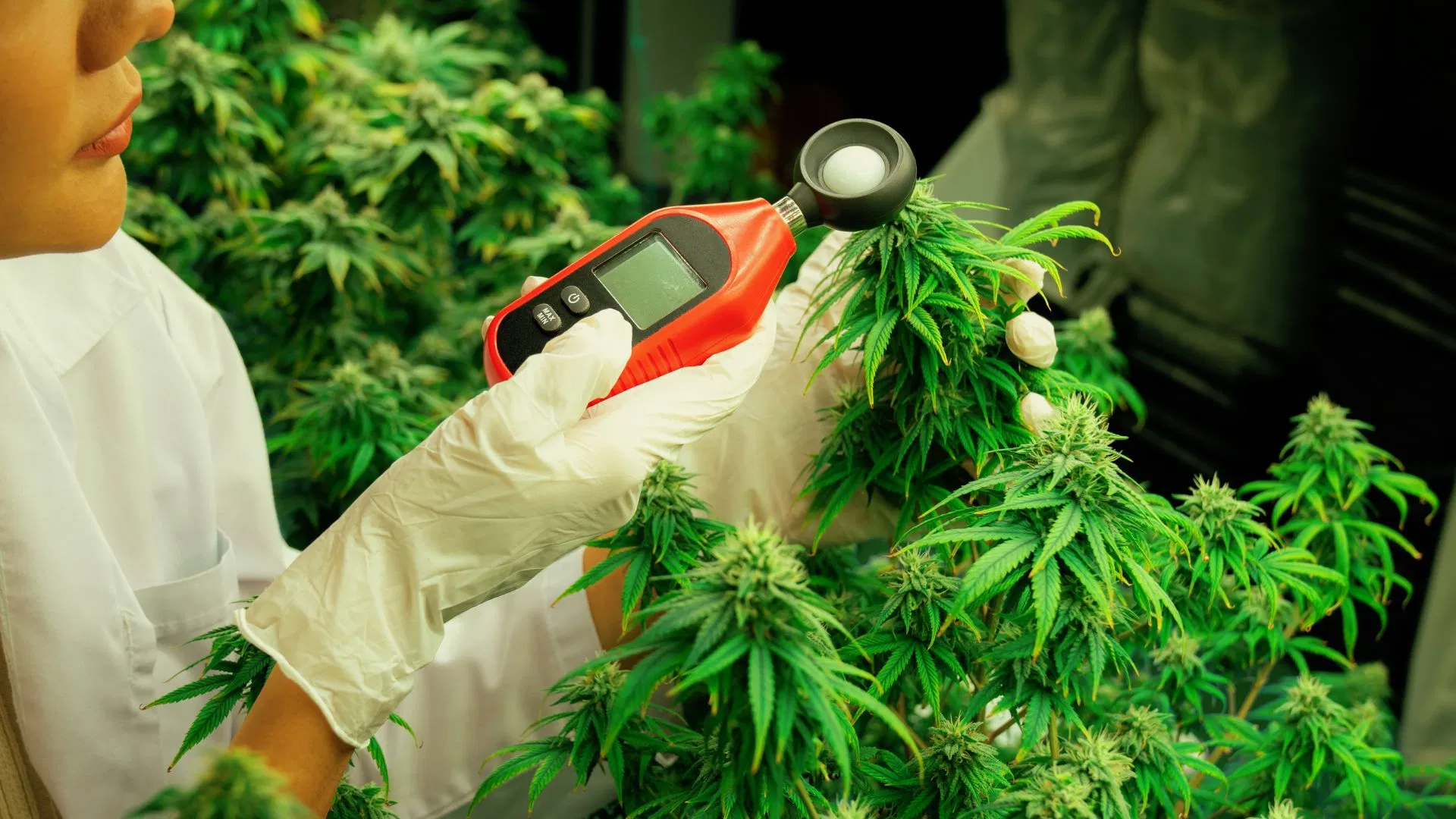
When caring for your plant, the care should be simple if the closet is adequately insulated. Depending on the system you are running, ensure you’re not overwatering and the plants aren’t too hot or cold. Look your plants over at least once a day. Check the leaves for any signs of nutrient deficiencies and evidence of insect activity. Doing this will help prevent something terrible from happening suddenly, allowing you to fix the issue before it becomes a significant problem. Sometimes spraying the leaves with some plant food or compost tea will further perk the plant up. Make sure you're defoliating so that there is enough air movement through the branches.
Plant Training Techniques
Other techniques that will help you maximize your plant include proper training to control shape and size in your smaller space. There are two major technical categories: High-stress training (HST) and low-stress training (LST). For those less experienced, some good low-stress training is more than enough. LST involves manipulating the plant without causing and limiting physical harm to the plant. Some do this using bonsai or plant wire, wrapping it around the branches, and manipulating them to grow in a specific direction. Another method of LST is the use of trellis nets. People will hang the net horizontally, allowing the plant to grow to the net. They will either bend the central stalk over and keep the branches under the net or top the plant to a particular node and tuck the branches under the net as the remaining branches grow.
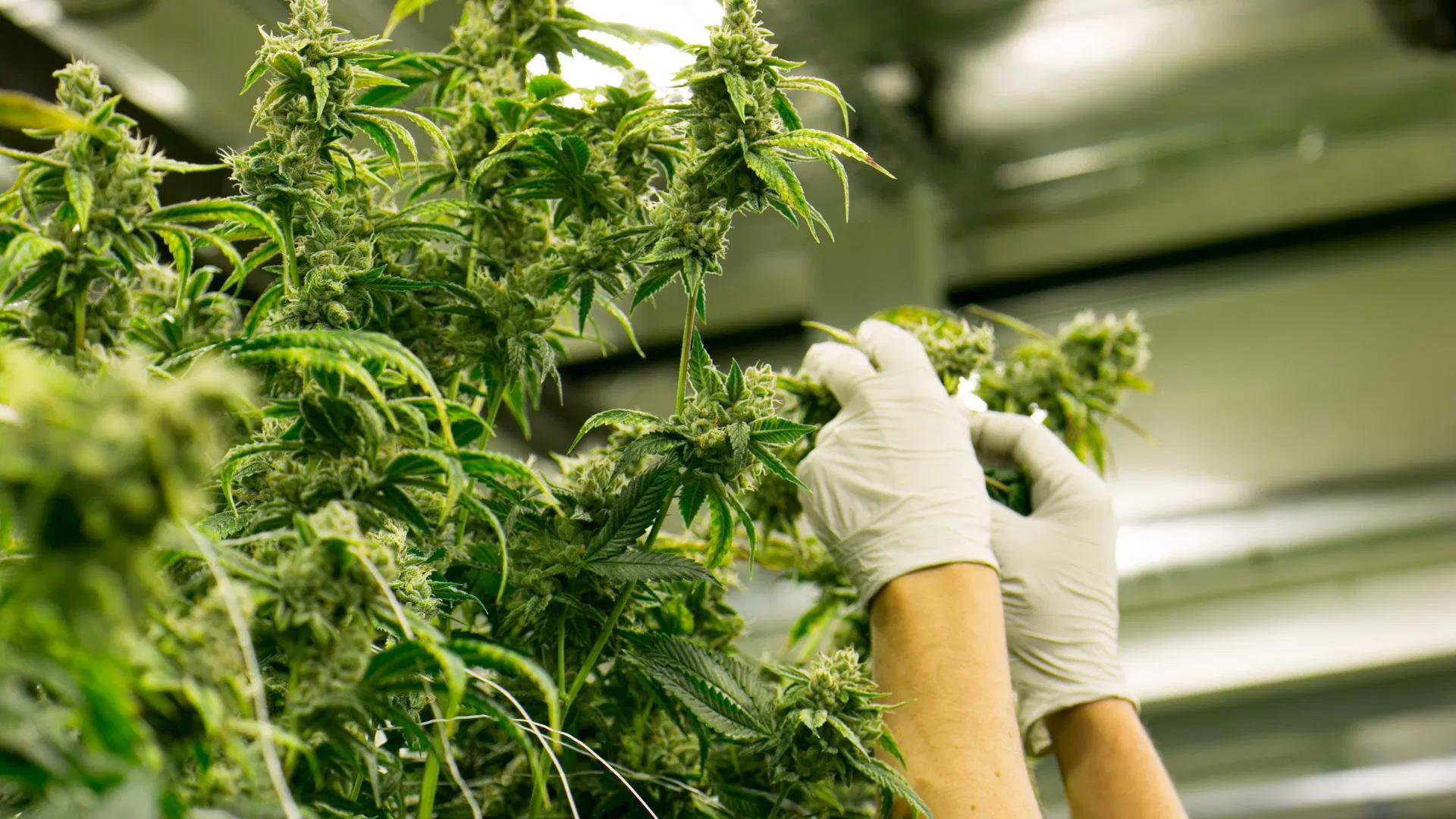
As people become more comfortable, they will also start doing HST. Most begin with a simple top (cutting the dominant apical top off the plant). This causes the remaining lower branches to become apical branches. There’s also a technique known as a manifold, where you let the plant grow to the 5th or 6th node and cut down to the second node. You will then defoliate all the bottom leaves, leaving only 2-4 fan leaves at the top of each branch. Then, bend each branch horizontally, creating a flat, four-way-looking cross. This is also generally paired with a trellis net to keep a more horizontal plane.
There are many other ways to LST, such as super cropping (causing damage to the inside tissue of young branches, making nodes that store nutrients) or lollipopping (when you are ready to flip into the flowering stage, you defoliate the bottom leaves, leaving only the top 2-4 fan leaves (or top one or two nodes), allowing for more focus on flower development. When doing HST, give your plant at least two weeks of recovery before doing another round of training. This way, you don’t overstress the plant, causing further issues.
Why Grow In A Closet?
If you’re looking to grow cannabis, but don’t want to spend time and money on using a grow tent, a grow closet may be the best thing for you. They often have a good amount of room, are easy to set up, and require less equipment. This will add a degree of ease to keeping your climate under control and your space well-maintained. Growing cannabis in your closet can make for an easier time, not only in the care of the plants but also when using other techniques that will increase yield. Don’t be afraid to turn that unused closet into your mini grow room. It just might be the thing to get you started.