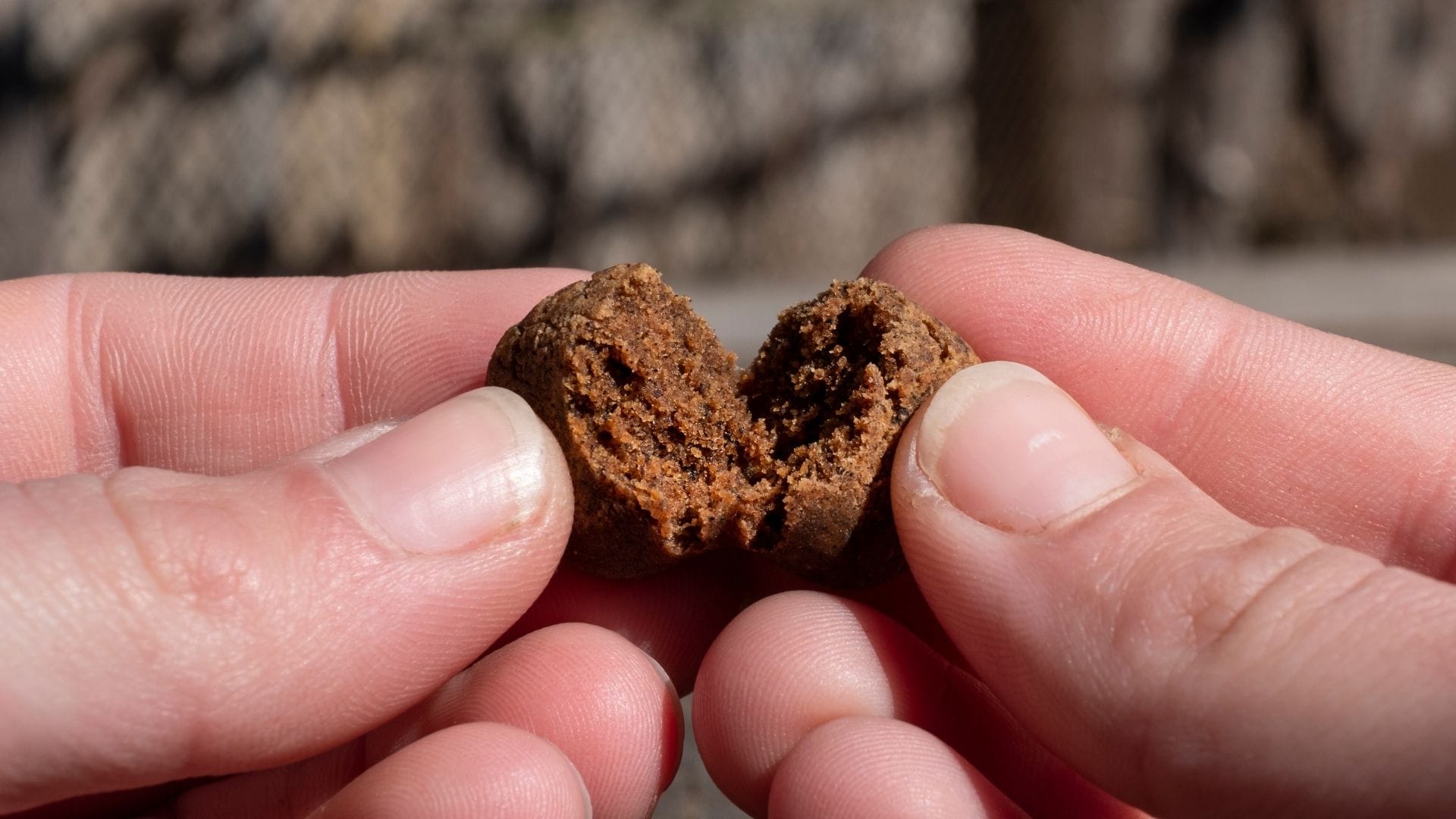
For generations, hashish, often simply referred to as hash, has been a sought-after solventless concentrate, weaving its narrative through the corridors of time from the ancient lands of India and Nepal to the bustling modern dispensaries. Derived from cannabis plants without the use of solvents, hash represents the essence of the plant in a concentrated form, capturing not only the cannabinoids but also the aromatic terpenes. By using a grinder or other methods to isolate trichomes, the small resin glands containing cannabinoids, producers can obtain a product rich in THC, CBD, and other coveted cannabinoids. This article endeavors to offer a step-by-step journey into creating your own hash, emphasizing sieving and the bubble hash aka ice hash methods.
Why Hash Triumphs Over Traditional Cannabis Flower
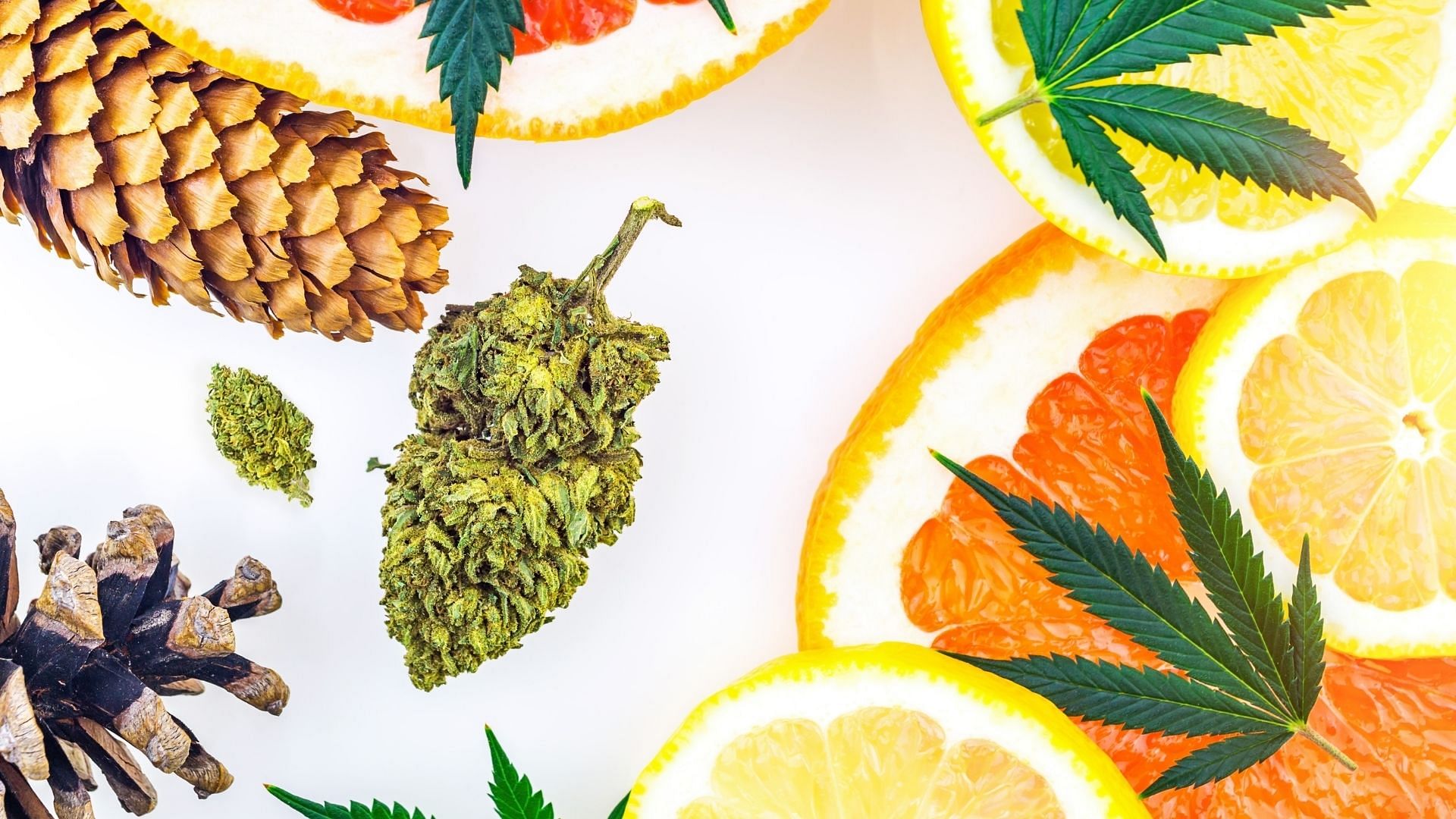
The beauty of concentrates like hashish lies in their ability to deliver a high density of cannabinoids. With trichomes being the epicenter of THC and CBD, hash ensures a robust experience with even minute amounts. This concentration step also can elevate flavor and aroma. Terpenes, partly responsible for the aroma and flavor of cannabis, can be plentiful in hash if prepared in the correct way. This provides a more sophisticated and richer flavor palette, tantalizing the senses sometimes more than the average cannabis flower.
Hash also has a diverse application range. Whether you're a bong aficionado, edibles gourmet, or a traditionalist who smokes, hash's versatility shines. It often has a soft texture, especially when slightly warmed, and therefore fits seamlessly into a plethora of consumption methods. This versatility is particularly useful for easy storage, and therefore ease of use in almost any situation. This also factors into hashish’s extended longevity. Cannabis concentrates, especially in the form of hash, retain their vibrancy and potency longer than loose cannabis buds, ensuring freshness over time, especially if stored correctly.
Finally, hash offers a very consistent product. Unlike dry flower which can vary bud to bud, hash tends to be uniform and true to itself however it is divided. This unique property could even be argued for hash as a medical product over dry flower, simply because it delivers the same dose on each consumption, assuming it’s weighed and cut to the same size.
Hash Consumption: An Evergreen Ritual Through The Generations
Starting with the origins of hash, its history can be traced back to ancient civilizations where it was revered for both its medicinal and mystical properties. One of the purest expressions of this tradition is found in the preparation and consumption of charas in India. In the picturesque landscapes of regions like the Parvati Valley, the ritual of making charas involves rubbing cannabis plants between hands, allowing harvesting of the resinous trichomes as they stick to the skin, and then rolling them into balls or sticks. This labor-intensive method speaks volumes about the reverence held for the plant, where the touch of a human hand is an essential part of the process.
Charas, distinct in its texture and potency, holds a special place in Indian culture. Consumed by wandering ascetics known as Sadhus, it is believed to aid in meditation and spiritual practices. But it's not just the Sadhus; for many locals, charas is a part of daily life, an homage to age-old traditions and a testament to the enduring bond between man and cannabis.
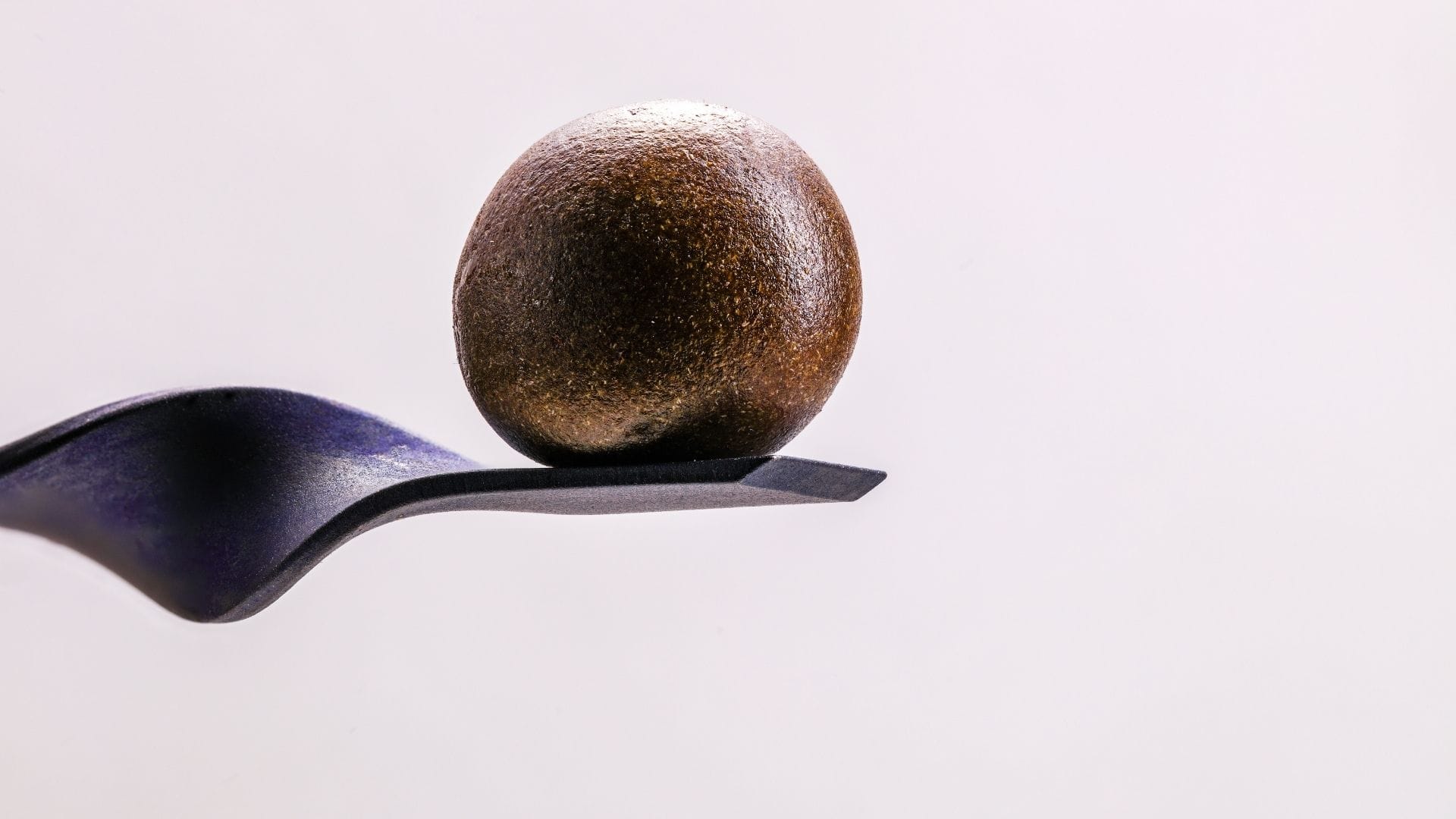
Interestingly the making of charas can be linked to the type of genetics grown. For example, in mixed sex populations, the plants tend to be seeded, rendering it less useful in dried flower format. Furthermore, in some regions, especially high in altitude, the bud structure is not useful for dried flower, and instead the best way to maximise the cannabinoid yield is to strip it from the plant and collect it together, into for example, the world-famous Nepalese temple ball.
Further west, the narrative of hash takes on different hues but retains its central theme of cultural significance. In regions of the Middle East and North Africa, hash has been an integral part of social rituals. Whether it's the shared puff from a hookah in an ancient Persian city or the ceremonious preparation of Majoun (a hash-infused sweet) in Morocco, these practices are embedded in the fabric of their respective societies.
Why Use Hash?
One might wonder, what makes hash consumption such a universally sacred ritual across cultures? Hash represents a concentrated essence of the cannabis plant. Modern society, with its rapid advances, often looks back to traditional practices for grounding and connection. As a result, even today, many cannabis connoisseurs prefer hash over other forms of the plant. The reasons are plentiful as some seek the unique potency and flavor profile that only hash offers, while others find solace in the ritualistic aspects of its consumption.
Furthermore, the recent resurgence of interest in cannabis, spurred by global legalization movements, has further propelled an exploration into traditional consumption methods. Many are rediscovering the magic of hash, leading to a renaissance of sorts. Today's world sees a blend of traditional hash-making techniques harmoniously co-existing with modern extraction methods. This juxtaposition serves as a beautiful reminder of cannabis's timeless appeal and its adaptability across eras. The ritual of consuming hash offers just that—a bridge to the past, a moment in the present, and a promise for the future.
Mastering Hash-Making Techniques At Home
Sieving Method or Dry Sift:
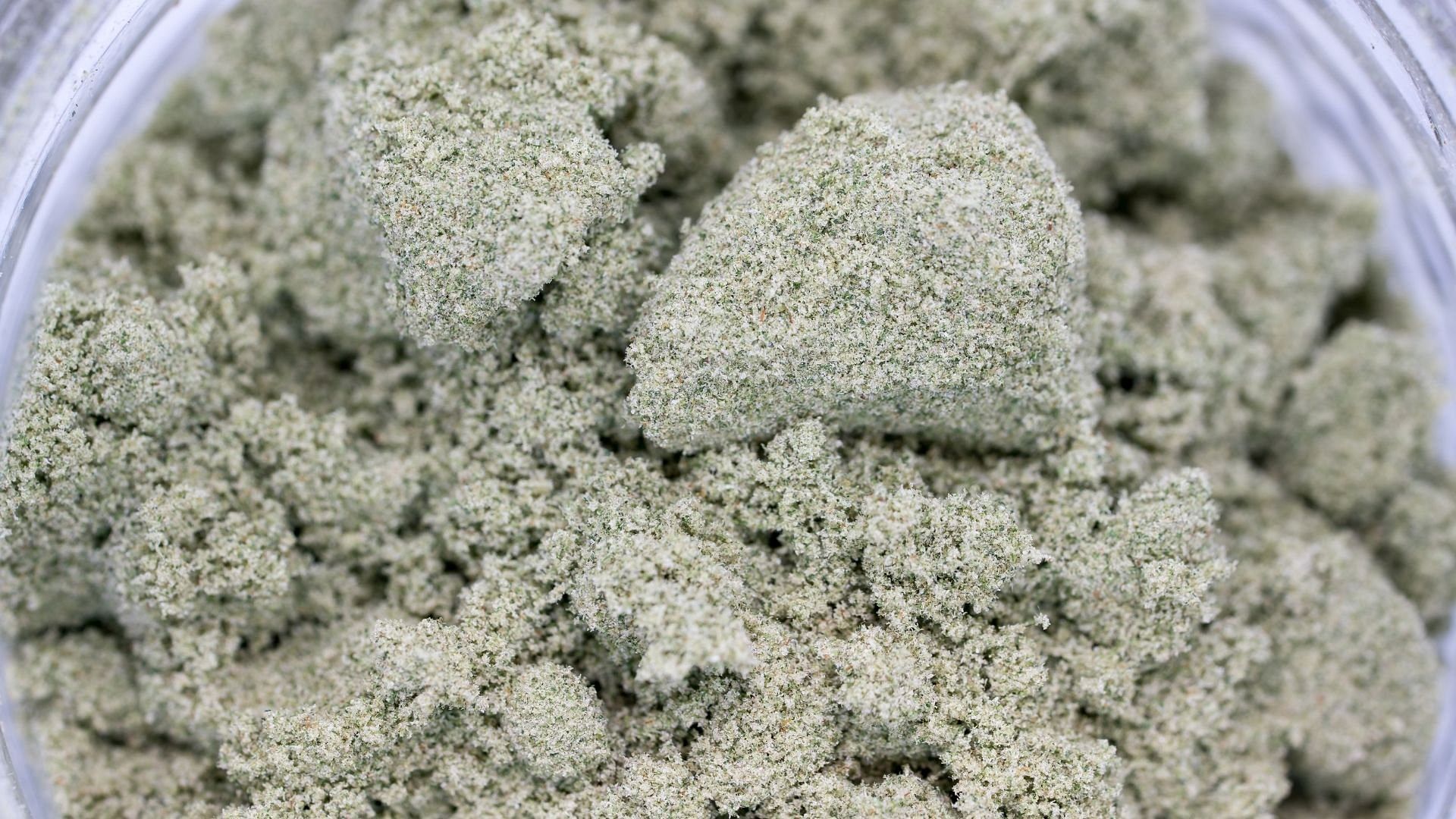
The art of sieving stands as a testament to the age-old traditions intertwined with hashish production. With roots that may date back as far as the history of hashish itself, the sieving method primarily focuses on the delicate nature of trichomes. These trichomes, often referred to as kief when collected in their raw, powdered form, are especially brittle when subjected to cold temperatures. The introduction of extreme cold, achieved through methods such as utilizing dry ice, further accentuates this brittleness. By using screens to separate these fine trichomes, or kief, from the rest of the plant material, one can collect a pure, potent substance. When this kief is further processed and compressed, it forms the basis of many hash products. The sieving or dry sift method, thus, serves as an efficient and traditional way to harness the pure essence of the cannabis plant.
Materials:
- Cannabis material (preferably dry and cured)
- Silkscreen or mesh screen (around 75-150-micron is ideal)
- Clean, flat working surface
- A scraper (old credit card can work)
Procedure:
1. Preparation: Place your cannabis material in a freezer for several hours. This ensures trichomes become brittle.
2. Sieving: On your clean surface, spread out your silkscreen. Gradually add cannabis material and, with gentle circular strokes, agitate the plant matter on the screen. This activity separates the kief, or trichome heads, from the plant.
3. Collection: Once done, gather the fallen trichomes using your credit card. This fine, sandy material is your dry sift, which you can press using a pollen press to create your own hash.
Bubble Bag or Ice Water Hash Method:
This technique employs cold water, ice, and mesh bags to isolate trichomes. The method can be time-consuming but often results in quality hash.
Materials:
- Cannabis plant material
- A set of bubble bags with varying micron mesh sizes
- Large bucket
- Ice and water
Procedure:
1. Preparation: Mix cannabis material, ice water, and more ice in the bucket. This cold environment detaches the trichomes.
2. Agitation: Vigorously stir the mixture for about 20 minutes to separate trichomes from the plant material.
3. Filtering: Sequentially layer your bubble bags in the bucket, starting from the smallest micron and ending with the largest. Pour the mixture through.
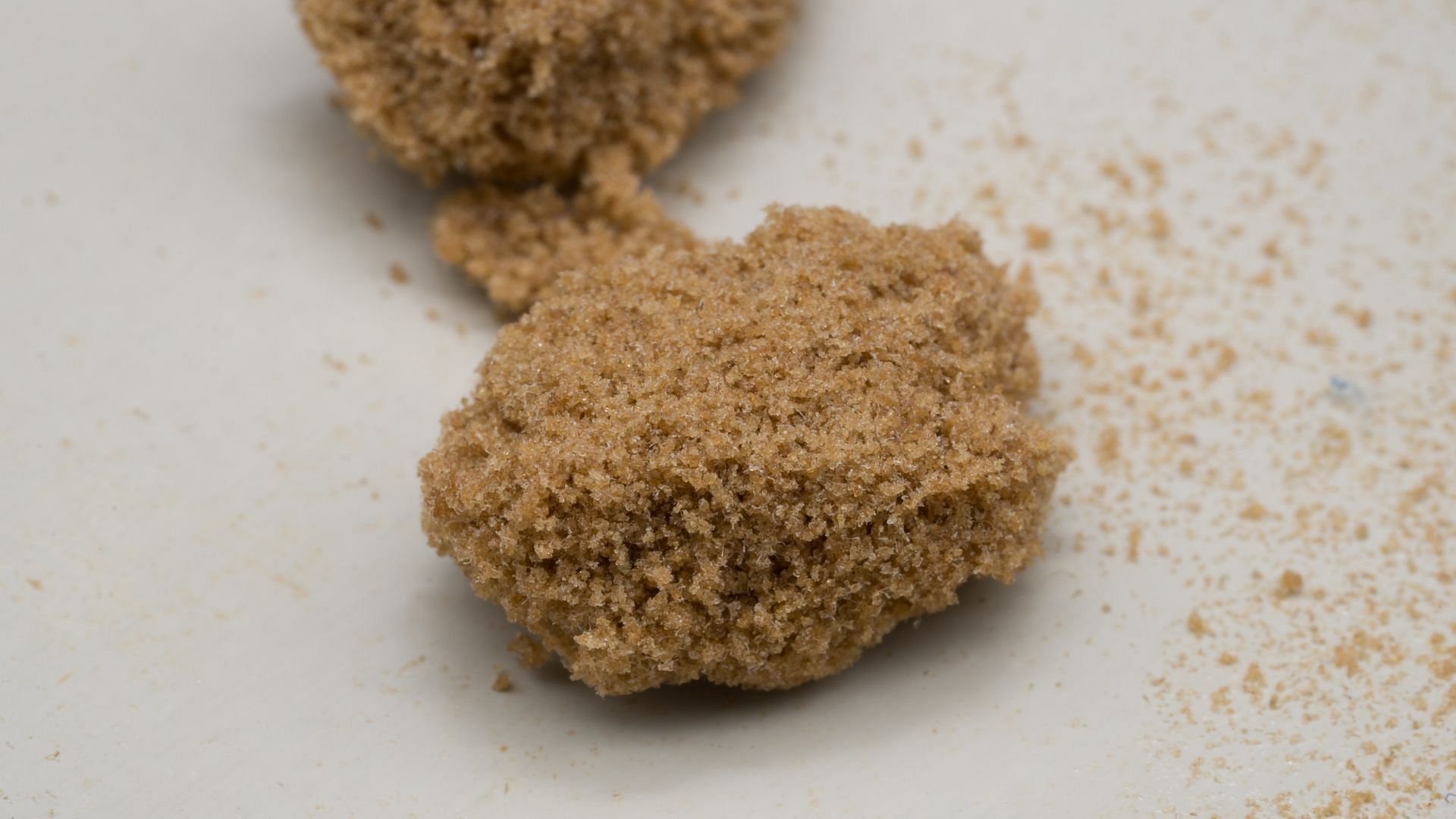
4. Draining and Collection: Water drains, leaving the hash in the bags. Starting with the smallest micron bag, collect your hash. Different bags yield hash of varying quality, with finer microns generally providing a purer product.
5. Drying: Lay out your hash on parchment paper, ensuring it dries thoroughly over several days to deter mold formation.
Conclusion
Through the precise methodology of sieving and the systematic approach of bubble hash extraction, the production of cannabis concentrates at home integrates both sophisticated techniques and scientific precision. Both methodologies emphasize the intrinsic properties of the cannabis plant, encapsulating its pharmacologically active compounds in the form of hash. It's imperative to adhere to local regulatory standards and approach the hash production process with safety and scientific rigor in mind.
3 Superb Strains For Making Hash
Now that you know the method behind hash making, you'll leed a suitable strain for the variety. When choosing a weed strain for hash production, ideally, the more resinous, the better. You can't go wrong with these:
The White OG
The White OG is born from two immensely popular strains on the American market - the Cannabis Cup-winning Rolex OG, and OG Raskal. it's as resinous as they come, and makes for superb hash. You can look forward to a classic Kush taste - intense, spicy, and earthy with notes of lemon and Diesel. Flowering in around 9 weeks, OG boasts THC content of up 24%. A solid foundation upon which to build truly sumptuous hash.


Purple Ghost Candy
Fast becoming one of our most-talked about strains, the multi-talented Purple Ghost Candy is an elite cannabis that excels by any metric. You can expect abundant yields, next-level flavours, and a THC content in the region of 27.54% - a heavy-hitter if ever there was one! Finally, PGC boasts the kind of resinous buds hash makers see in their dreams - heavily coated in a generous amount of sticky goodness, so any hash you make will be top-notch.

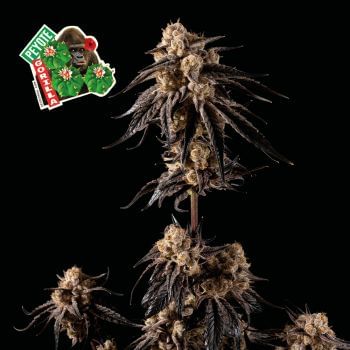
Peyote Gorilla