
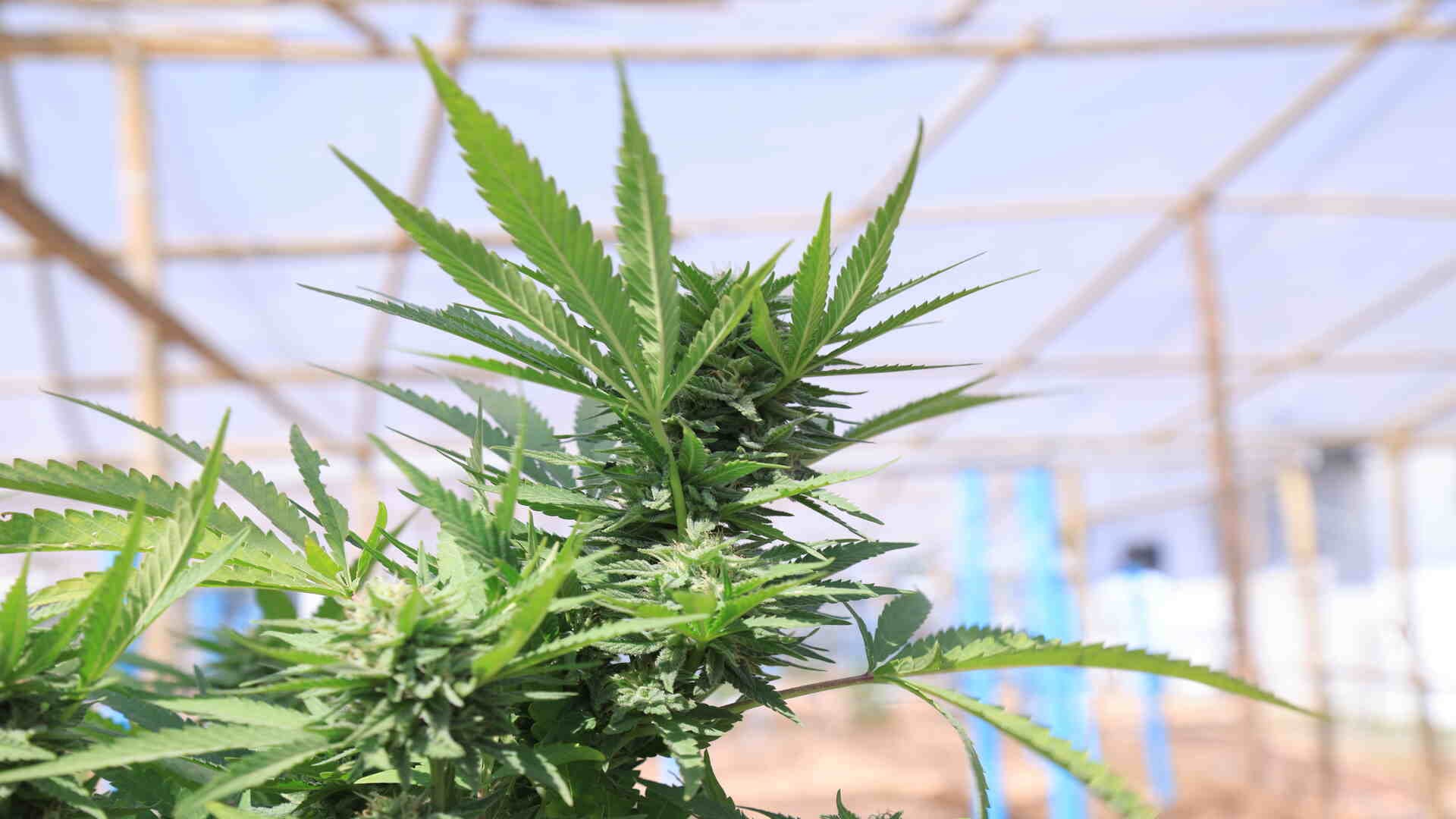

Growing cannabis for the first time can feel like a big step. Indoors can look complicated and expensive because there's so much equipment to buy and learn about. Outdoors can feel slightly risky depending on your climate and neighbours. A greenhouse, on the other hand, sits right in the middle – and for beginners, that’s often the sweet spot.
If you choose to grow cannabis in a greenhouse, you’re choosing a method that uses natural sunlight while giving you protection from inclement weather. No need to deal with complex lighting systems. No battling gale force winds and sideways rain. Just a controlled, sheltered space where plants can do what they do best – grow. In this special guide for newcomers to horticulture, we’ll break it down clearly. No jargon. No overcomplication. Just what you actually need to know to get started.
Why Beginners Should Grow Weed In A Greenhouse
If you’ve never grown before, having a good degree of control matters. A greenhouse helps you:
- Protect plants from heavy rain
- Reduce wind damage
- Extend the growing season
- Bypass the cost of indoor lighting
- Keep plants relatively discreet
When you grow weed in a greenhouse, you still use the power of the sun but you remove a lot of the chaos. Instead of fighting against nature, you’re in a position to manage it.
Step One: Choosing The Right Seeds

For beginner cultivators, genetics should make life easier, not harder. At Seedsman, we have a range of seeds perfectly suited to newcomers. They’re designed for relative ease of cultivation and can cut out a lot of the high-maintenance work associated with some cannabis varieties. Even better, most of them perform in any environment, so if you’re at the very beginning of your journey and want to grow weed in a greenhouse, there’s plenty of choice.
Explore our Cannabis Seeds For Beginners
To keep it simple, there are two main types of seed for the job:
Autoflowering Seeds (Easiest Option)
Autos flower automatically based on age rather than light manipulation. In other words, once the plant has been growing a certain number of weeks, it will automatically start to produce buds.
Why they’re good for beginners:
- Finish faster (typically 8-11 weeks from seed to harvest)
- Smaller plants (easier to manage)
- Typically very hardy with good resistence to mould
- No need to worry about light cycles
- You can start your grow late in the spring and still harvest plants by summer
Further Reading:Why You Should Grow Autoflowers
We welcome you to explore our range of autoflowering seeds, but to help you on your way, here's a few recommendations:
Seedsman Blue Dream Auto
If you'd like to start off with a modern classic, Blue Dream Auto is our quick-finishing take on one of the most in-demand varieties of the last twenty years. It quickly became highly sought-after among the medical cannabis community for its balanced, uplifting effects and sweet berry aroma and flavours. Growers report our autoflowering version is easy to cultivate, and is known for producing good yields of dense, resinous buds when cultivated with care. The total life cycle of Seedsman Blue Dream Auto is typically around 11 weeks.



Seedsman White Widow Auto
For a classic old-school choice, White Widow Auto is a shorter-cycling version of one of the most popular and successful varieties of all time. A staple of 1990s cannabis culture, the original White Widow gained notoriety for its high resin content and potent effects. Seedsman White Widow Auto retains these qualities along with its trademark earthy, spicy flavour, adding greater ease of cultivation and shortening the total time taken to grow to just 10 to 12 weeks.


Photoperiod Seeds (Bigger Plants, a bit more work)
Autos are quicker and arguably easier, but you can absolutely grow weed in a greenhouse using photoperiod cannabis seeds. Many beginners do this succesfully, whether indoors or outdoors. These varieties grow through spring and early summer, then begin to produce buds as daylight hours shorten (usually late July onwards).
Why beginners might choose them:
- More forgiving if trained properly (longer life cycle allows more time to recover from any errors//issues)
- Larger yields
- Stronger structure
Take your time to explore our collection of photoperiod cannabis seeds, but to help you on your way, here's couple of recommendations:
Seedsman Gelat.OG
Gelat.OG combines the legendary Gelato with OG Kush - two of the most famous Cali weed strains - to create a fast-flowering, high-yielding indica hybrid. It's comfortable in most climates, suited to indoor and outdoor growing, and has a reassuringly high resistance to mould. The Gelato component brings sweet, dessert-like flavours while the OG Kush component brings a reassuringly solid genetic backbone, along with a potent, uplifting effect. Gelat.OG has a flowering time of 8-10 weeks and THC levels can reach an impressive 25%. Many growers report very high yields If grown in the right conditions and with care,


Seedsman Purple Ghost Candy
Purple Ghost Candy is a strain of connoisseur quality with a reputation built on several key attributes including yield, flavour, potency, and bag appeal. The good news? It's also famed for an ease of growing that means even novices can cultivate this with great results. A balanced hybrid with very high THC levels, Purple Ghost Candy is a taller plant that benefits from supporting side branches in flowering due to their size, but the reward is potentially impressive harvests of some incredibly flavourful buds.


If you’re still unsure, start with two or three autoflowers for your first run. They’re typically lower maintenance, faster, and confidence-building.
When you grow weed in a greenhouse for the first time, simplicity is key.
Choosing Your Greenhouse
The good news is you don’t need a huge glass palace to grow weed in a greenhouse, so there’s no need to break the bank. A simple setup for beginners can produce great results. Experienced growers tend to aim for something with the following features:
- Solid frame
- Good ventilation
- Enough height (not just for your plants, but for you to work without constantly bumping your head)
- Enough space for the amount of plants you want and for you to get around them
What Type Of Greenhouse Should You Get?
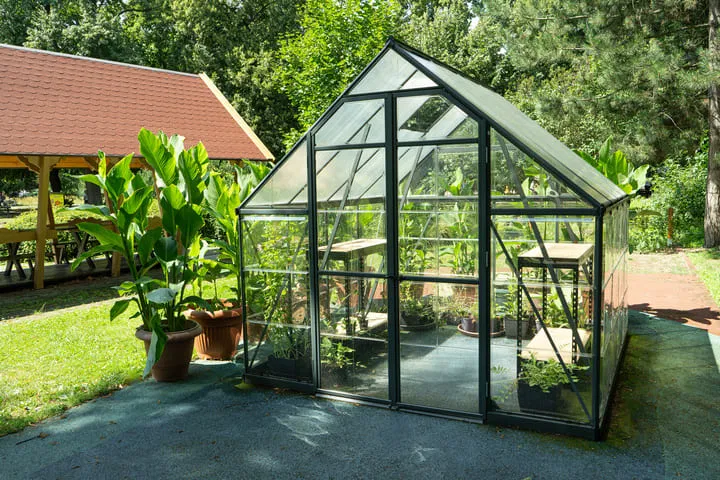
Not all greenhouses are made the same. The most common options are glass, polyethylene, and polycarbonate, with different types of frame as well. For beginners looking to grow weed in a greenhouse, an aluminium frame and polycarbonate panels is a good balance of inslulation and light diffusion (reducing hot spots). It’s sturdy, holds heat better than thin plastic, and doesn’t shatter like glass - so less risk for you and your plants.
Polytunnels are popular with cultivators, but offer less insulation. They’re fine for summer, but less ideal for early spring or autumn temperatures.
What Size Greenhouse Do You Need?
Aim to base the size on the number of plants you intend to grow. Some beginners opt to start small and buy something compact. Unfortunately, things can get overcrowded quickly as plants start to pack on vegetative mass and then enter flowering. Airflow is key, and that requires space.
Here’s a simple guide:
Growing 2 Plants
Minimum: 6 ft tall by 4ft
Plenty of space for two medium plants in large pots.
Growing 4 Plants
Recommended: 8 ft by 6 ft
Comfortable spacing and room to move around.
Growing 6 Plants
Recommended: 10 ft by 8 ft
Allows sufficient airflow and easier maintenance.
If in doubt, go slightly bigger than you think you’ll need. Airflow is everything, and tight spaces lead to humidity problems later.
Basic Equipment (Beginner Setup)
You don’t need advanced systems to grow cannabis. Make sure you have the following:
- 20-40 litre fabric pots
- Quality soil (simple organic compost works well, or you can read this article on Which Soil Is Best For Autoflowers for options
- Watering can or hose
- Thermometer or hygrometer (essential)
- A couple of small fans (to help with that all-important airflow)
- Bamboo canes for support
That’s it. Keep it simple.
How To Grow Weed in a Greenhouse: Step by Step
Germination (Start Indoors)
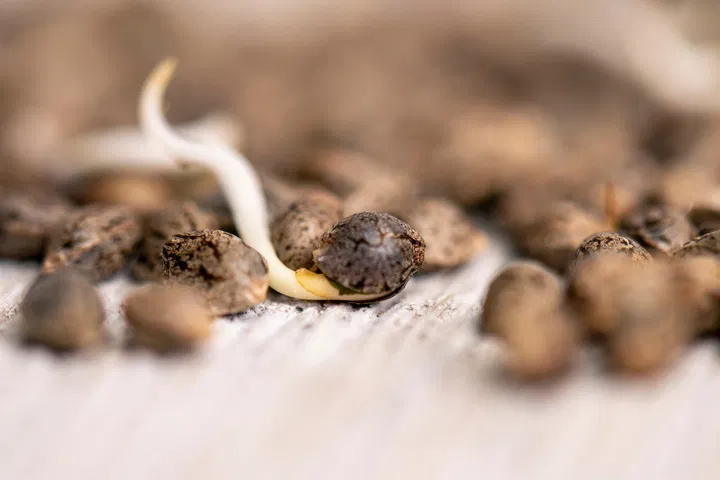
Early spring nights can be cold. Don’t put your seedlings straight into the greenhouse – start them indoors and keep them snug until outdoor temperatures have climbed a bit.
Germination is the start of plant life, so it’s worth your time to read the ultimate guide to germinate cannabis seeds for a clear understanding of what's involved.
To grow weed in a greenhouse, start seeds indoors in April or May, and keep them warm and lightly lit. Only move them to the greenhouse when night temperatures stay above 10-12°C. This avoids early stress.
Stage 2: Vegetative Growth

You’ll be working in the greenhouse from now on. The vegetative stage is where your plants begin packing on green mass – leaves and branches. Seasoned cultivators recommend transplanting seedlings to their final pots early, and if you're growing autoflowers, many cultivators agree it's best to start them in their final pots to avoid transplant shock - their short life cycle means they'd have less time to recover.
Further Reading: A Guide To Transplanting Safely
Some tips to manage plants through the vegetative stage:
- Water well and allow soil to partially dry
- Open the vents in your greenhouse on warm days
- Close the vents before cold nights
- Feed more nitrogen at this stage than phosphorus and potassium
If plants get tall too quickly, gently bend the main stem sideways and tie it loosely. This is low-stress training (LST) and it keeps the height manageable and increases lateral growth.
You don’t need advanced plant training techniques. Just basic shaping. When you grow weed in a greenhouse, steady growth matters more than rapid growth.
Stage 3: Flowering Begins

For photoperiod cannabis plants, flowering starts naturally when daylight hours reduce (late July). For autoflowers, flowering begins automatically after a few weeks.
At this stage:
- Reduce nitrogen feeding, increase phosphorus and potassium
- Increase airflow
- Support branches with canes or ties as buds form
- Avoid spraying anything on the leaves or buds
Buds will swell steadily over several weeks. Experienced growers resist the urge to overfeed or constantly adjust things. Stability and produces better flowers than inconsistency or panic measures. When you grow weed in a greenhouse, consistency during flowering prevents most problems before they start.
Stage 4: Late Flowering

The final weeks are about preservation. Plants slow down. Buds fill out and become dense. Aromas strengthen significantly. But this is when the climate can become unpredictable, anywhere between a long, hot summer, late season frosts, or heavy rain.
Successful growers usually focus on:
- Keeping humidity below 60% where possible
- Checking buds regularly for signs of mould
- Removing dead or inner leaves
- Reducing nutrient feeding in the final 1-2 weeks
- Avoiding heavy watering later in the day
Late flowering isn't necessarily about pushing harder or making countless tweaks to your practices. It's more about protecting the work you've already done.
How To Manage Humidity In A Greenhouse
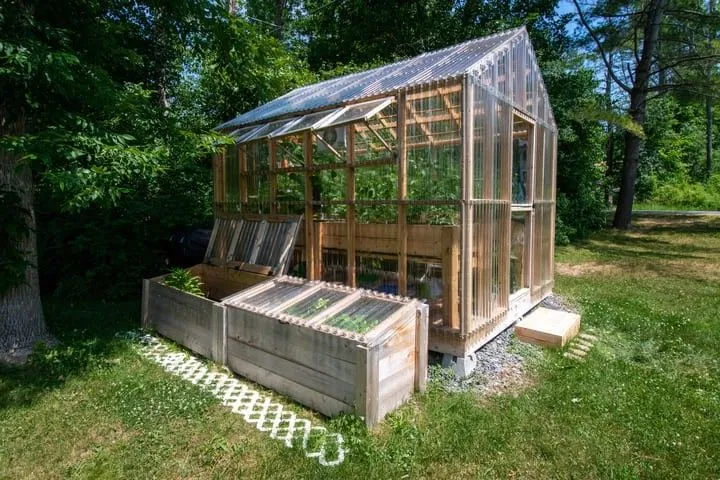
Mould is the number one issue for greenhouse growers. Thankfully, a little vigilance and a few preventative steps can keep it in check. Be proactive.
- Open vents every morning
- Use fans on a low setting for air circulation
- Avoid watering in the evening
- Remove excess leaves for better airflow
- Humidity above 65% during flowering can cause bud rot. Check levels daily.
When you grow weed in a greenhouse, good airflow is your insurance policy.
Managing Heat
In peak summer, temperatures can easily exceed 30°C inside a greenhouse. Plants can tolerate warmth, but it’s the stagnant air that leads to problems like mould. When the mercury rises, a few simple steps can make a difference:
- Open all vents
- Add shade cloth to the panels if needed
- Keep air moving
Pest Control (Simple Prevention)
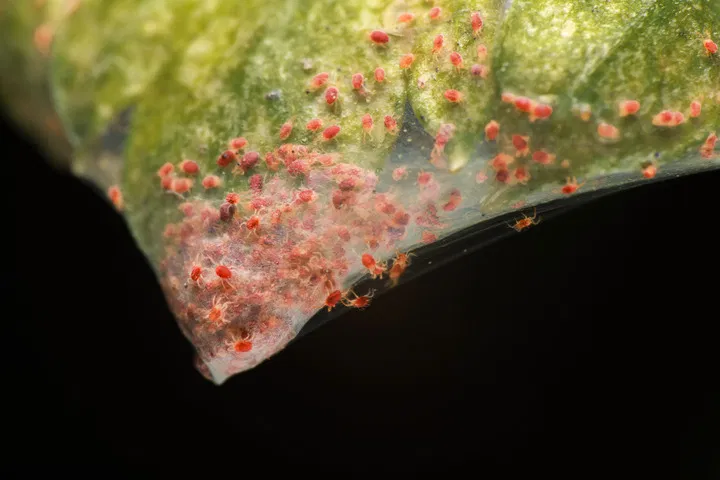
Greenhouses provide cover and shelter for your plants, but they don’t block pests completely. If you’re growing weed in a greenhouse, be sure to check your plants often for:
- Tiny moving dots under leaves (spider mites)
- Clusters of small green insects (aphids)
- White flying insects (whiteflies)
These are among the most likely pests you’ll encounter. Start with these prevention tips to minimiise risk:
- Keep the space clean
- Remove dead leaves as you go
- Use sticky traps to catch any unwanted flying insects
- Avoid spraying anything once buds are forming.
Further Reading: Integrated Pest Management Explained
Watering Basics For Beginners

Overwatering is more common than underwatering, and poses a greater risk for obvious reasons – it's easier to add more water if needed than it is to remove it.
Simple rules for watering:
- Lift the pot.
- If it feels heavy, don’t water
- If it feels light, water thoroughly
- Try to water early in the day and avoid watering in midday heat
When you grow weed in a greenhouse, plants can dry out faster on sunny days. Check daily in summer. Don’t immediately panic if you go overboard – we have an article on how to fix cannabis overwatering that can help.
Harvesting Your Yield

The business end of cultivation is what it’s ultimately all about. Autoflowers can be ready in as little as 10-11 weeks from seed. Photoperiod plants typically finish between late September and early October. Knowing when your buds are ready to harvest is essential.
Look for these signs:
- Pistils darkening and curling inward
- Buds feeling dense
- Plant growth slowing down
- Trichomes showing some cloudy, some amber

Using trichomes to determine potency and harvest time is still considered the best way to tell when your plants are ready for harvest. Use a magifying glass to inspect trichomes in the late stages of flowering.
If heavy rain and cold weather are forecast late in the season, don’t wait too long to harvest. A slightly early harvest is better than losing buds to mould.
You can also try optimising a two-step harvest, removing ripe buds from the upper plant while giving the remainder a little longer to reach their peak.
Note: The more amber or brown trichomes get, the more sedative effects you’ll likely experience.
Drying Your Buds

Once you’ve harvested your buds:
- Hang branches in a dark, cool indoor space - not the greenhouse
- Aim for a temperature of around 18-20C
- Keep humidity levels around 50-60%
- Lastly, resist the temptation to dry quickly. Slow drying is considered the best method for improving flavour and smoothness.
Final Thoughts on How To Grow Weed In A Greenhouse
If you’re new to horticulture and wondering if you can grow weed in a greenhouse, the answer is yes. You don’t need advanced equipment. You don’t need complicated techniques. You need space, sunlight, airflow, and patience. Start small. Learn the rhythm of feeding and watering. Check plants daily and make adjustments gently.
To grow weed in a greenhouse teaches observation. It teaches balance, and it teaches restraint. And when you step inside on a warm morning and see healthy, vibrant plants reaching for natural light, it won’t feel complicated. It will feel rewarding. And if you do encounter problems, don’t panic – there are solutions on hand in the Seedsman blog. Use the search bad to find articles covering common – and even some not-so-common – cultivation queries.