
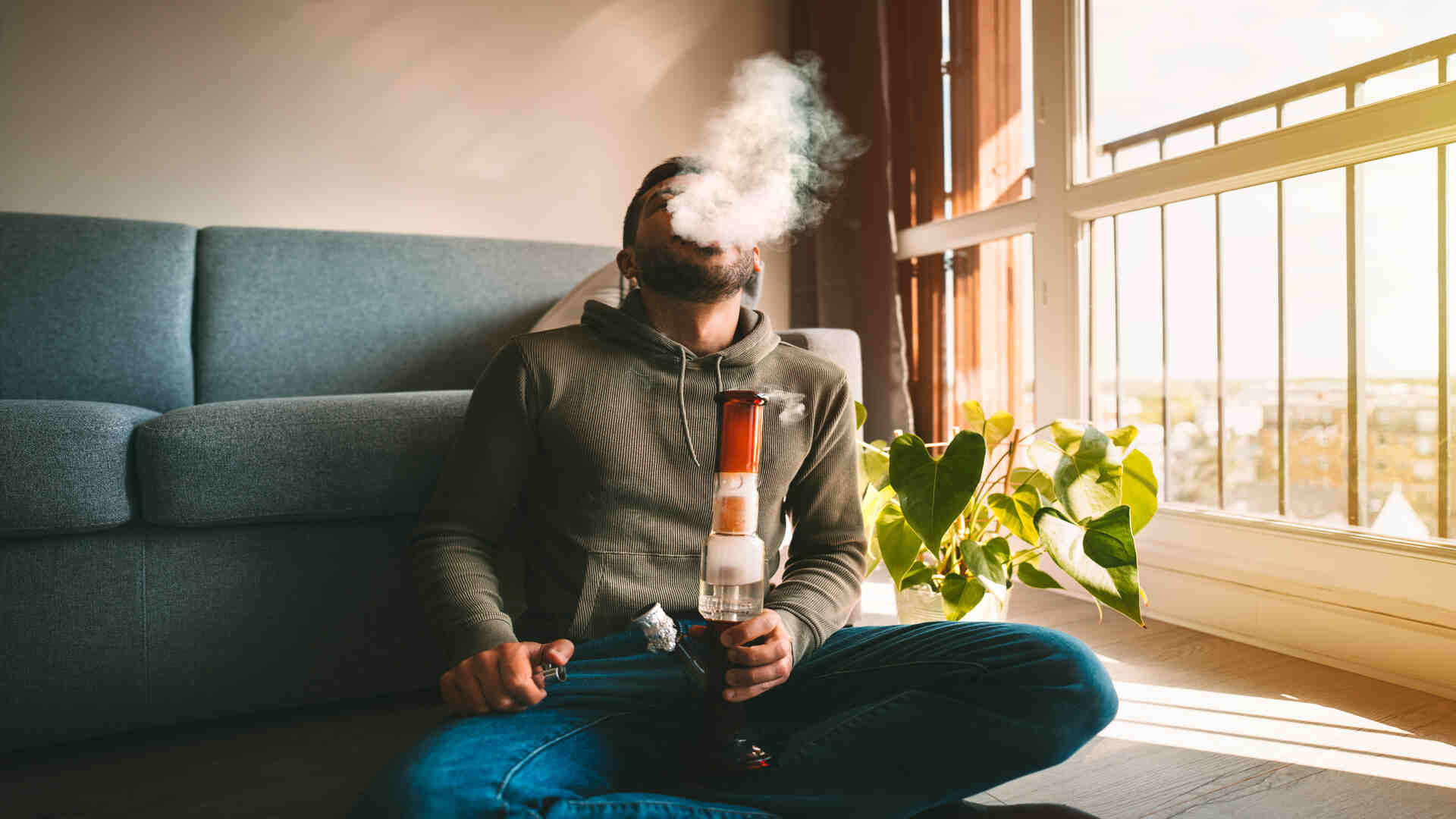

Cannabis has long been celebrated for its diverse effects, ranging from a mellow sense of relaxation to bursts of euphoric creativity. However, if you’re new to cannabis or trying a different consumption method, you might wonder: “How long does a cannabis high last?”
The cannabis high is a result of consuming products derived from the cannabis plant, which contains various compounds that interact with the body.
This seemingly simple question is more complex than it appears. Many factors come into play, from how you consume cannabis to your personal physiology and even the environment you’re in. Let’s examine the nuances to help you better understand the timeline of a cannabis high—and what you can do if it feels like it’s overstaying its welcome.
The Cannabis High: A Delicate Balance

Every cannabis journey is unique, and that’s part of what makes the experience so intriguing. Whether you’re indulging in a puff, nibbling on an edible, or trying a tincture, the effects can vary widely. But why?
Imagine two friends—let’s call them Cheech and Chong. Cheech has a fast metabolism and an occasional habit of enjoying cannabis. Chong, on the other hand, has a slower metabolism and smokes daily. They both consume the same cannabis strain, in the same dose, at the same time.
Surprisingly, Cheech might experience a short-lived but intense high, while Chong could feel milder effects that linger. These differences highlight the role individual factors and consumption methods play in shaping the experience, as marijuana acts through its active ingredient, THC, which interacts with cannabinoid receptors in the brain and body.
Factors Influencing How Long A Cannabis High Lasts
Individual Differences: Your Body, Your Rules
Your unique biology is the silent puppeteer controlling your cannabis high.
Metabolism: People with faster metabolisms, like Cheech, may process and eliminate THC (tetrahydrocannabinol, the psychoactive compound in cannabis) more quickly. This results in a shorter high. Conversely, individuals with slower metabolisms may feel the effects for longer periods, as their bodies take more time to break down THC.
Scientific Insight: A study published in PubMed notes that metabolic rate significantly influences the duration of THC’s presence in the body.
Tolerance: Frequent users, like Chong, often build a tolerance to THC over time, which can alter marijuana's effects and lead to shorter, less intense highs. This occurs because repeated exposure to THC leads to desensitization of CB1 receptors in the brain, which are responsible for the high. As a result, highs become shorter and less intense.
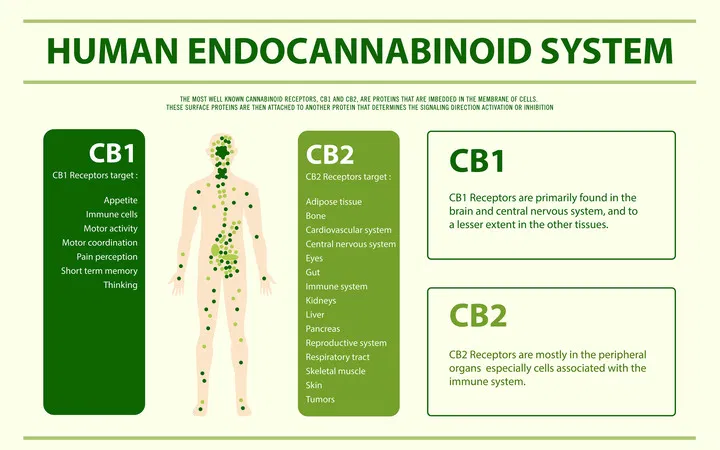
Body Composition: Because THC is lipophilic (fat-soluble), individuals with higher body fat percentages may store THC longer, potentially affecting the duration and intensity of their high. This storage doesn’t mean they stay high longer, but it might lead to delayed or subtle effects.
Age and Gender: Research suggests that age and gender can also play a role. Older individuals may metabolize cannabis more slowly, while hormonal differences can slightly alter how men and women experience its effects.
Method of Consumption: Smoking or Vaping Matters
How you consume cannabis isn’t just a matter of preference; it’s a decisive factor in determining the duration and onset of your high.
Smoking or Vaping:

Onset: Smoking cannabis provides a rapid onset of effects, typically felt within minutes, making it a popular choice for those seeking immediate relief. THC is rapidly absorbed through the lungs, reaching the bloodstream in seconds to minutes. Most users feel the effects within 2 to 10 minutes.
Duration: The high peaks around 10 to 15 minutes after inhalation and typically lasts 1 to 3 hours. However, some users report subtle lingering effects for up to 6 hours.
Advantages: The quick onset allows for better dose control, making it ideal for beginners or those seeking immediate relief from symptoms like pain or anxiety.
Edibles:

Onset: Patience is key with edibles. The delayed onset (30 minutes to 2 hours) is due to THC being metabolized by the liver into 11-hydroxy-THC, a more potent compound that crosses the blood-brain barrier more effectively.
Duration: Once active, the high from edibles can last 6 to 8 hours or longer, with some users reporting residual effects for up to 12 hours.
Why the Difference? The delayed onset and extended high make edibles a favorite for those seeking long-lasting effects, but they’re also notorious for accidental overconsumption. Always start with a small dose (5 mg or less).
Tinctures and Oils:
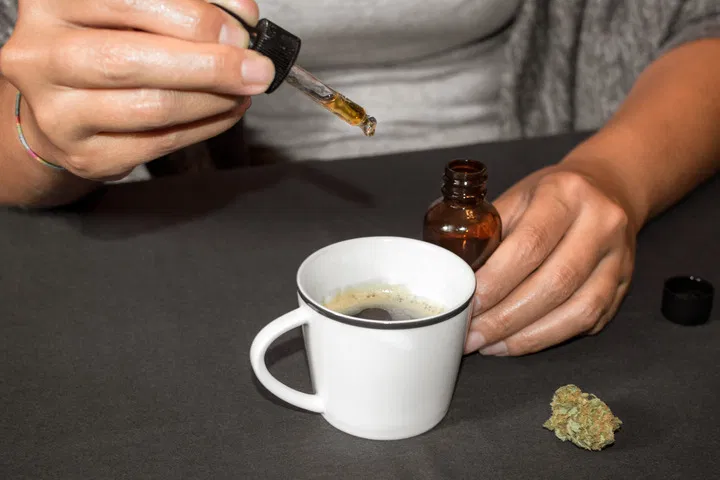
Onset: Sublingual administration bypasses the digestive system, leading to faster absorption. Expect effects within 30 minutes to an hour.
Duration: The high typically lasts 4 to 6 hours, depending on dosage and individual factors.
Best Use: Tinctures are great for those seeking the prolonged effects of edibles without the unpredictability of digestion.
Dosage: The Goldilocks Effect of High THC Concentrate
When it comes to cannabis, finding the right dosage is crucial for achieving the desired marijuana high without overwhelming effects.
Low Dose (1-2.5 mg THC):
Effects: Subtle euphoria, mild relaxation, and gentle symptom relief.
Duration: Effects usually last up to 2 hours, making this dose ideal for beginners or microdosing enthusiasts.
Moderate Dose (2.5-5 mg THC):
Effects: More pronounced euphoria, perceptual changes, and possible creativity boosts.
Duration: Effects often persist for 2 to 4 hours.
High Dose (5+ mg THC):
Effects: Intense psychoactive experiences, including heightened sensory perception and strong euphoria. May lead to anxiety or paranoia in some users.
Duration: Effects can last 4 to 6 hours or longer, particularly with edibles.
Important Note: Always start low and go slow, especially if you’re consuming edibles or using a new method.
Cannabis Edibles: A Unique High
Cannabis edibles offer a distinct experience compared to smoking or vaping cannabis. When you consume cannabis edibles, the THC is absorbed through your digestive system, leading to a more intense and prolonged high. This method of consuming cannabis can result in effects that last several hours, making it a popular choice for those seeking long-lasting relief or a sustained experience (plus - who doesn't love chocolate brownies?)
One of the key differences with cannabis edibles - whether it's gummies, brownies, cookies, or any of the delicious options available - is the delayed onset of effects. Unlike smoking or vaping, where THC is rapidly absorbed through the lungs, edibles take longer to kick in—typically between 30 minutes to 2 hours. This delay is due to the THC being metabolized by the liver into 11-hydroxy-THC, a compound that crosses the blood-brain barrier more effectively, resulting in a potent high.

When consuming cannabis edibles, it’s crucial to start with a low dose and be patient. Many people make the mistake of consuming more before the initial dose has taken effect, leading to an overwhelming experience. A good rule of thumb is to start with 5 mg of THC or less and wait at least an hour before considering more.
Not all cannabis edibles are created equal. The THC content can vary widely, and the type of edible—whether it’s a brownie, gummy, or beverage—can influence the high. Edibles with high THC content can produce a more intense high, while those with lower THC content may offer a more mellow experience. Additionally, the cannabis strain used to make the edible can impact the effects, with some strains inducing euphoria and others promoting relaxation.
How to Shorten a High from Cannabis Edibles You’d Rather End
Picture this: you underestimated the potency of a brownie, and now you feel like time has slowed to a crawl. Don’t worry—you’re not alone, and there are ways to manage the situation. Overconsumption, often referred to as a cannabis overdose, can lead to uncomfortable effects such as nausea and rapid heart rate.
1. Stay Calm and Ride It Out
The first and most important step is to remind yourself that this will pass. THC’s psychoactive effects are temporary, and your body will metabolize it in time.
2. Hydrate Like a Pro

Sipping water can alleviate dry mouth and help ground you. Steer clear of alcohol, as it can amplify the effects of THC.
3. Peppercorn Magic
It might sound strange, but many swear by sniffing or chewing black peppercorns. The terpene beta-caryophyllene in pepper may counteract THC’s anxiety-inducing effects.
4. CBD to the Rescue

CBD, the calming cousin of THC, can help balance out a high that feels too intense. Keep a CBD tincture or capsule on hand for emergencies.
5. Snack Attack
A hearty snack, especially one rich in fats, can help distract your mind and possibly aid in absorbing residual THC.
6. Move Gently
A stroll in fresh air or light yoga can help clear your head and release feel-good endorphins.
7. Rest and Reset

Sometimes, all you need is a nap. Closing your eyes and letting time pass can work wonders.
8. Distract Yourself
Engage in an activity that brings you joy—whether it’s a favorite TV show or chatting with a supportive friend.
Important Caveats: Marijuana Use Disorder is Personal
While these guidelines can help predict or manage your cannabis experience, it’s crucial to remember that cannabis affects everyone differently.
Set and Setting: Your environment and state of mind can influence your high. Being in a comfortable, safe space can make all the difference.
Legal and Health Considerations: Always ensure that cannabis use is legal in your region and consult a healthcare professional if you’re taking medications or have underlying conditions.
Signs of Marijuana Addiction and Drug Abuse
Recognizing the signs of marijuana addiction and drug abuse is essential for seeking help and preventing long-term consequences. Marijuana addiction, also known as marijuana use disorder, can significantly impact an individual’s physical and mental health, relationships, and daily life.
Some common signs of marijuana addiction and drug abuse include:
- Increased Tolerance: Needing to consume more marijuana to achieve the same high.
- Withdrawal Symptoms: Experiencing irritability, anxiety, and insomnia when not using marijuana.
- Loss of Control: Using marijuana despite negative consequences or failed attempts to cut down.
- Neglecting Responsibilities: Ignoring work, school, or personal responsibilities due to marijuana use.
- Continued Use Despite Negative Consequences: Persisting in marijuana use despite physical or mental health problems, relationship issues, or legal troubles.
If you or someone you know is exhibiting these signs, it’s crucial to seek help from a medical professional or a substance abuse treatment center. Early intervention can prevent the escalation of drug abuse and support recovery.
Getting Help for Cannabis Use Disorder
Cannabis use disorder is a treatable condition, and seeking help is the first step towards recovery. Various treatment options are available to address marijuana addiction and drug abuse, each tailored to meet individual needs.
- Medical Detox: A medically supervised program to help manage withdrawal symptoms and ensure a safe detoxification process.
- Counseling: Individual or group therapy to address underlying issues, develop coping skills, and provide emotional support.
- Medications: Prescription medications can help manage withdrawal symptoms and reduce cravings.
- Support Groups: Joining a support group, such as Marijuana Anonymous, can provide a sense of community and shared experiences, which are invaluable during recovery.
When seeking help, it’s essential to find a treatment center that specializes in cannabis use disorder and has experience working with individuals struggling with marijuana addiction. A comprehensive treatment plan should address the physical, emotional, and psychological aspects of addiction and provide ongoing support to ensure long-term recovery.
Overcoming marijuana addiction and drug abuse takes time, effort, and support. With the right treatment and a strong support system, it’s possible to achieve a healthy and fulfilling life free from the grip of addiction.
Conclusion: Know Thy High
So, how long does a cannabis high last? The answer is as unique as the individuals who partake. From quick vaping sessions to the marathon-like endurance of edibles, the duration of a cannabis high depends on the method of consumption, dosage, and your personal biology.
If you’re new to cannabis, take it slow. Start with a low dose and allow plenty of time to gauge its effects. And if you ever find yourself overwhelmed, remember: stay calm, hydrate, and trust that this too shall pass.
Cannabis is a journey, not a race. So take your time, experiment responsibly, and enjoy the experience—on your terms.
Sources: