


Five years on from medical cannabis being allowed in the UK, what has changed? What is the process? How do you know if you qualify? How to navigate the expense? These questions and more are answered in the following article.
This case study outlines a patient's journey in obtaining a prescription for medical cannabis in the United Kingdom. It covers the options and obstacles they faced in their quest. We will not disclose the patient's identity, but we will tell the story starting with how they found out cannabis was available in the UK medical system, all the way through to - spoiler alert - them receiving their prescription.
Although medical cannabis was approved in the UK in 2018, it remains true in 2023 that the vast majority of the non-cannabis-consuming public are unaware that THC-dominant cannabis is not only legal, but prescribed with increasing regularity. Of the few that know cannabis is available through the medical system, most believe that it is only CBD products. The patient in the case study had the same belief, and only found out in 2020 that the UK provided access to THC-ready cannabis medicines.
At a cannabis event in 2020, the patient interacted with several medical cannabis patients and parents of cannabis patients. To their surprise, THC was on the menu, and there was public use of prescribed THC-dominant cannabis during the conversation. After this, the patient, who had been using self-sourced cannabis to control chronic pain and chronic inflammation for over 20 years, queried their GP to learn more about the legally-sourced medicine.


What The GP Said
With some excitement and an equal amount of trepidation, the patient visited their regular GP to discuss getting cannabis prescribed. Surpisingly, it was a disappointing dismissal and cynical response from the GP, who stood firmly by the now classic GP response, “not enough data to make any informed decisions on its effectiveness”. As such, this GP said they could not help the patient get further ahead in their quest. Disappointed, the patient essentially gave up their quest to source the medicine through the system.
Over the next two years, the patient had more and more interactions with other cannabis patients and professionals who offered help and advice to move things forward. The patient discovered there were a few ways to obtain a prescription, including the use of advocate groups. With this in mind, they decided to try again.
Advocate Groups Can Help
After carrying out some due diligence, our patient spoke to two reliable and informed industry professional medical advocate groups, Cancard and Access Kaneh. The patient chose to move forward with Access Kaneh. Access Kaneh are medical cannabis advocates specialising in signposting patients to the best solutions for accessing cannabis medicine. They fund their free offering by selling herbal vapes, so they don’t charge patients for their service.
A highly knowledgeable and positive advocate took the patient through the options available. They discussed the symptoms and provided information on products available, as well as how they work. The patient had to provide a ‘summary of care’ (SOC) record, which is precisely what it sounds like - a shortened version of your medical history from your GP. This was our patient’s big snag, as they had moved around different regions in the UK at a frequency of every three years. Therefore, they could only manage a partial SOC when requested by their current GP. As it turns out, this failed to list the many medicines they had previously been prescribed to combat their symptoms!
This represents a key component of getting cannabis on prescription – if you have tried pharmaceuticals that either did or didn’t work for you but had side effects ranging from bad to horrendous. The patient’s second attempt again ended in disappointment.
The Options Available
Fast forward another year, and the industry had matured somewhat, but the patient, who was now in regular contact with at least half a dozen other patients, had many tales of very poor quality cannabis flower provided through prescription. However, the patient had been prescribed a pharmaceutical, allowing them to present evidence that they had tried ineffective prescription drugs. Now armed with a recent prescription, the patient re-engaged with Access Kaneh, who presented the following options:
1. Go to a clinic, which will cost as little as £35 for a consultation - a price significantly lower than the patient expected. The caveat was that they had extremely stringent criteria and could only offer the clinic's own medicine, thus limiting the range.
2. Go to a private consultant. This cost £200, more in line with the expected price quoted in previous attempts. However, being independent of any one clinic meant that the consultant had more options for cannabis medicine for the patient as they could source the treatment from any clinic. In addition, the consultant could better assess the patient’s history and compile a case despite any missing evidence or unticked boxes.
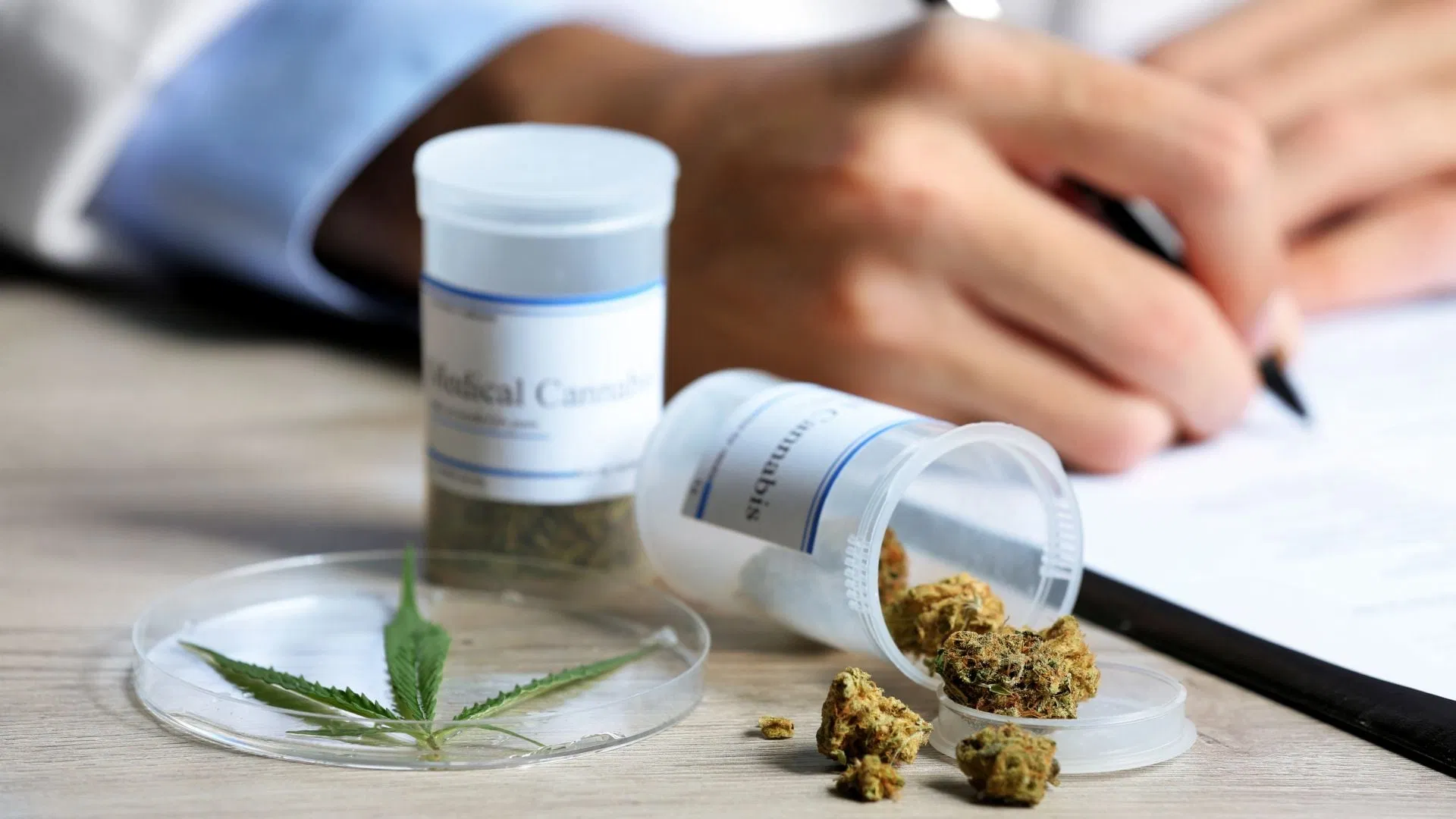
Reasoning that the partial SOC might need explaining and having the freedom to choose the best cannabis medicine available, our patient opted to pay the higher fee and have their consultancy with an independent doctor rather than the clinic.
What Happens Next
The consultation involved a pre-assessment and then standard questions during the call. There were a few specific questions relating to the patient's condition, lifestyle and consumption habits, but it was all handled within a 40-minute conversation. Personal and family history of mental health is included as standard, and those new to trying the medicine should be aware that this can limit access. At the end of the call, the patient and the doctor discussed which version of the cannabis medicine would be most suitable.
As the patient had been consuming high-quality cannabis from outwith the medical system, the conclusion was to provide a high-strength vape oil to provide the same quick-acting relief that smoking flower had previously provided. In addition, the consultant recommended a 2:1 THC to CBD daily oral oil, which would provide non-drowsy daytime relief from the symptoms.
The patient requested we include this direct quote:
“ I did not want to be prescribed cannabis flower since many existing patients I had spoken to received very poor-quality product. Even though good cannabis flower is available through the clinics, it was, at least for the last few years, very hit or miss in terms of quality. Although there is evidence that this is changing and improving, oils are currently a better way for me to receive quality medicine. I may opt for cannabis flower in the future if the quality becomes more consistent and patient feedback confirms this.”

The consultant then sent a letter informing the patient's GP of the prescription and forwarded it to the appropriate clinics/pharmacy to dispense.
Costs And Delivery
The clinics then contacted the patient to coordinate payment and delivery of the medicine. It only took a couple of days to receive the prescription, which came by Royal Mail special delivery. The vape pen provided was of high quality, a branded vape and cartridge system which contained 80% THC in full spectrum oil (including terpenes) with 4% CBD. The patient reported that the vape was strong enough to replace their existing self-administered cannabis and that the oral oil helped in ways that self-administered cannabis did not. Success!
The vape pen and cartridge were a total of £140 for 1ml = 1 month supply – this was to match up to the patient's relatively high, 1.5 gram a day self-administered cannabis, which they were previously consuming. The oil was priced at £100, and the first month of this patient’s medical cannabis cost a whopping £440! This could have been reduced to £135 if the patient only needed 0.5ml of vape oil or oral oil and went through a clinic for the prescription rather than an independent consultant.
Getting a cannabis prescription in the UK would come with a realistic price range for the first month of £135 - £440 with a repeating monthly cost of £100 - £240, depending on the medicine chosen.
The number of conditions that qualify for getting cannabis prescribed is relatively vast and growing, with chronic pain and anxiety two of the most common reasons people are prescribed cannabis. But it is undoubtedly worth looking into cannabis-based medicine if you have any condition, especially where pharmaceuticals have been ineffective or have hindered you due to side effects.
Conclusion
It’s better to query and investigate your eligibility before deciding. Consulting with the proper industry professionals will keep you right and keep you on track to treat your condition. Although it remains expensive, it seems the increasing options are helping to bring the cost down. As more regions around the world open up to cannabis, the cost of medical products will come down. It’s worth noting that there are still seemingly supply chain issues and quality control issues which are being addressed.
Ultimately, this patient case study is one of success. Although it took a while to get and is expensive, the patient notes improvement in symptoms and a peace of mind that everything is above board and legal.