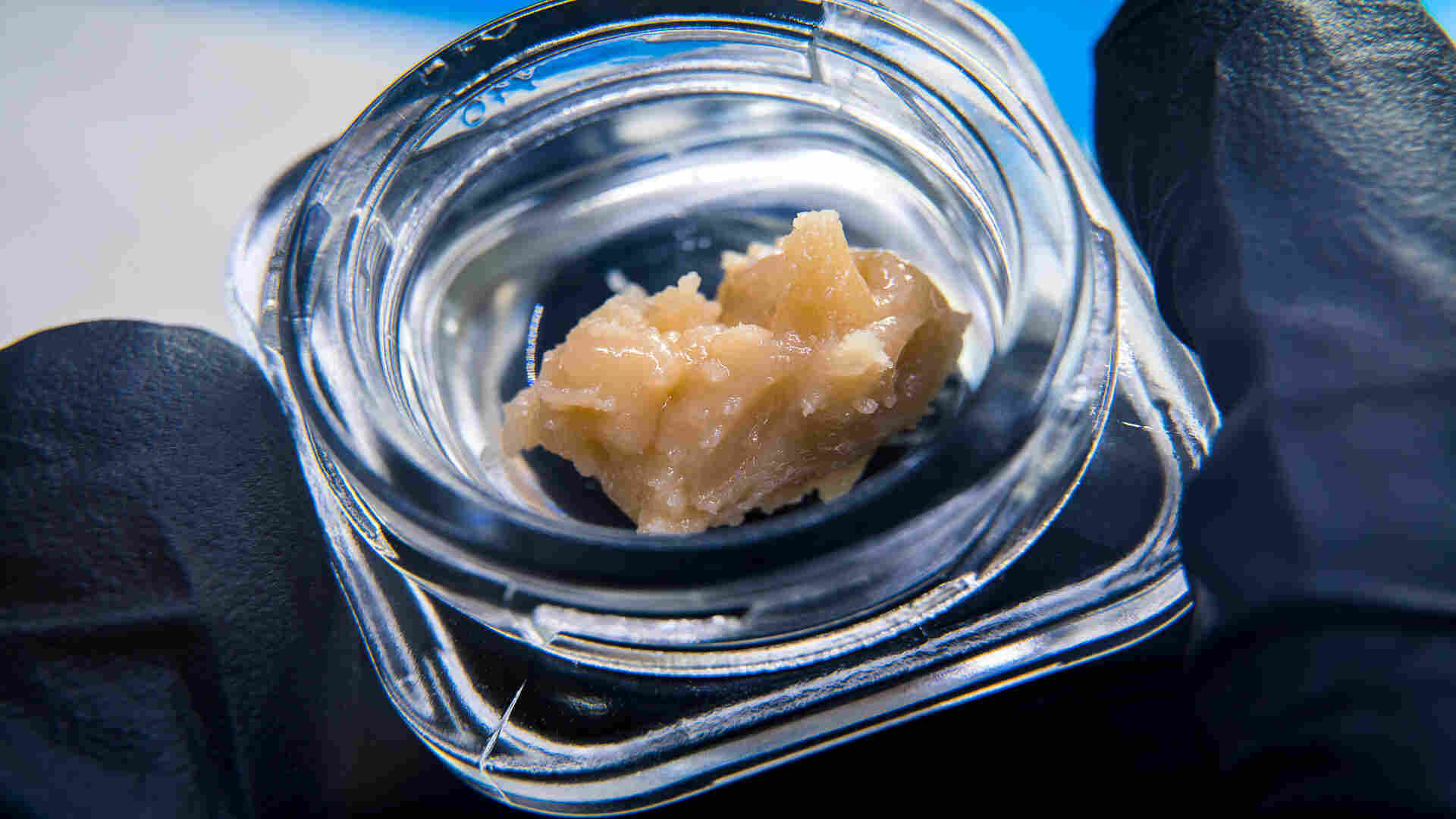
When we talk about bubble hash rosin, we’re talking about one of the cleanest, most flavorful, and most potent ways to enjoy cannabis. Unlike hydrocarbon extracts, this process relies on nothing more than ice, water, and pressure to separate and preserve cannabinoids and terpenes. That means the quality of your rosin is only as good as the quality of the cannabis you start with. And here’s the thing—not all cannabis is created equal when it comes to washing.
In this article, I’m going to break down the best way to grow for bubble hash rosin. We’ll look at outdoor versus indoor, dive into ROI, talk strain selection and test washes, compare terpene variety, and cover cultivation practices that set you up for hash-making success.

Outdoor vs. Indoor Growing for Bubble Hash Rosin
The first fork in the road is deciding whether to grow indoors or outdoors. Indoor setups give you complete control—light cycles, feeding schedules, climate—and that can mean predictable resin development. Outdoor gardens, though, harness the full spectrum of sunlight, seasonal rhythms, and natural soil ecosystems. That usually translates to more complex terpene expression.
- Indoor: Tight control, dialed-in environments, faster turnaround.
- Outdoor: Bigger yields, broader terpene diversity, much lower production costs.
Both approaches have their place. If you want absolute consistency, indoor works. But if you’re chasing ROI and rich terpene expression, outdoor usually wins.
Further Reading:The Benefits of Sun Grown Cannabis

ROI: Getting the Most From Your Grow
Whether you’re a home grower looking to save some money by growing your own or a commercial grower looking to make a profit, how you grow your weed for rosin can significantly affect your return on investment (ROI).
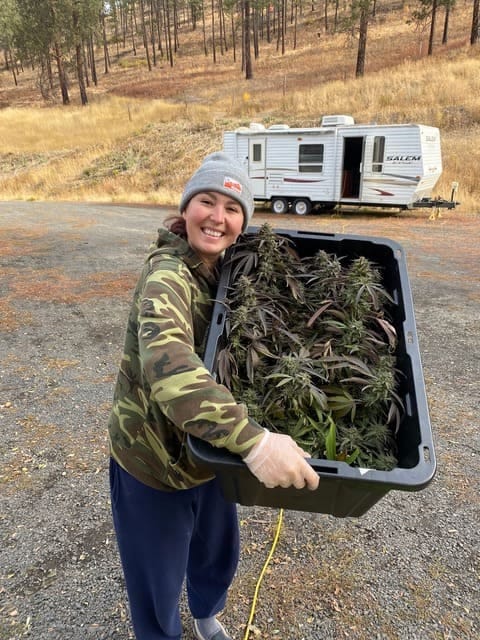
Let’s be real, this plant isn’t cheap to grow indoors. Between lights, HVAC, and nutrient programs, you’re looking at $200–$500+ per pound of flower just to produce it. Outdoors, that cost drops dramatically: $50–$150 per pound if you’re smart with your soil and amendments. Considering outdoor flower sells for as low as $200 per pound in the most saturated markets and indoor for $800, the price of rosin remains the same regardless of whether the starting material is indoor or outdoor as long as the quality is top.
 .
.
Now think about states with strict plant count limits. If you only get 4–6 plants, outdoor is a no-brainer. One well-grown outdoor plant can give you 1 –5+ pounds. You’ll get a fraction of that indoors because space limits canopy size. When you’re growing for hash, that matters.
And here’s the hash math: bubble hash yields typically fall between 1–8% return on fresh frozen. Anything under 3% really isn’t worth washing unless the flavor is just so special that you don’t care about yield. Otherwise, those flowers are better smoked as-is.
How to Tell if a Strain Will Wash Well
Not every strain is a good washer. Some produce big, strong, sessile-capitated (big head, small stalk) trichome heads that release easily in ice water. Others have greasy, fragile trichomes that make for disappointing returns. That’s why running a test wash before committing your whole crop is smart.


That small test will tell you if the strain is worth growing for bubble hash rosin.
Further Reading: Ice Water Extraction: The Complete Guide To Washing Cannabis For Premium Hasish Production
Outdoor Terpenes vs. Indoor Terpenes
One of the biggest reasons I lean toward outdoor growing for hash is terpene diversity. Sunlight, wind, microbes, biodiversity, and seasonal temps - all of these stressors push the plant to create a wider range of secondary metabolites.
A Columbia University study compared indoor cannabis fed synthetic nutrients with outdoor grown using organic inputs. The outdoor plants showed greater terpene diversity. The flaw? Nutrients weren’t controlled between environments. A proper experiment would’ve used the same feeding program, with only the environment being the variable. Still, it highlights what most growers already know—outdoor cannabis usually comes with richer terpene expression.
Physiology, Terpenes, and Plant Communication
Plants communicate through volatile organic compounds (VOCs), which we recognize as terpenes, flavonoids, and sulfur compounds. When comparing indoor and outdoor plants, environmental factors change how these terpenes are expressed.
A great example: when you add chitin (from insect frass or crustacean meal), plants boost jasmonic acid, which ramps up VOC production. Outdoors, this happens naturally because plants interact with insects and other organisms daily. Indoors, you have to mimic it through amendments and communion planting. The more diverse the plant’s environment, the more varied its terpene profile—and the more flavorful and unique your rosin.

A great way to increase secondary metabolite production, like VOC’s, is to companion plant a variety of other plants in your indoor pots or beds. Species like sweet alyssum, buckwheat, creeping thyme, and lemon balm make excellent companion plants with cannabis. The more root diversity you have the more root exudate diversity you have. By planting more plants you will cycle nutrients faster, by encouraging a wider range of microbes and more diversity in terpene synthesis. Increased plant density accelerates nutrient cycling by fostering a more diverse microbial community and promoting broader terpene synthesis. Certain plants are even known to boost terpenes in other plants. Remember, this is because plants use terpenes to communicate with other organisms, that means the more diversity you have in your garden the more communication is happening.
Growing Style Matters, Too
It’s not just what you feed the plants—it’s how you treat them. When you’re growing for flower, you might aim for big, dense colas. But when you’re growing for bubble hash, that’s not what you want.
Last year was the first time I personally washed the majority of my crop. As I was preparing my buds to be frozen, I was mindful of cutting the nugs down to golf ball size. This is because the year before when as I was washing my crop I noticed that the bigger buds required more agitation and longer time spent paddling. The more agitation required, the higher temperature the water becomes, and the more likely chlorophyll can contaminate the wash. If you have ever made bubble hash or tried bubble hash that had a green taste it’s because of chlorophyll. Chlorophyll is produced by plants and algae in order for them to photosynthesize, it has a distinct green flavor and should be avoided when making bubble hash.
After this experience I relaized I was wasting my time washing longer with bigger nugs, so I cut the nugs to smaller sizes prior to freezing. My flowers were huge and this was because I was pruning my plants the same way I had done for flower production. Since most of my crop is going to be fresh frozen I decided to experiment with various pruning techniques this year.

Pruning for Smaller Buds
Once your plant goes into flower the buds it sets are the where the sugars produced by photosynthesis are going to be stored, new buds will not form. That’s why we prune our plants to direct sugars to certain nugs creating large colas. Indoors, this looks like lollipopping, and outdoors is usually a little less intense. By pruning less we can spread out the sugars to more nugs that are smaller in size than the fewer but larger colas created by heavy pruning.
Dense colas are harder to wash and don’t process as well. The sweet spot for washing is smaller, golf-ball sized buds loaded with resin. That means:
- Prune for airflow and smaller buds instead of giant tops.
- Spread your canopy so trichomes develop evenly.
- Focus on trichome coverage, not just flower weight.
Furher Reading:How To Prune Cannabis Plants
Why Smaller Buds Are Better
Smaller buds freeze faster, wash cleaner, and release resin more efficiently. This means the return and quality of your bubble hash rosin has an opportunity to be better. I encourage anyone both growing and washing to experiment with various size buds and see for yourself which ones are easier to wash and turn out a better quality.

Conclusion
Bubble hash rosin is about starting with the best raw material possible. The grow method you choose—indoor for control, outdoor for ROI and terpene richness—sets the stage for success. The economics favor outdoor, especially in plant-count states, and the terpene expression is almost always richer. Strain selection is critical, so always run a test wash before scaling up. And don’t forget the details: pruning, canopy management, and bud size can make or break your wash. When you grow with hash in mind, you’re setting yourself up to produce solventless rosin that’s potent, flavorful, and worth every bit of effort.
---------------------------------------------------------------