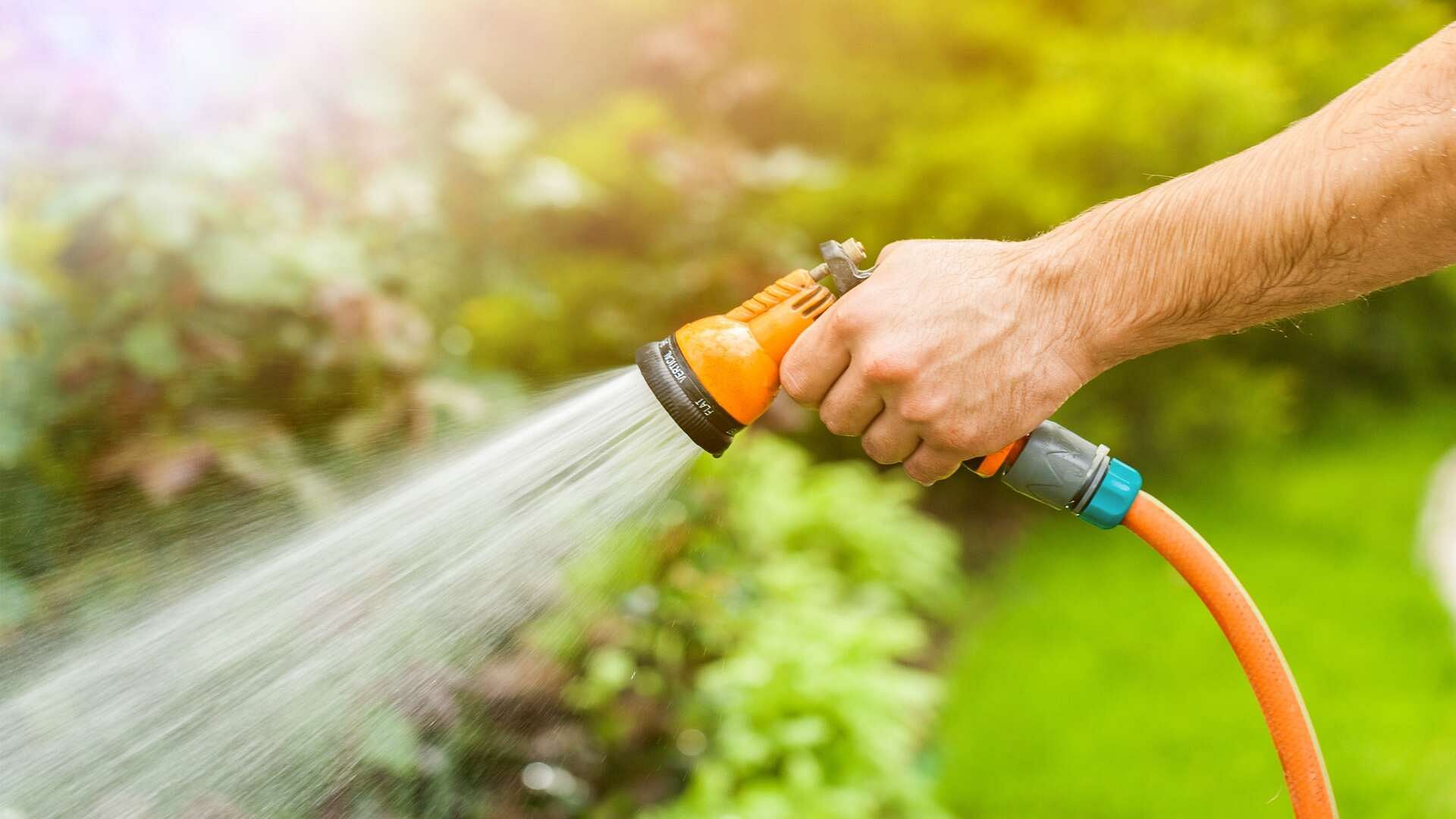
The act of flushing cannabis plants ahead of harvest, a widely practiced technique among cultivators, is a process believed to enhance the quality of the final product. Flushing involves stopping the use of nutrients and feeding cannabis plants only clean water, typically for the last week or two of the flowering cycle, in a bid to reduce nutrient build-up and prevent harsh, acrid flavors when it comes time to smoke. But as cannabis cultivation and research evolves, the techniques once considered gospel evolve, too.
Recent studies have led some to question the value – and indeed, the very point - of this long-held practice. Is flushing cannabis really necessary? Does it really provide the benefits growers have been led to believe? Let’s take a closer look and see if this traditional step in the cultivation process holds up to scientific scrutiny.
What is Flushing Cannabis?
Flushing, also known as leaching, refers to the practice of feeding cannabis plants only pure water in the final week (or two) before harvest. The theory behind this method is that doing so will eliminate any remaining nutrients in the growing medium, leading the plant to "use up" the last reserves of any excess nutrients stored within its tissues, resulting in what growers and smokers typically describe as a smoother, cleaner, and more flavorful final product.
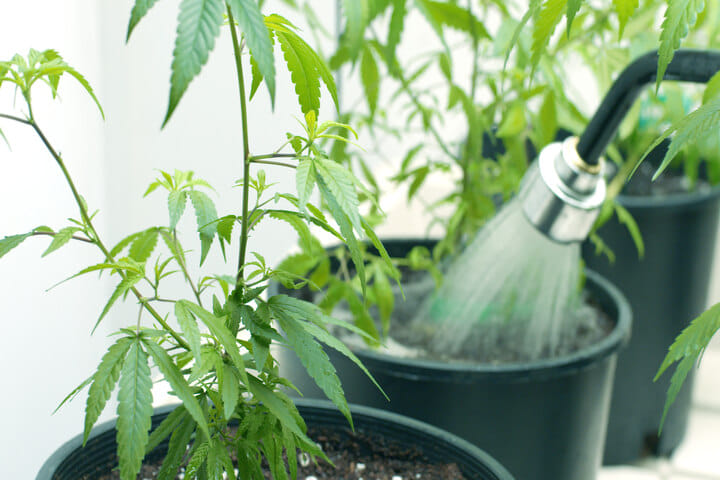
The long-held belief was that if nutrients remained in the plant at harvest time, they could contribute to harsh smoke or an undesirable chemical taste – and this has been borne anecdotally for years. By “flushing out” excess nutrients, growers thought they could improve the overall quality of their cannabis buds.
How Cannabis Flushing is Performed
The flushing (leaching) process is a straightforward one. Typically, during the last 7-14 days of the flowering stage, growers will:
Stop Using Nutrients: All fertilizers and nutrient additives are removed from the feeding schedule.
Provide Clean Water Only: The plants are watered with pure, pH-balanced water to help wash away any excess nutrients in the soil, coco coir, or other growing medium.
Monitor Water Runoff: Some growers will check the runoff water (the water that drains out of the pots) for electrical conductivity (EC) levels to gauge how much of the nutrients are being flushed out of the medium.
The expectation is that as the plant receives only water, it will metabolize and use up its nutrient reserves, leaving less behind in the buds when harvested. Sounds worthwile, for sure.
The Purported Benefits of Flushing Cannabis
The benefits to flushing cannabis, according to its proponents, are several:
Improved Flavor: Often cited as the main reason for flushing cannabis is to avoid harsh tastes, many describe as being chemical-like. It’s long been reckoned that residual nutrients in the plant can affect the flavor profile negatively, leaving a bitter or acrid aftertaste.
Smoother Smoke: Growers have long argued that flushing helps prevent the smoke from being harsh or irritating to the throat and lungs. The logic is that fewer nutrients mean a cleaner and purer combustion when smoking.

Cleaner Burn: Well-flushed cannabis is said to burn cleaner, producing a nice white ash, while unflushed or incorrecly flushed cannabis may leave behind a darker, more resinous ash.
For many years, these supposed benefits made the act of flushing a near-standard practice among both home and commercial growers. However, recent evidence suggests that the practice may not be as necessary—or even as effective—as once thought.
Is Flushing Cannabis Really Necessary?
As cannabis cultivation moves ever-deeper into more scientific territory, the act of flushing has come under some serious scrutiny. The cannabis industry has evolved to become more professionalized, and more growers are asking: Is flushing cannabis necessary? A groundbreaking study conducted by RX Green Technologies in 2019 aimed to answer this very question.
The RX Green Technologies Study
In their study, RX Green Technologies sought to compare the effects of flushing versus not flushing on the quality of cannabis. The study involved growing cannabis plants under identical conditions, with one group receiving no flushing and another being flushed with water during the final two weeks of flowering.
The researchers then analyzed the final product through both lab testing and consumer feedback, including testing for cannabinoid and terpene content, smoke quality, and overall satisfaction from a blind panel of cannabis users. Surprisingly, the study found no significant difference in the flavor, smoothness, or overall quality between the flushed and unflushed cannabis.
In fact, some participants in the blind taste test even preferred the unflushed buds, citing a more robust flavor and smoother smoke – flying completely in the face of previous conventional consensus. Lab results also showed that cannabinoid and terpene levels remained consistent between the flushed and unflushed plants, further suggesting that the perceived benefits of flushing may be more myth than reality.
The Case Against Flushing
The RX Green Technologies study was one of the first to publicly challenge the accepted wisdom surrounding flushing, and its findings raise important questions for growers everywhere. If the benefits of flushing cannabis aren't as clear-cut as previously believed, why should growers continue the practice?
Here are some reasons flushing may not be as advantageous as once thought:
Nutrient Starvation
Flushing cannabis plants for an extended period may actually lead to nutrient starvation. As plants enter their final stage of flowering, they still require a range of essential nutrients to fully develop the cannabinoids and terpenes responsible for the plant's potency and aroma. By withholding nutrients too early or for too long, you may inadvertently reduce the overall quality and yield of your crop.
Flavor Isn’t Just About Nutrients
It’s important to remember that the flavor of cannabis is influenced by many factors, not just the presence of nutrients. Terpene content, drying, and curing processes all play a significant role in the final flavor of the bud. As such, the assumption that stored nutrient residues alone are responsible for harsh or unpleasant flavors may be overly simplistic.
Scientific Evidence is Lacking
Aside from the RX Green study, there is limited scientific evidence supporting the benefits of flushing cannabis. While anecdotal evidence from growers has long suggested that flushing improves smoke quality, these claims have not been substantiated by rigorous scientific research. Until more studies are conducted, it’s difficult to say definitively whether or not flushing cannabis truly offers the benefits often attributed to it.
Should You Flush Your Cannabis?
So, after all this discussion, is flushing cannabis necessary? The answer depends on a variety of factors, including personal preference, growing medium, and nutrient regimen. Here’s a breakdown of considerations for growers who may be undecided on whether or not to flush:
For Soil Growers
If you’re growing in soil, the decision to flush may be less critical. Soil acts as a natural buffer, preventing nutrient build-up in the same way that hydroponic systems can. In fact, flushing in soil can sometimes do more harm than good by disrupting the balance of microorganisms in the soil that support healthy plant growth.
Should Hydroponic Growers Flush Their Cannabis?
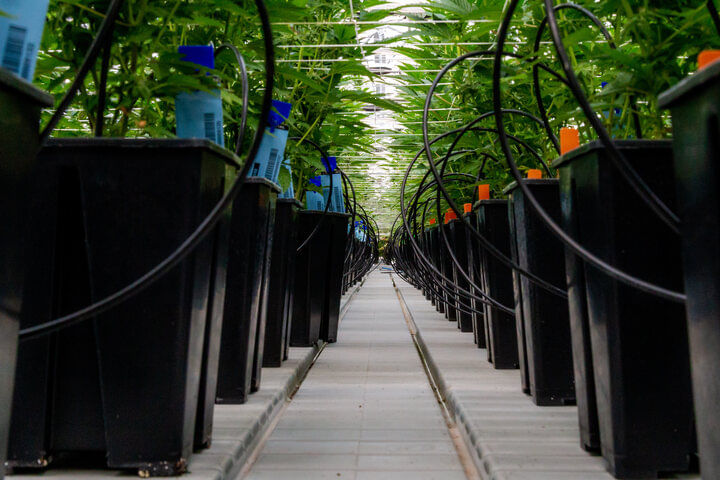
In hydroponic systems, where plants rely solely on the nutrients provided by the grower, a flushing process may be more beneficial—theoretically, at least. Since hydroponic mediums don’t retain nutrients the way soil does, some growers believe that hydro flushing can help remove excess salts and fertilizers that might otherwise affect the final taste.
Should Flushing Cannabis Come Down To Personal Preference?
Ultimately, whether or not you should flush your cannabis is a personal decision. Some growers swear by it and won’t harvest a crop unless cannabis plants have been properly flushed, while others find it unnecessary or even detrimental. It’s worth experimenting with both methods to determine what works best for you and your plants. Regardless of what the studies say, if you feel you personally see a benefit from flushing, or you think it’s a waste of time – you’re right, and we’re not going to tell you differently.
Conclusion: Flushing Cannabis—Old Myth or Time-Tested Practice?
Flushing cannabis plants before harvest, long believed to lead to improved taste and smoothness, is a practice that has seen its fair share of debate. While traditional wisdom has held that flushing removes excess nutrients and results in a cleaner final product, recent studies like the one conducted by RX Green Technologies suggest that there may not be a significant change, and the benefits may not be as pronounced as previously believed.
As the cannabis industry continues to grow and evolve, more scientific research will be necessary to determine whether flushing truly has a place in modern cultivation techniques. In the meantime, growers should feel free to experiment, trusting their own observations and results to determine whether flushing cannabis is necessary for their particular grow.
After all, whether you choose to flush or not, the best judge of your product’s quality will always be the experience you—the consumer—have when it’s all said and done.
So, is flushing cannabis plants really necessary? Perhaps not as much as we once thought.