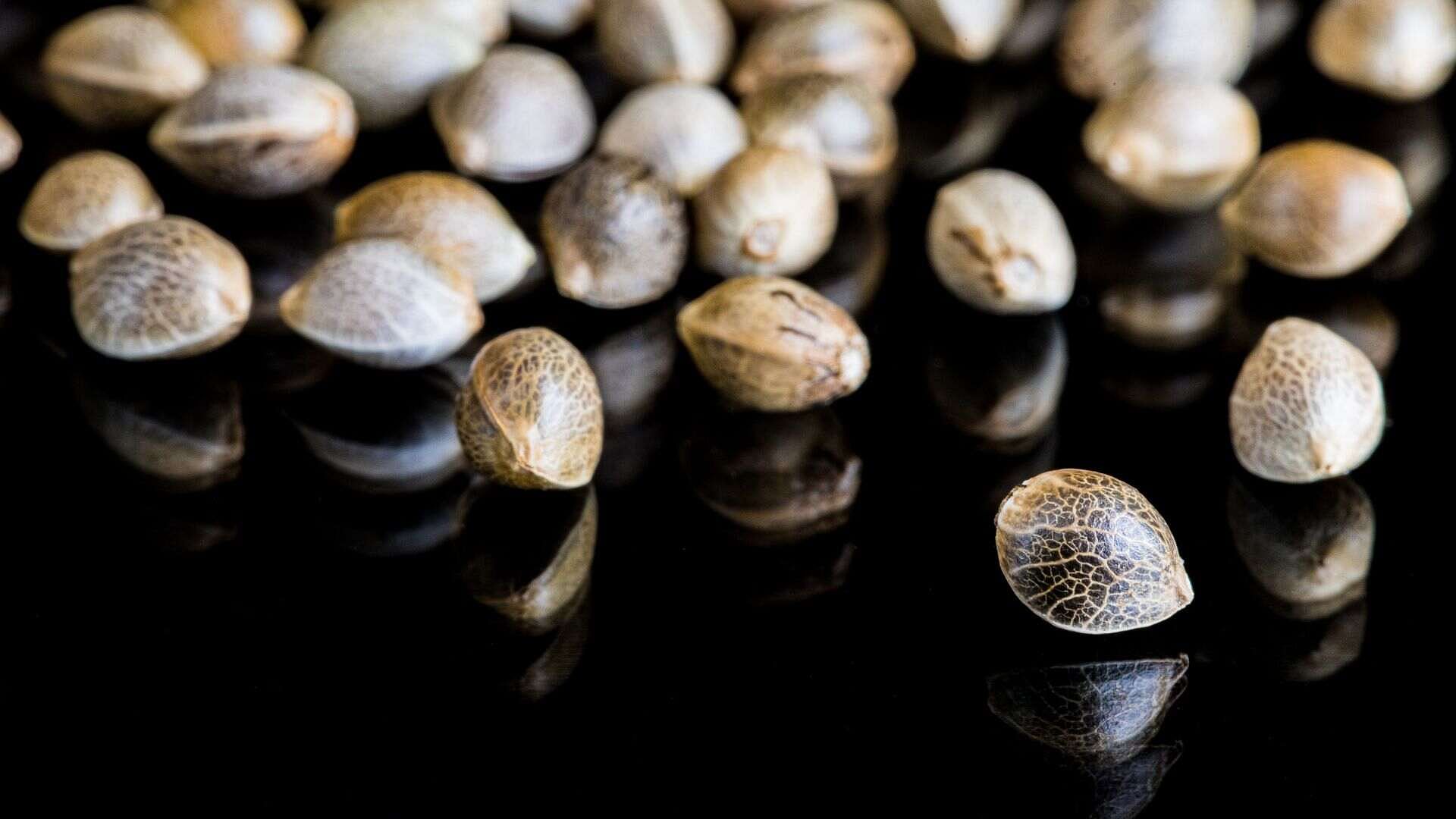
The marijuana plant has been providing medicine and wellness to many people for many centuries. In the last 70 years or so, we have seen a significant improvement in many aspects of cultivation, breeding, and generally novel innovative practices. From autoflowering, to rare cannabinoid dominant lines, such as CBG and THCv, the advancement is very impressive. One of the major turning points in cannabis seed development was the production of seeds which were nearly all females. Breeders started experimenting in the 1980’s and 1990’s but by the 2010’s the techniques had really progressed. Here we look at both feminized and non-feminized AKA regular seeds and discuss the differences between them.
Welcome To Amazonia – Female Seeds Only, Please!
As stated, cannabis seeds come in two major groups, feminized and regular. A regular batch of seeds usually has a mix of male and female seeds, often at around a 1:1 ratio. Feminized seeds however do not generally have males in the population, or at least the ratio of true females is much higher, and many breeders only releasing batches of 4000:1 true females and above. The reason breeders and growers wanted feminized seeds was to avoid having to pick through their developing plant eliminating the males, only to find they missed one and their beautiful harvests are now laden with seeds. Seeded cannabis flower is more problematic to smoke. Smoking a cannabis cigarette with seeds in it can be very unpleasant, as the seed doesn’t contain anything worth inhaling. It makes for a strange taste, the seeds also pop under the heat, and generally ruin the smoking experience for the consumer.
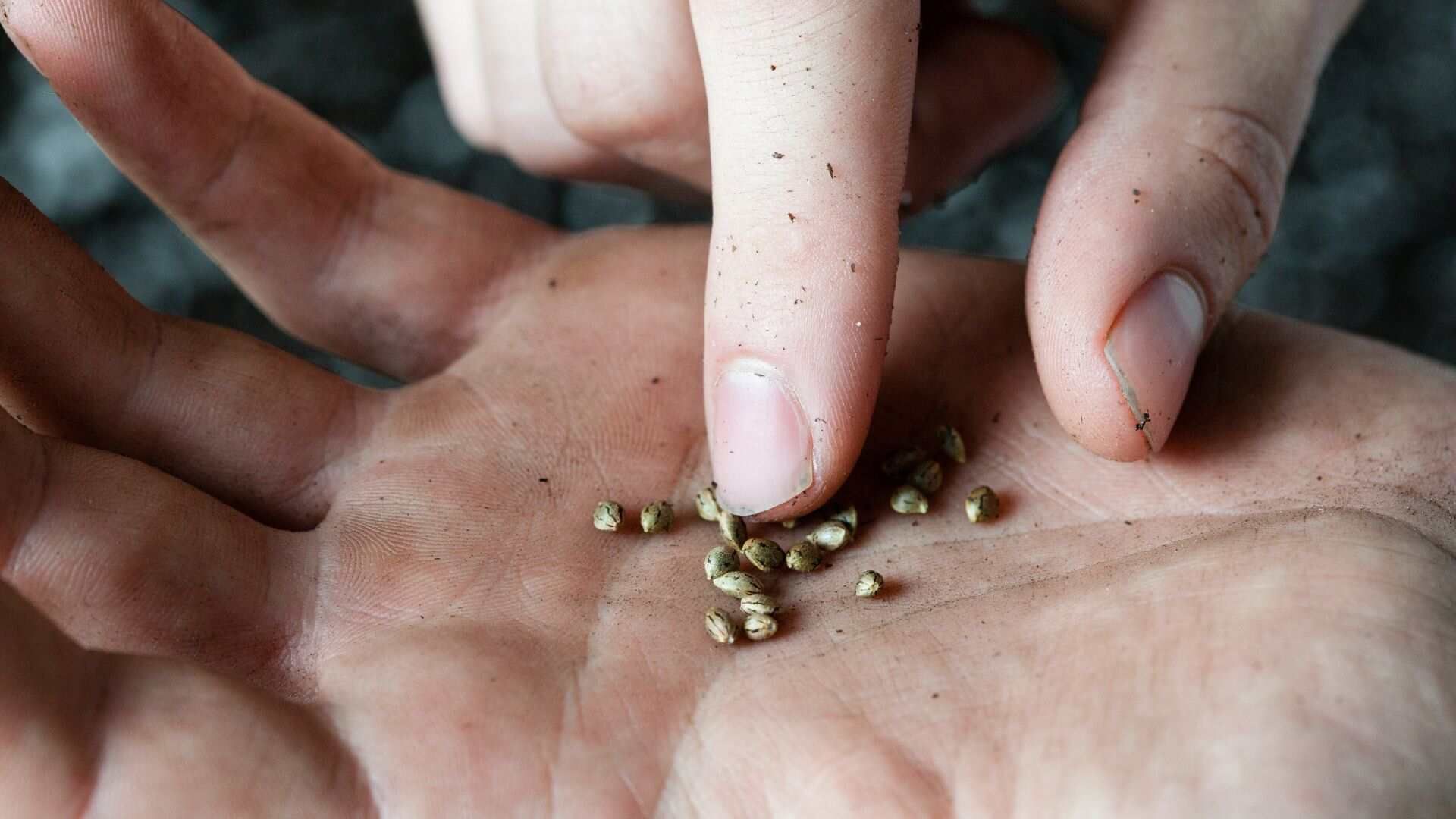
Feminized seeds were the answer to an age-old problem. Feminized seeds prevent the grower from germinating more seeds than they need. Also, if the grower has limited space, non-feminized seeds can be a massive drain on the limited resources, all efforts in the end may lead to a half empty room grow due to male culling. Mother and clones were the original fix to this problem, but of course, maintaining mother plants, or transporting clones around had a whole host of other problems.
Why Are Some Cannabis Plants Male, And Some Female?
In many species, such as humans, sex determination is based on the X and Y chromosome system, i.e. chromosomes tend to pair up, and X can pair with X or X can pair with Y this is what makes the ‘sex’ chromosomes different from the rest. This is also true in cannabis. Basically, at the sperm and egg level (collectively called gametes), each ‘half’ genome will contain either an X or a Y chromosome. When they come together to create a fertilized embryo, the possible combinations are either XX or XY, as females can only contribute an X but males can contribute either an X or a Y. Typically, individuals with two X chromosomes (XX) develop as females, while those with one X and one Y chromosome (XY) develop as males. The presence of the Y chromosome usually determines male development, but as with humans, the early developmental default state is female. The Y chromosome creates a shift in the hormones produced at a certain point in development and suppresses the development of female embryos, making them develop as males instead. This is a natural process.
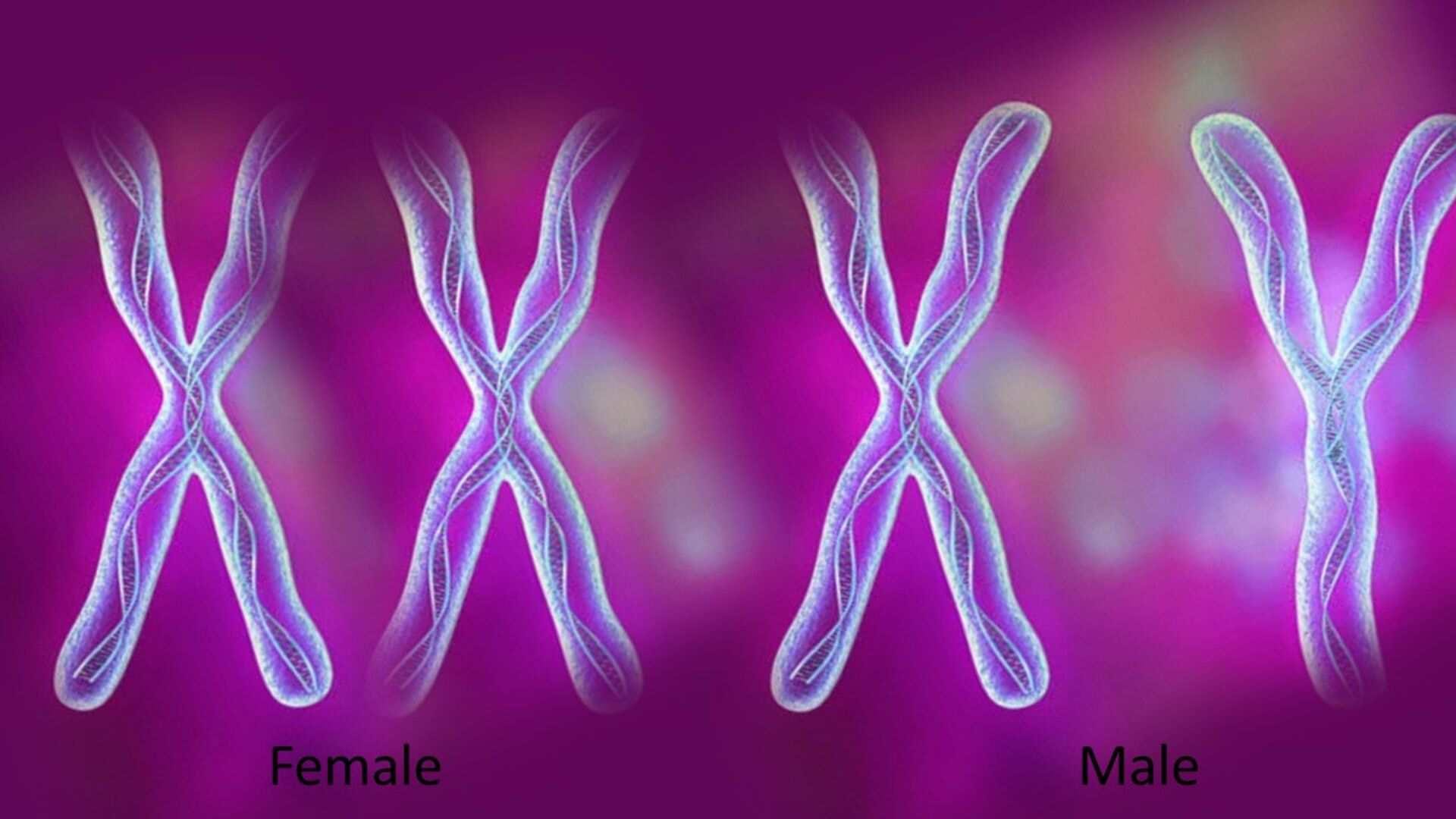
In the context of cannabis cultivation, when feminized seeds are created using pollen from a female plant treated to produce male flowers, the pollen only carries X chromosomes. This means when this pollen fertilizes another female plant, the resulting seeds will be XX (female), as there is no Y chromosome involved in the process. Therefore, using pollen that only carries X chromosomes doesn't result in a modified genotype, or any sort of GMO, it simply ensures the absence of the Y chromosome, and hence, male plants are not produced. This method is commonly used to produce crops consisting entirely of female cannabis plants. As the default state for the seeds is female, there is no real interference at the genetic level to change the genetics of the plants, they simply do not have a Y in the equation, therefore no male plants can develop.
Issues With Feminized Seeds
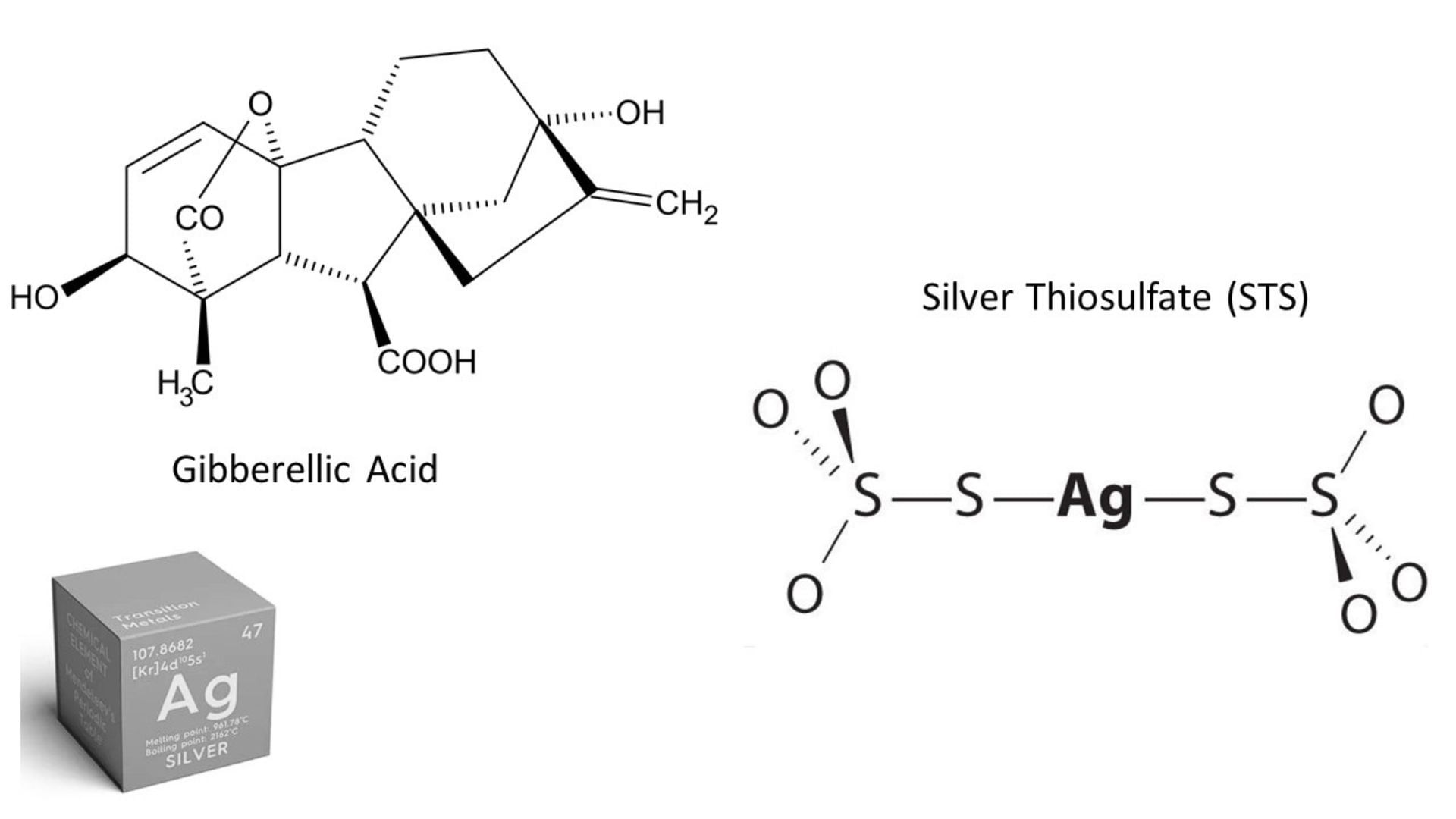
Early iterations of feminized seeds were plagued with problems. There seemed to be a high occurrence of the female seeds producing pollen spontaneously or at least under the slightest stress. Early versions of feminized cannabis seeds often had a higher occurrence of hermaphroditism (females plant producing pollen), because the methods used to induce feminization were less refined, new to cannabis and therefore unreliable. Initially, intense stress techniques were used to force female plants to produce pollen, but these methods often led to genetic instability, increasing the likelihood of unhelpful traits such as hermaphroditic tendencies. Over time, the processes for creating feminized seeds improved significantly. The use of more precise hormonal manipulation methods, such as treating plants with silver thiosulfate (STS) or gibberellic acid, has become standard. These methods are more effective in inducing female plants to produce pollen without the same level of stress, leading to a lower incidence of unwanted traits such as hermaphroditism in the resulting seeds. This progress has made feminized seeds more reliable and stable, reducing the risk of unintentional male characteristics in cannabis crops.
The Regular Rhetoric – Advantages Of Regs
Many growers and breeders will swear by regular seeds, claiming feminized are inferior in various ways. Most of these arguments have very little science at their base. However, an individual grower or breeder’s experience might tell them they have achieved better, more consistent results from using regular seeds. It is pointless to argue against this observation as it might be true, however the rationale behind this observation is usually not well developed. Some people get better results with LED than HPS, and some kill it using hydroponics whilst others maximise soil grown. Cannabis cultivation is very much 'horses for courses', as they say. So those who use regulars will probably get better results than they do with feminized, but not to say one is better than the other. It simply depends on who’s hands they are in. One thing is for sure, feminized seeds aren’t different from female seeds in a regular pack, they just are not. Feminized seeds are essentially the same as the female seeds found in regular seed packs in terms of traits. Traits that a male parent can pass on to its offspring are equally likely to be present in feminized seeds because if a female plant is used to produce pollen, it will likely transmit any traits it inherited from its male parent. In essence, the genetic makeup of feminized seeds reflects a combination of traits from both male and female parents.
How To Make Feminized Seeds
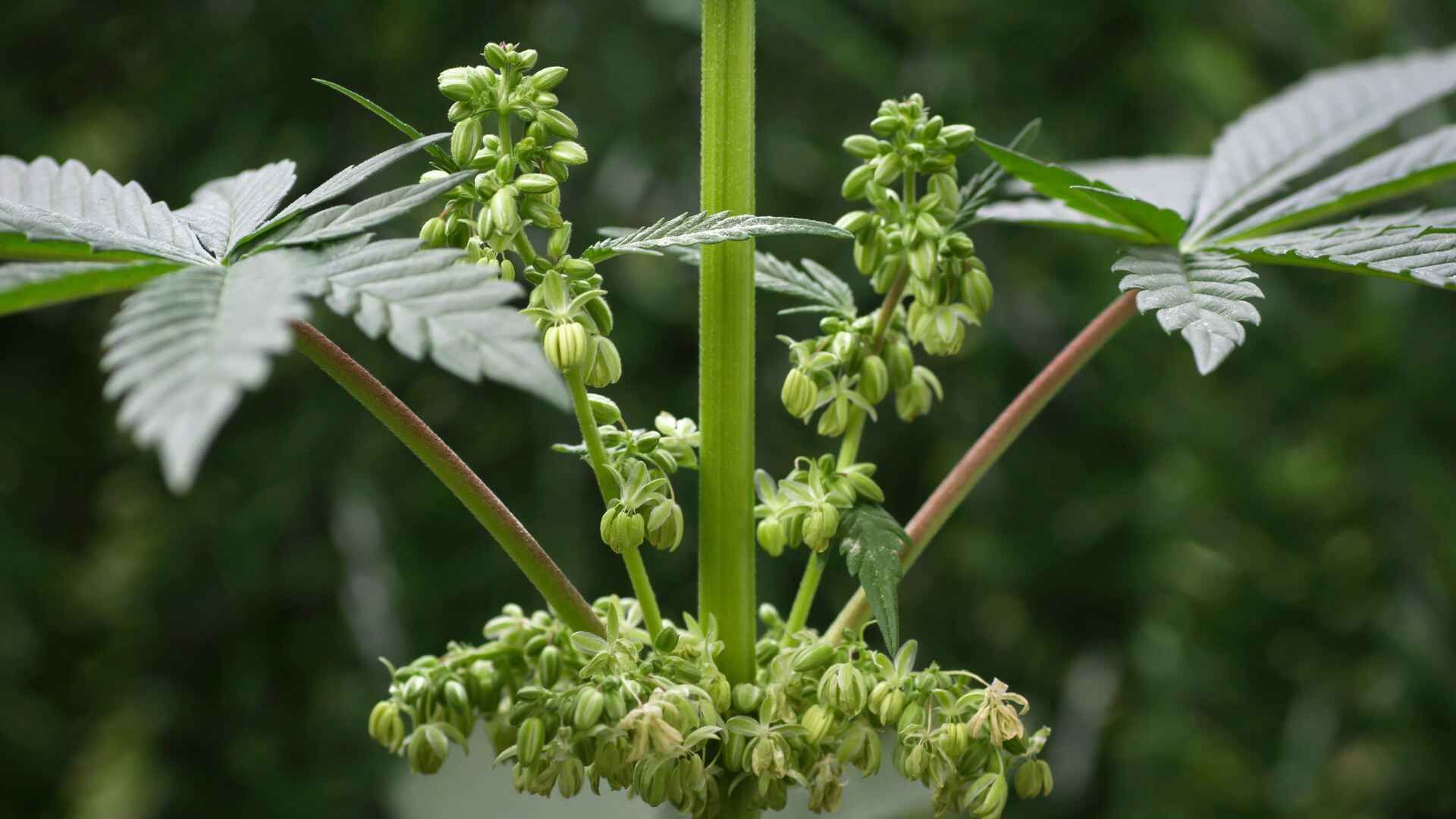
The following methods are focused on altering the hormonal balance within female plants to induce male flower production. The pollen from these ‘male’ flowers carries only X chromosomes, so when this pollen is used to pollinate other female plants, only female seeds are produced. These techniques are widely used in cannabis breeding to ensure a crop predominantly consisting of female plants, which are desirable for their cannabinoid-rich flowers. Generally, the timing of the application often in spray form, in coordination with the right concentration/dilution of the chemical, are two elements that can vary the effectiveness due to the cultivar differences.
Colloidal silver is commonly used in cannabis cultivation and breeding to induce pollen in female plants, this technique creates feminized seeds. When sprayed with colloidal silver, which inhibits ethylene production (a hormone involved in many processes and active in sex differentiation), the female plant can develop male characteristics, including pollen sacs. This pollen, when used to fertilize another female plant, will result in seeds that are genetically female because both 'parents' are genetically female. This process is commonly used by breeders as male plants do not produce buds rich in cannabinoids and will cause seed development in other female flowers. Silver Thiosulfate Solution (STS) is a common substitute to colloidal silver STS, it is effective in suppressing ethylene also. It promotes the development of male characteristics in female plants, thus producing pollen for feminizing seeds. Gibberellic Acid is a hormone involved in germination and other process can also be used to induce the formation of male flowers on female cannabis plants. It's less commonly used and tends to have a short shelf life when in liquid form, hence it is less popular.
Conclusion
The progression of cannabis seed development, particularly the introduction of feminized seeds, provides the industry with a more efficient and more diverse genetic starting material. The initial challenges with feminized seeds, such as increased hermaphroditism due to stress-induced methods, have largely been solved for to date. However, the refinement of feminization techniques underscores the adaptability and innovation in this field. The ongoing debate between the use of regular and feminized seeds show how diverse cultivation practices and preferences are. The success of a cannabis grower is not solely dependent on seed type but also on the grower's skill, experience and the environment they have to grow in. This evolution in cannabis seed technology mirrors broader trends in agriculture towards more controlled and predictable outcomes, catering to specific needs and preferences. Whether you are a fan of ‘femz’ or not, hopefully you now know that they are not GMO, they are not genetically different from female seeds, and they can produce as heavy a yield as regulars and can be as potent as regulars, too.