


As gardeners, we often face the question of what to do with old plant material once a crop has been harvested or seasonal plants have completed their life cycle. Utilizing this biomass sustainably and beneficially is suitable for your garden and the environment.
In nature, plants shed their leaves, which creates diverse ecosystems on the forest floor. This consortium of decaying organic matter provides homes for slugs, snails, salamanders, and a wide variety of insects, including worms and beetles. These creatures break the organic matter into smaller pieces, then broken down by microorganisms such as bacteria and fungi. The residue and waste left behind is called humus, a nutrient-rich fraction of the soil horizon that provides plants with nutrients and minerals.
Managing our soil ecosystems by intentionally leaving the old plant material is an excellent way to allow nature to cycle the nutrients stored in the plant material back into the soil to feed future gardens. We can manipulate this natural cycle and speed up the process by creating compost.
It is essential to acknowledge that 40% of landfills could be composted at home, so while you are composting your gardens' plant material, adding your kitchen scraps to the mix is an excellent idea. These additional materials will introduce different nutrient profiles, enzymes, and sugars that appeal to various microorganisms.
This article will explore several methods of managing old plant material, focusing on composting, fermentation processes, and direct soil amendment.
Composting: Turning Waste Into Gold
Composting is a process of recycling decomposed organic materials into a rich soil amendment known as compost. Every great potting mix includes a portion of compost, and what better way to impart your terrier than by creating your own and using it to feed next year's plants? Several methods of composting cater to different needs and conditions. You can choose the one that will best suit your lifestyle and resources.
1. Thermophilic Composting:
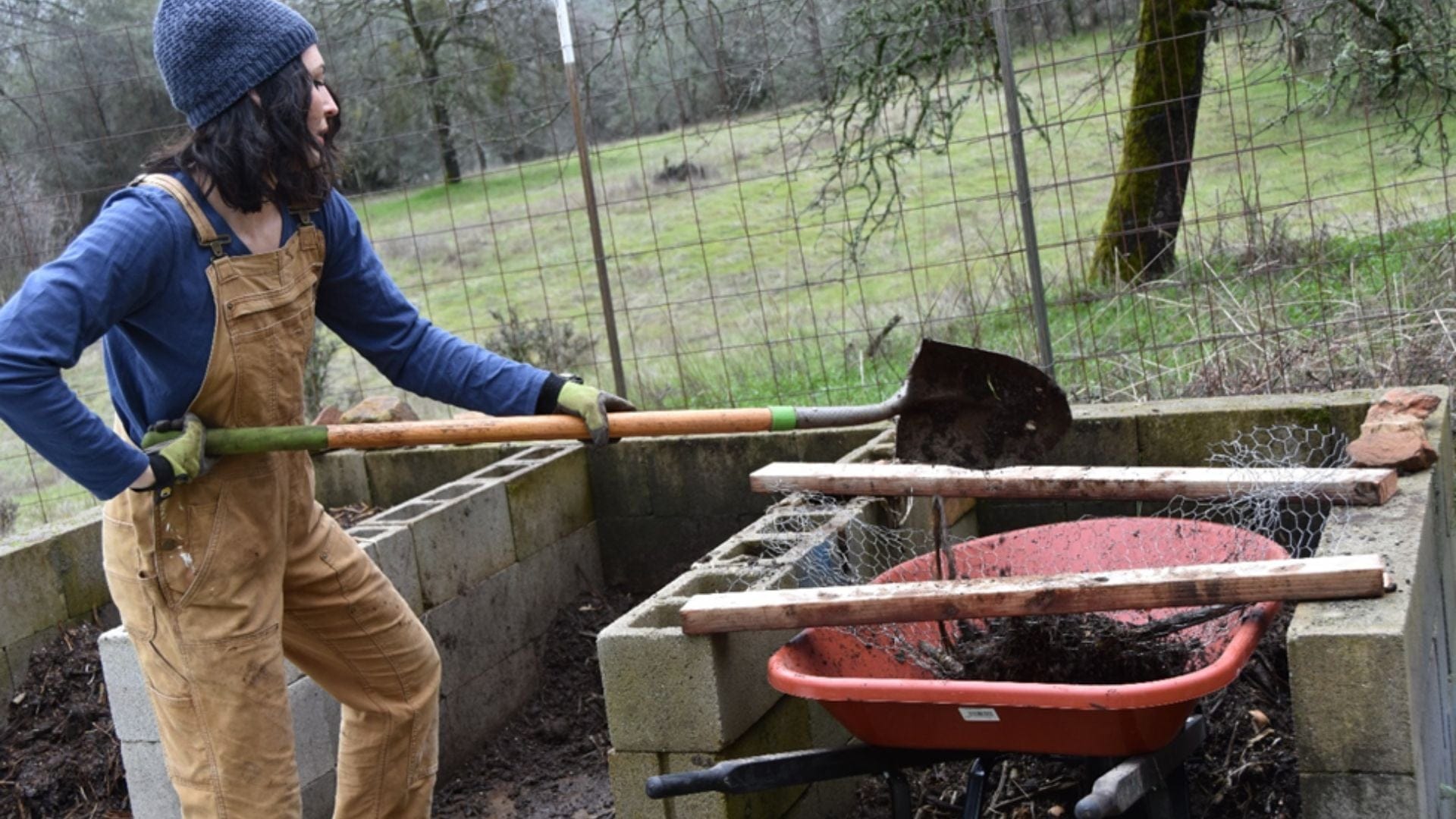
Thermophilic composting is a fast-paced method that relies on high temperatures to break down organic matter quickly. It involves creating a compost pile with a balance of 'greens' (nitrogen-rich materials like fresh plant matter) and 'browns' (carbon-rich materials like dried leaves and branches). The heat generated by the microbes during decomposition can reach up to 140-175°F, which speeds up the process and kills pathogens and weed seeds.
This method requires consistent moisture and oxygen, meaning you must use a pitchfork or shovel to turn the pile and ensure proper moisture content. Your pile should be moist but not dripping, so take measures to cover it with a tarp or leave it exposed depending on the amount of rain your region gets. Additionally, the volume required is at least 1 meter by 1 meter, or 3 feet tall by three feet wide. This volume ensures the proper heat is generated. The bacteria create heat as they are busy digesting your plant material.
If this sounds too much, there are various other ways to compost that require less physical participation: static composting, worm composting, bokashi composting, or even static composting.
2. Static Composting
"Static composting is when organic materials are heaped together and left to decompose over time without mechanical aeration or turning. This method relies on natural microorganisms to break down the organic matter and produce a nutrient-rich soil amendment. This method is more of a set-it-and-forget deal. And can take upwards of a year to break down the organic matter.
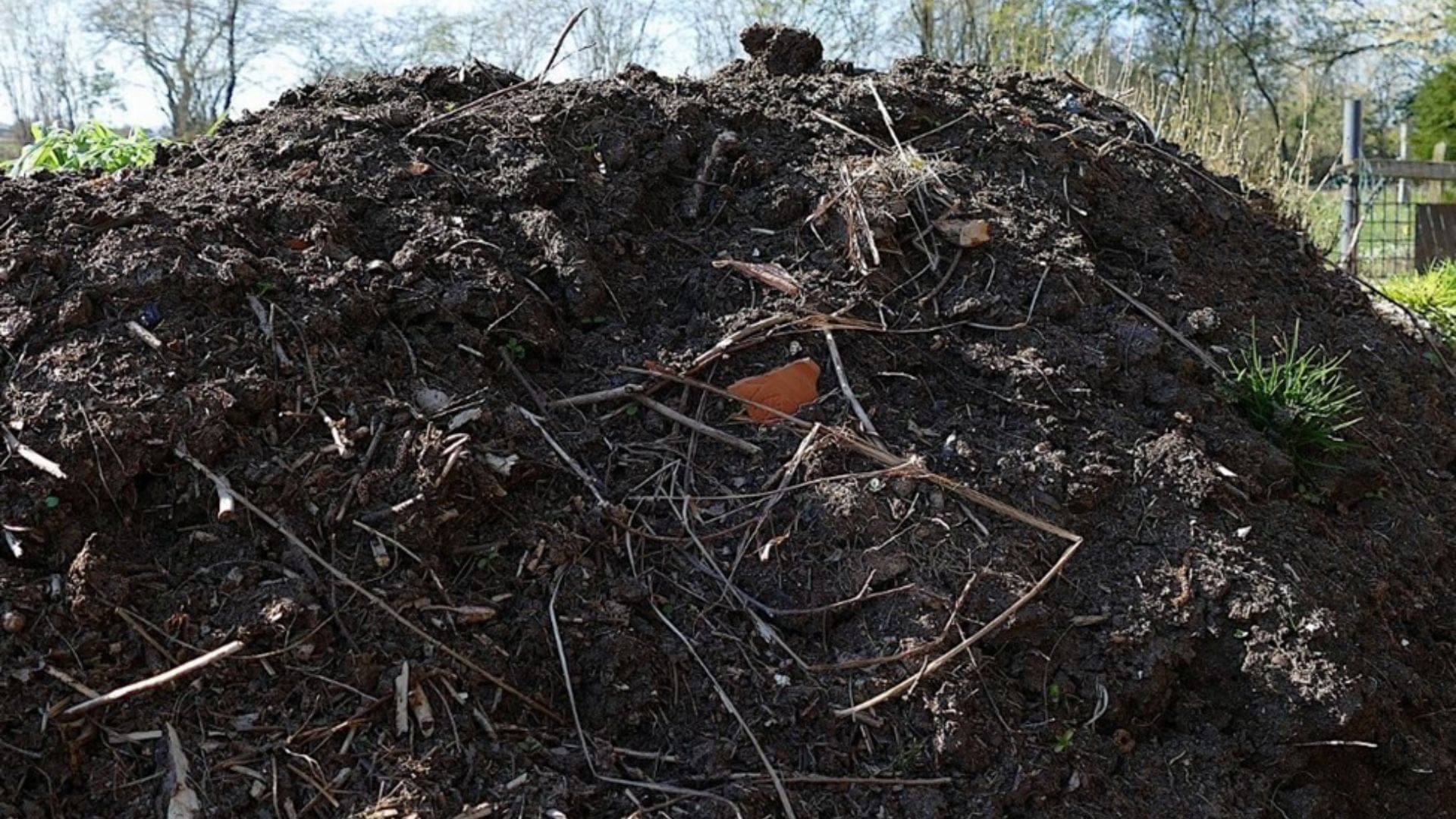
You can build a Johnson-Su Bioreactor to achieve similar results to thermophilic composting while utilizing static methods.
A Johnson-Su bioreactor is a type of composting system that uses a combination of static and aerated composting to accelerate the decomposition process and produce high-quality compost. The Johnson-Su bioreactor was developed by Dr David Johnson, a soil microbiologist who wanted to create a more efficient and sustainable composting method." – Irons, Alexandria. "Native Composting." Holistic Horticulture class Winter Soil Wellness, 2023
This compost system produces some of the best compost I have ever seen under a microscope. After travelling the country for an entire year looking at hundreds of soil and compost samples, the most microbially diverse and fungal active was from compost created in a Johnson Su bioreactor.
I highly recommend it if you have the resources to make one of these. Otherwise, you can leave your plant material in a pile and allow it to decay slowly. This process takes two years or more to produce anything remotely close to "black gold." Adding some red wigglers to your pile can speed up the process. These worms are efficient composters and can consume twice their body weight daily.
3. Worm Composting (Vermicomposting):
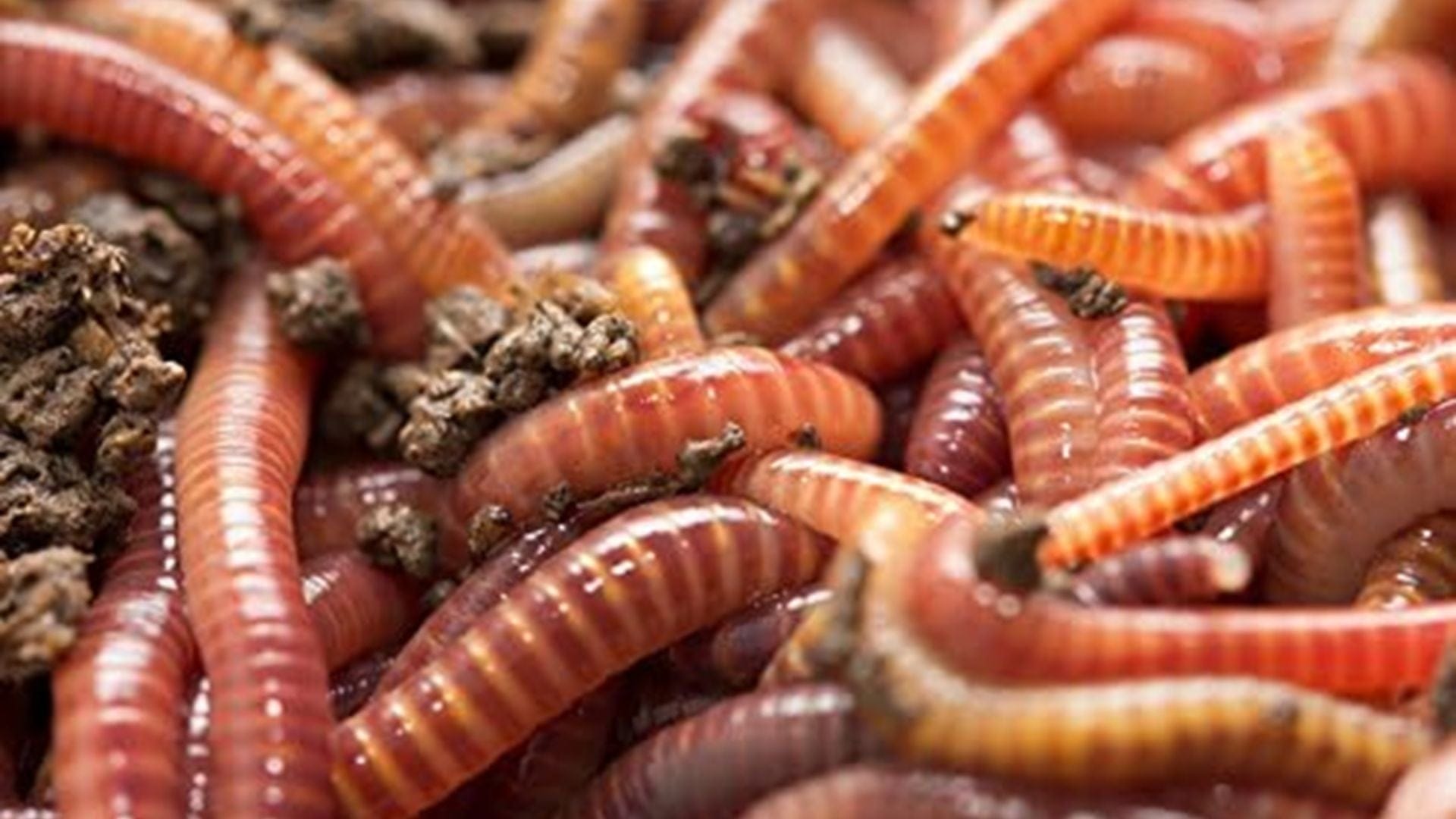
Worm composting, or vermicomposting, uses red wigglers or other composting worms to break down organic matter. This method is excellent for indoor composting or those with limited space. Worms consume old plant material and produce worm castings, a high-nutrient compost that is excellent for plant growth. You can make a worm bin with a few simple tools, such as a drill with a ¼ inch bit, a hard plastic tote, and worms.
Place all your plant material in the tote with worms, and they will eventually consume everything, turning it into worm castings, which contain a wide range of beneficial bacteria and fungi in addition to a concentrated ratio of N-P-K.
Keep your worms above freezing throughout the winter, and they will turn all your plant material into nutrient-rich castings by Springtime. If you have a lot of plant material, you can help them by adding bokashi.
4. Bokashi Composting:
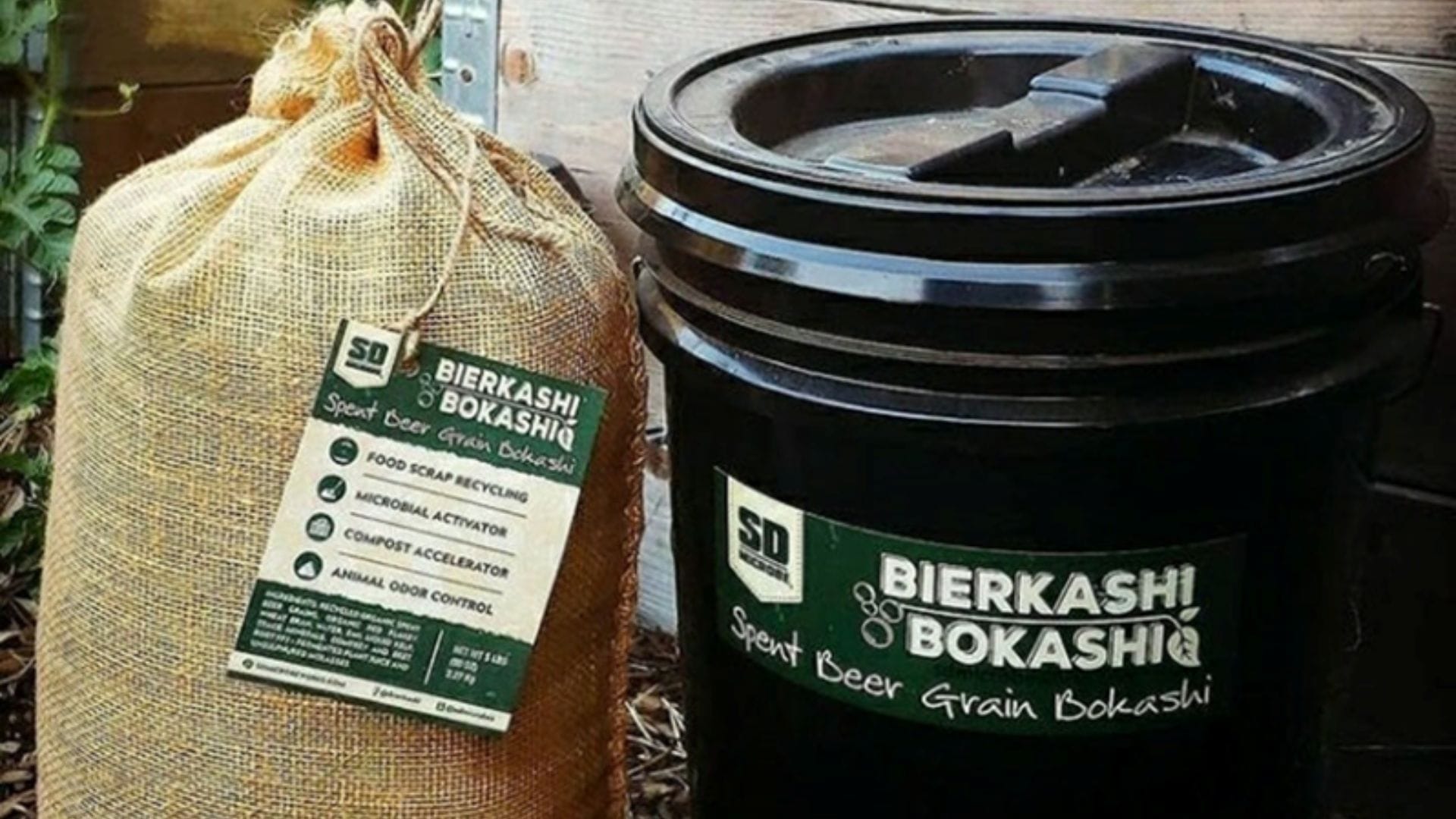
Bokashi is an anaerobic process that ferments organic waste, including items not typically composted, like meats and dairy products. This method uses a special inoculant to ferment the waste in a sealed container, resulting in a quick breakdown of the material and producing a nutrient-rich juice that can be diluted and used as a plant feed or soil conditioner.
Because bokashi bins are sealed and produce pressure that requires off-gassing, they may not be suitable for large quantities of plant materials. But you can sprinkle bokashi grains on your worm bin, compost pile, or on top of plant material left to decay naturally on your soil surface. While it won't be utilizing fermentation, it will aid in decomposition.
Fermentation: Harnessing Microbial Power
You can make specific natural farming fertilizers like Fermented Plant Extract (FPE) by utilizing the power of fermentation. This type of fertilizer is part of the Korean Natural Farming practice and can be made with your plant material.
Fermented Plant Extract (FPE) Recipe
For an FPE, you will want to start with as fresh plant material as possible. You can make it immediately after harvesting or cleaning up your plant.
· 3 gallons of filtered water
· 4oz LAB (lactobacillus or EM1)
· 4oz molasses
· 3lbs plant matter
Step 1. Combine all ingredients in a five-gallon bucket with a tight lid and an airlock.
Step 2. Wait about a week and start checking the PH in the centre of the mixture.
Step 3. When it hits 3.5ph or below, you can bottle it and use it diluted as a fertilizer throughout your next indoor growing cycle.
Step 4. The application rate is 1-2 oz of ferment per gallon of water for root drench.
If making a ferment or composting your plant material doesn't seem like something you want to do, you can let nature take care of it.
Soil Amendment: Feeding the Microbiome
Instead of removing old plant material, chop it up and leave it on the soil surface as mulch. This practice contributes to the 'no-till' gardening method, which maintains soil structure and supports the complex web of microorganisms within the soil.
Chopped plant debris is a mulch that protects the soil from erosion, retains moisture, and suppresses weed growth. As it decomposes, it provides a steady supply of organic matter and nutrients, feeding the soil microbiome.
Leaving mulch on the soil surface during the winter can provide your microbial organisms with a food source. As the plant material breaks down, it creates a habitat for beneficial fungi and bacteria, making nutrients more available to plants.
Leaving your plant material on your soil surface can reduce erosion by limiting soil loss during heavy rains. This mulch slowly breaks down, adding organic matter and aeration to your soil, improving its tilth.
Ideally, you would break down your plant material into small pieces, 1-4" in size and cover the plant material with compost, cover-crop seeds, and straw. You need at least three weeks of frost-free time for your cover crops to germinate. Once these seeds have established, certain species like winter peas, hairy vetch, winter rye, and bell beans can withstand below-freezing temperatures and will contribute to your soil health overwinter.
If you don't have access to cover crop seeds, straw, or compost, you can leave your plant material on the soil surface, and it will continue to contribute to your outdoor garden all winter long.
This plant material contains the nutrients you spent all summer feeding your plant, so why not allow them to go back into the soil through microbial digestion?
Conclusion
Managing old plant material through composting, fermentation, and direct soil amendment is a holistic approach that enriches the soil, supports biodiversity, and promotes sustainable gardening practice. By understanding and implementing these methods, gardeners can ensure that nothing goes to waste and that their gardens remain productive and healthy year after year.


