Selecting the right cannabis genetics, whether from seeds or clones and whether for indoor or outdoor cultivation, has become increasingly nuanced. It's no longer a simple choice between THC content and sativa or indica strains. Now, with fast-flowering varieties readily available, the landscape is more complex. These 'fasts' or 'early versions', similar to early-maturing vegetables, have been bred or evolved for quicker maturity, maximizing adaptability in agriculture. For outdoor cannabis growth, this means harvesting earlier in the season, or even planting later in the season. Indoors, it translates to shorter life cycles, allowing multiple harvests yearly, optimizing space and energy use, and ultimately leading to a quicker return on investment. Such early cannabis varieties not only provide prolonged harvest periods but also strategic benefits like pest deterrence and protection from frost or mould.
What Are 'Earlies'?
'Earlies', also known as "early maturing" vegetables or "early versions", are vegetable types selectively bred or naturally adapted to mature more swiftly than their standard or late-maturing kin. This shift highlights the importance of adaptability in farming, allowing farmers the chance to benefit from longer growing seasons or to enjoy multiple harvests within one season. Similarly, in cannabis plants, naturally fast-flowering strains can deliver potent THC levels more rapidly. Typically, these varieties will be ready for harvest before the end of September, with different varieties finishing at slightly different times. These speedier strains, sometimes dubbed as 'fasts', 'fast flowering', 'quicks', or 'semi-full-term', are becoming increasingly prevalent.
While various terms exist, they all fundamentally point to the same idea: plants that mature ahead of their usual schedule. "Early" is an apt term for crops grown outdoors that are harvested earlier, while "fasts" is more fitting for those cultivated indoors, a nuance this article accentuates.
In essence, 'earlies' are the perfect fusion of nature's adaptability and human ingenuity, maturing much earlier than their standard full-term photoperiod cousins. This especially benefits those in more northern outdoor climates, for example, to avoid the wet season onset usually in October. Through intensive selective breeding, which can even lead to higher THC levels, early cannabis strains bring benefits like extended harvest windows, pest resistance, protection from frost and mold, and noteworthy financial returns.
'Fasts' In Indoor Cannabis Cultivation: Enhancing Efficiency and Yield
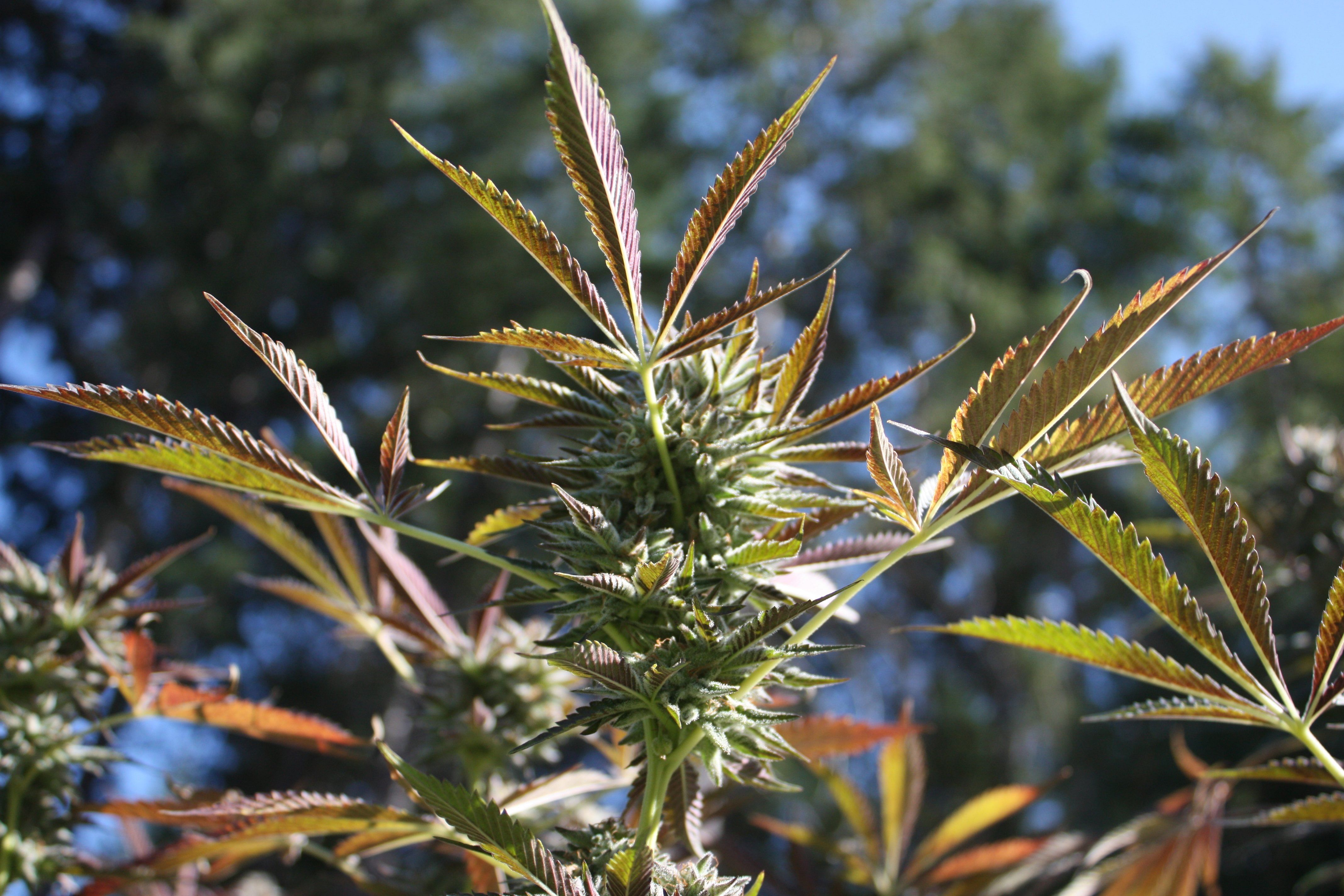
In indoor cannabis cultivation, 'fasts' efficiently utilize limited spaces, allowing multiple harvest cycles annually. Their predictable short life cycles bring about consistent and high-quality production, enhancing operational stability. The reduced life cycle of these fast versions also leads to energy savings, particularly in lighting, which translates to lower operational costs. Furthermore, the quick transition from seedling to harvest means 'fasts' deliver a rapid return on investment, vital for a profitable commercial cannabis operation.
Fast/Early Versions vs. Autoflowering Genetics
Both fast versions and autoflowering cannabis seeds provide rapid growth cycles, yet they're differentiated by their unique genetics, growth triggers and of course fast-growing. For cannabis cultivators, deciding between the two requires consideration of their specific cultivation objectives, environmental factors, and desired plant traits. Autoflowering strains aren't exclusive to high THC production, they can yield high CBD content just as fast flowering or photoperiod-dependent cannabis strains can.
Faster Flowering cannabis Strains (Fast Versions)
Fast versions can originate from traditional photoperiod strains, but they've been selectively bred for swifter flowering periods without the introduction of the ruderalis genetics seen in autoflowering seeds. These strains inherit many attributes from their parent strains but transition to the flowering stage quicker with the same light-dark cycles. The development of these strains aimed to facilitate earlier harvests for growers, offering potentially more harvest cycles for indoor growing due to the reduced flowering duration, are particularly beneficial for indoor cultivation.
Autoflowers
Autoflowering cannabis seeds incorporate the genetics of Cannabis ruderalis, a subspecies celebrated for its automatic flowering characteristics. Unlike other varieties, autoflowers don't depend on light changes to initiate flowering; they transition based on age. This built-in trait allows them to complete their life cycle quickly, often within 8-10 weeks from seed germination. Such a feature is valuable for growers wanting swift cycles or those located in areas with erratic light schedules.
| Flowering Type | Planting Window | Harvest Window |
| Autoflower | March-May | June-August |
| Photoperiod (indica) | April-Early May | Late September-October |
| Photoperiod (sativa) | April-Early May | October-December |
| Early (fast) | April-May | Late August-September |
Information in table provides a rough planting and harvesting guide per genetic type, based on Spanish climate.
Are Fasts Best For Beginners?
While autoflowers typically produce smaller yields compared to their photoperiod counterparts, partly due to the limited vegetative growth stage, fast versions can be vegetated longer, potentially compensating, allowing for a high yield. Controlling the veg time can help growers shape the plant and optimise their yields. The timing on the flowering doesn’t have to be crucial to still get a good result and fasts tend to be more forgiving to cultivate than autoflowering strains too. Moreover, while photoperiod cannabis seedlings thrive when potted into larger containers as they grow, autoflowering seedlings can struggle with transplanting, often not taking well to being uprooted. In many ways, fasts provide a middle ground, offering the best of both auto and photoperiod genetics and this makes fasts a good option for beginners.
Breakdown Of How The FAST Versions Work:
Genetic Selection for Quick Maturation
At the heart of early varieties lies genetics. Through generations of selective breeding, farmers and researchers have pinpointed and cultivated plants that exhibit the desired trait of quicker maturation. Over time, the selected traits become dominant in the genetic line, leading to stable early varieties. The type of cannabinoid, THC or CBD, doesn’t affect the ability of that lineage to flower faster. Neither does the sex, feminized seeds or not. Fast versions can be made by crossing autoflowering varieties with photoperiods of any type. You can produce autoflowers and full-term photoperiods in this cross too, of course; the first cross is not the one useful for making the seeds, and at least a second round from that cross is required to get a more predictable flowering time. Fast flowering can also be achieved through basic selective breeding, For example, starting with an already short flowering variety, a kush or skunk for instance, and driving towards faster flowering by selecting individual plants with shorter flowering time.
Shortened Growth Cycle
Compared to standard varieties, early varieties have a truncated growth cycle. This means they progress from germination to maturity in a reduced timeframe. For instance, early potato varieties might be ready to harvest in as little as 75 days after planting, whereas a maincrop variety might require 120 days or more. In any instance, fast versions work by tricking the plant into flowering before the usual photoperiod cue would suggest. Once triggered, the flowering process itself runs in a shorter duration. Traditional indica and sativa cannabis plants can have a similarly different scale, some short flowering time kush varieties flower in 8 weeks, whereas traditional sativa plants could run for 15 weeks. Fasts can deliver in some instances in as little as 6 weeks.
Strategic Farming Benefits
a) Extended harvest window allows growers to plant early varieties alongside standard or late-maturing varieties. This strategy allows for an initial early harvest, followed by one or more subsequent harvests from the later maturing plants.
b) Beat the pests as early maturing varieties often allow growers to harvest before peak pest seasons, reducing the potential damage and loss from pest-related issues.
c) Mold avoidance in regions with a short growing season or high humidity in the late season is paramount. Early varieties provide the advantage of harvesting a crop before the late-season issues can damage or kill the plants.
Cannabinoid And Terpene Profiles
Early varieties might sometimes have a slightly different taste, aroma, and even effect compared to their standard counterparts. In vegetables, earlies are tender, sweeter, and can even be almost fruity, which can be a treat for many consumers. However, in cannabis, early varieties are typically comparable to standard varieties, ensuring that consumers don't miss out on vital profiles, especially those with natural faster flowering times like those designated ‘kush’. However, while some early varieties might offer comparable taste and aroma to their full-term counterparts, others might exhibit subtle variations such as fruity to sweet, resulting in a slightly altered sensory experience. The effects, primarily driven by cannabinoid concentrations, namely THC and CBD, and the types of terpenes, might also vary, potentially presenting a milder or different character. Some longer flowering ‘haze’ type plants do not produce the same profile under shorter flowering times, so this is definitely something for breeders to work on. However, it's crucial to recognize that individual experiences can vary based on multiple factors, and what might be a subtle difference to one user might be more pronounced to another.
Economic Implications
For commercial cannabis growers, early varieties can represent a competitive edge. Being able to supply fresh flower to the market earlier than other growers can lead to better prices, especially when the supply is limited. Moreover, the ability to harvest multiple times in a season can lead to increased overall yields and profitability.
Adaptability To Climate And Soil
While early varieties are bred primarily for their quick maturation, they often come with added adaptability. Some might be more resistant to specific diseases, while others could be more tolerant to particular soil types or weather conditions, providing an additional layer of security to growers.
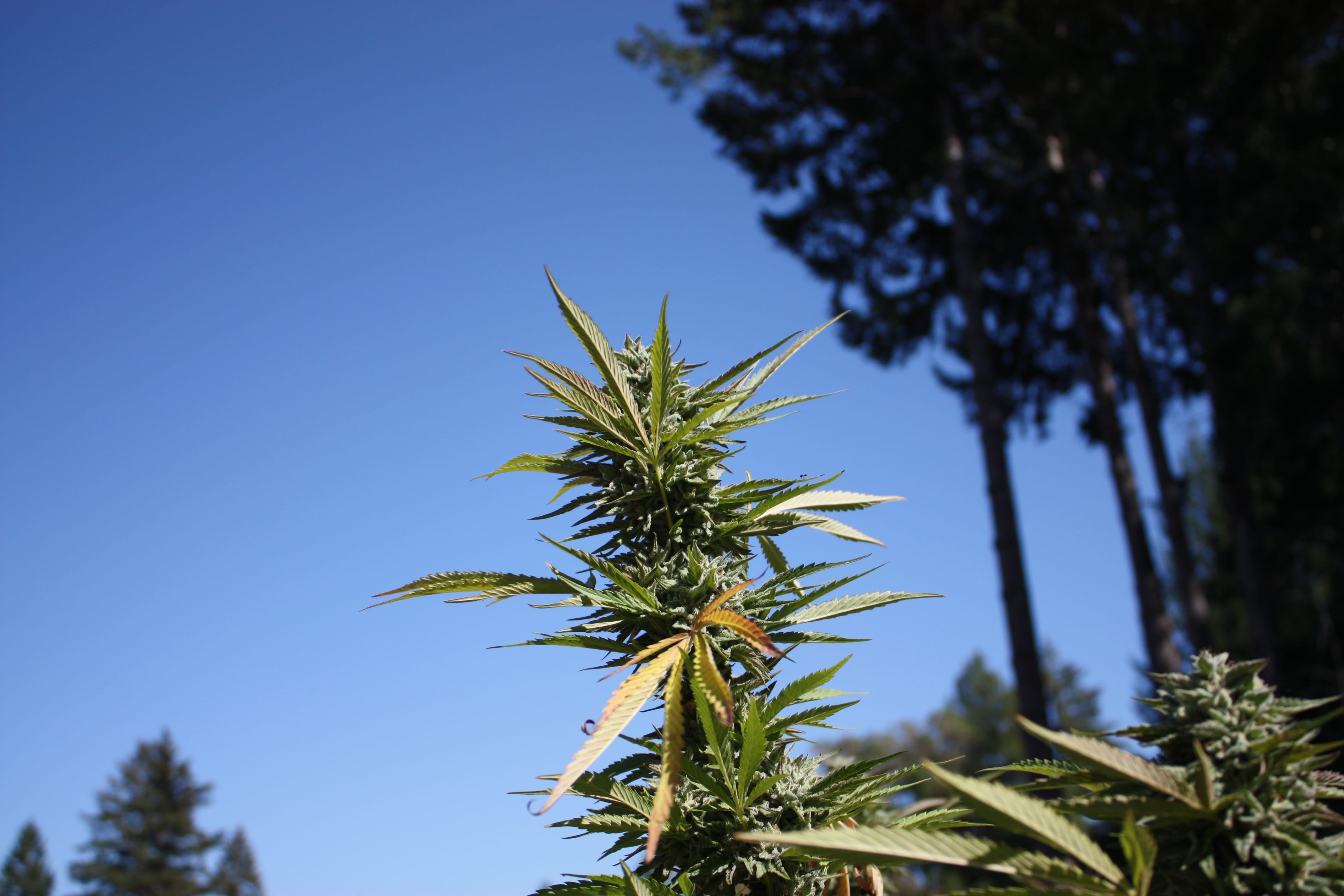
Pros And Cons Of Using Early Varieties In Cannabis
The cultivation of early varieties of cannabis presents both opportunities and challenges. Their rapid growth and maturation can offer advantages in terms of harvest timing and resource utilization. However, the success of this cultivation method hinges on several critical factors. Foremost, the cultivator's expertise and understanding of the specific needs and growth patterns of these early varieties are paramount. Without proper knowledge and care, the potential benefits might remain unrealized or even backfire. Environmental factors such as soil quality, light exposure, and climatic conditions, also play a pivotal role in determining the yield and quality of the crop. Lastly, the choice of strain is crucial. Not all early cannabis strains are created equal, and selecting the right ones, tailored to the grower's specific conditions and goals, can mean the difference between a bountiful harvest and a mediocre one.
| Pros | Cons |
| Quicker Harvest: Allows for earlier harvest times, potentially leading to multiple harvests in one season. | Genetic Limitations: A limited genetic pool might restrict the variety of flavors, potencies, or disease resistance |
| Mitigate Environmental Challenges: By maturing faster, early varieties can avoid late-season issues like unexpected frosts or heavy rains. | Yield Variability: Yields might differ based on environmental factors, and there's potential for smaller yields compared to full-term varieties. |
| Efficient Resource Utilization: Speedy growth cycles can lead to water and nutrient savings. | Speedy Growth Demands: Quick maturation might necessitate more vigilant monitoring and care to prevent issues. |
| Early Market Entry: Allows growers to supply cannabis to the market before other competitors. | Quality Perceptions: There might be misconceptions or biases against early varieties, assuming they are of lesser quality. |
| Pest Avoidance: Faster maturing plants might reduce exposure to peak pest seasons. | Knowledge Requirements: Growers need to be well-acquainted with the specific needs and growth patterns of early varieties. |
| Adaptability: Some early varieties might be bred to be more resilient to certain diseases or environmental stresses. | Consistency: The consistency of cannabinoid and terpene profiles might differ from their full-term counterparts. |
Costs And Availability Of Faster-Flowering Seeds
While seedbanks offer a diverse range of strains tailored to various grow conditions, early or fast versions are gaining traction due to their shorter growth cycles. Despite their benefits, the availability of these fast versions can be limited in many seedbanks, often due to the perceived performance trade-offs associated with accelerated growth. Interestingly, these fast strains are not generally priced higher than their standard counterparts, even with their expedited harvest advantage. The perception of potential performance compromises may account for this, causing both the limited availability and the absence of a price premium. This is good news as many see it for what it is, a faster version of something they already like!
Towards A Future Of Efficient Cannabis Cultivation
Beyond the terminology, "Earlies" or "Fasts" represent a future of cannabis cultivation that is shaped by innovation, efficiency, and a dedication to quality. Mirroring practices observed in early variety vegetable farming means cannabis cultivators, whether they're focusing on indica, sativa, or hybrids, can harness the advantages of strategic harvest timing, optimal resource use, and strong economic returns. This convergence bridges the gap between traditional agricultural techniques and modern-day cannabis cultivation advancements. The evolution of early cannabis strains, which occurs in both indica and sativa populations, provides a detailed insight into plant genetics and their interaction with specific cultivation environments. By blending these methodologies and terminologies, we gain a comprehensive understanding of cultivation practices across sectors. It signals a promising future where both efficiency and excellence are the hallmarks of the cannabis domain.
In conclusion, as the agricultural landscapes, especially in cannabis cultivation, adapt to climatic, economic, and market changes, it's imperative to grasp the intrinsic and strategic benefits of "fast flowering", and "autoflowering" varieties. Whether focusing on indica dominant, sativa dominant, or hybrid strains, the integration of age-old agricultural practices with modern cannabis cultivation techniques heralds an era where science and tradition unite. This confluence is set to propel the industry into unparalleled realms of possibilities and successes.
Three Fabulous Fasts To Try From Seedsman
If you've never experienced the joy of growing early/fast strains, Seedsman recommends these as a great introduction. Our superb fast genetics mean high quality cannabis, quicker turnarounds and hassle-free cultivation.
C99 x Blueberry Fast
This flavorful sativa-dominant hybrid combines the best of Cinderella 99, Blueberry, and a fast parent plant. Seedsman C99 x Blueberry Fast undergoes an impressive amount of stretch when flowering, so make sure you have plenty of space! After just 45 days of flowering, you can harvest up to 350-450gm/m2 indoors or as much as 200-450gm/plant outdoors. Buds are resinous, but leaves are minimal, making trimming a piece of cake.


Blue Dream Fast
A true modern classic, Blue Dream is speeding towards the hall of legends with a reputation as a top-class uplifting cannabis with medicinal properties in spades. Seedsman Blue Dream Fast means you can get your hands on that bounty all the earlier. This mostly-satva strain offers high THC content, and generous yields - indoor growers can harvest up to 450gm/m2, and under the right conditions, outdoor growers could potentially reap between 450-750gm/plant!

White Widow Fast
There's not much you can say about White Widow that hasn't been said before. Long-established, much-beloved, and still a go-to strain for cultivators everywhere, White Widow is one of the most reliable varieties around. It's highly resinous, extremely potent, and grows superbly, so its continued popularity makes sense. Seedsman White Widow Fast puts the power of those legendary genetics in your hands, but cuts a week off the flowering time. Buds are dense and sparkle with trichomes - but there's a good degree of mold resistance here, too, meaning one less headache for your garden!