

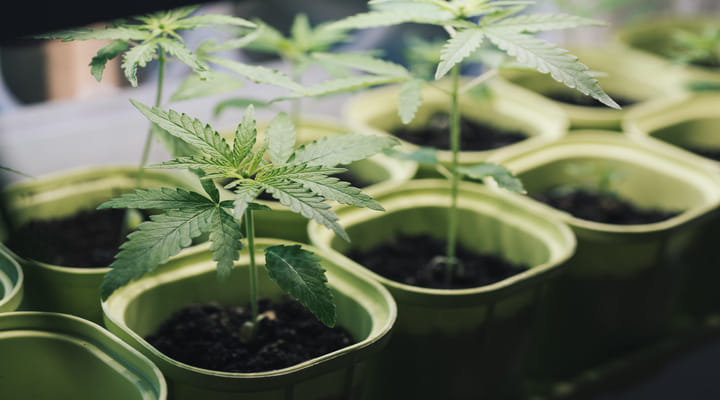
Germinating and caring for cannabis plantlets indoors before transplanting them outdoors is known as "hardening off." This method, which is commonly practised in horticultural and other plant species, can significantly improve the survival rate and overall performance of cannabis plants when they are moved to an outdoor environment. The advantages of the hardening process are clear to see and if done correctly this method can augment the natural environment for growing to make, for example, the season a little longer, and help reduce the extremes of the climate in the early season.
Indoor Germination – A Gentle Start
Having a controlled environment is generally an excellent way to maintain the perfect conditions for plants to thrive. When growing cannabis Indoors, variables such as temperature, light intensity and duration, can be controlled and maintained at optimal levels for germination and early growth. This ability to control the growing environment reduces the risk of many plant stresses and improves not only the germination rates, but can also contribute to consistency of growth in the plantlets, making for a more synchronised and uniform performance. This is, in part, due to the protection from extreme weather but also protection from the natural bugs, grubs, and microbes found in all outdoor environments. Younger plants can be more particularly vulnerable to and less well-equipped to deal with the harsh weather conditions sometimes found in the early season. Frost, strong winds, and sodden ground due to heavy rain are all common in the springtime. Compounded by the fact pests come in all shapes and sizes, from, birds and grazing mammals to diseases carried by insects, overwhelming plants with stresses before they are well established is risky business.

Starting plants indoors shields them from the early season issues which would otherwise be dealt with by the grower's best guess to when the season had finally mellowed. This is often a fool’s gold scenario, as by the time the grower waits for ambient weather, the planting season is almost done! Setting seeds indoors will increase the plants chances of survival. Therefore, starting with indoor plants, a grower can extend the growing season - especially in regions with shorter growing seasons, or where the spring is cool and wet. This early start allows for a longer growing period, which is particularly beneficial for plants that take longer to reach maturity, but if the hardening off process is not done, it can really affect the performance of the plants once they get outside proper.
The Hardening Process – Get Ready, Shoots!
Hardening off is the process of acclimatizing plantlets from a steadier indoor environment to a harsher outdoor environment. Although it sounds easy enough, getting this correct is more difficult than it first seems. Overdo it, and a grower may risk stressing and therefore stunting the plants progress. Not hardening off enough, can result in the effort being pointless as the plantlet struggles with the change when put outdoors anyway. In addition to that, the grower needs to pay careful attention to transplanting itself, where avoiding shock, especially for autoflowering plants, is super important to their ability to thrive. Hardening off is a gradual process with an accumulation of acclimatization, otherwise stunting growth or even killing young cannabis plants is likely.
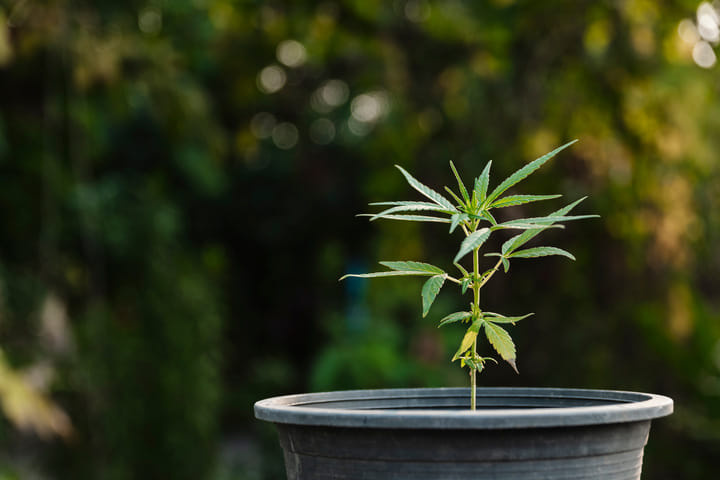
Gradual Exposure is very much the key to getting right. Planning how long and what each day will entail is a good idea to make sure a professional hardening off process is executed. Hardening off typically involves exposing plantlets to harsher conditions gradually over a period of 10-14 days. This exposure might start with a few hours of outdoor time for the plants, in the most ambient part of the day. This is usually carried out in a sheltered location, where the cold winds and sudden downpours will have little effect, and you then gradually increase the time the plant spends outside. This slow increase to the outdoor world helps the plants adjust to the various, more extreme conditions, such as stronger sunlight, cooler temperatures, and fluctuating humidity levels. As a type of stress adaptation, hardening off cannabis plants is yet another way these remarkable plants can quickly corner new geographies and territories with just a little help from the grower. As cannabis plants have generally been selected from their natural environments, they have the genetic elements to survive the more extreme climates. However, if not given a chance to activate, these adaptations may not have time to shine before the environment takes over. This is why hardening off plants helps them to adjust their physiology and stress response pathways so they are prepared to resist the elements that would overwise overwhelm a young plant. This adaptation includes things like, producing a thickening cuticle on the leaves and stems, improving the strength of the plants stem to due to wind exposure, and many other changes in the plant's molecular functions to help it cope with the environment.
Hardening off gradually over 14 days might look something like this;
Day 1 - 3: 3 hours outdoor in shelter location, 1pm – 4pm
Day 4: 5 hours outdoor in shelter location, 11am – 4pm
Day 5 - 6: 5 hours outdoor in less shelter location – more exposed
Day 7 - 9: All day in outdoor location, avoid full exposure to elements
Day 10 - 12: Only bring the plant in overnight or if the conditions get bad
Day 13 - 14: Plants go into their planting spot, ready for transplanting
Final Step - Transplanting
If the hardening off process has been done well and plants are fully hardened off, they usually cope fine with the stress of transplanting. Autoflowers always have more issue with transplanting, but this can be managed as well if planned properly in advance. The use of raised beds helps to mitigate transplant shock, and having that nice sun-warmed soil to put the plants in will help them adapt to the transplanting all the more readily. If not using a raised bed, make sure the ground is exposed to natural light as much as possible to keep the temperaturess in the soil high, and of course, good drainage is key to avoiding soaking the roots and stunting growth that way. Having good companion plants is also very useful in this situation and even in more extreme cases, having a cold frame type plastic cover might be useful to help the plants bed into their new home!
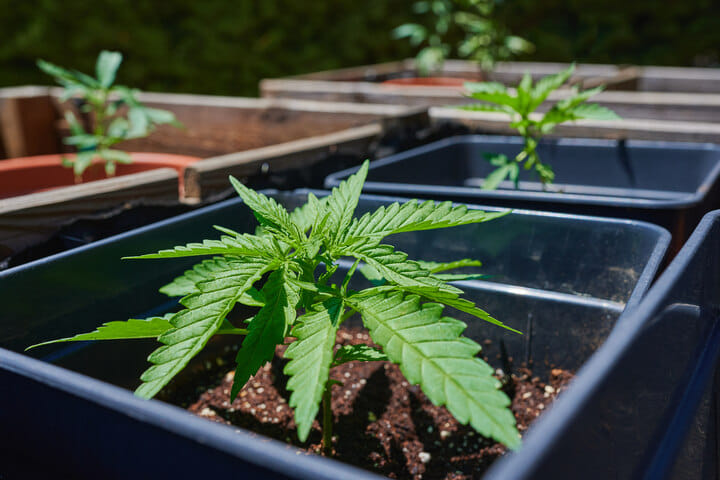
Plants that are properly hardened off are more likely to perform better producing good yields. The plants' ability to resist stress means they are less likely to suffer from environmental issues once they are transplanted.
Check List - Make Sure Your Plants Are Well Hard
Hardening off cannabis plants should start by exposing your plants to the outdoors for only a few hours a day, usually the mildest warm part of the day, usually the early afternoon. At first, use a sheltered location to protect them from strong winds and direct downpours. Gradually increase their exposure time over a 10-14 day period. Keep a close watch on the weather, adjusting the exposure based on conditions to avoid things like frost or heavy rain. Increasing their exposure to direct sunlight and gentle winds, as this will help them adapt the necessary physiological traits for the environment. Towards the end of the hardening process, let the cannabis plants have full days outdoors, bringing them indoors only at night or during severe weather. For transplanting, especially with sensitive varieties like autoflowers, ensure the soil is warm and well-drained to reduce shock. Consider using companion plants for a supportive microclimate and, if necessary, additional protections like a cold frame to shield them in harsh weather. Properly executed, this gradual exposure will enhance the plantlets' resilience and performance outdoors.


