

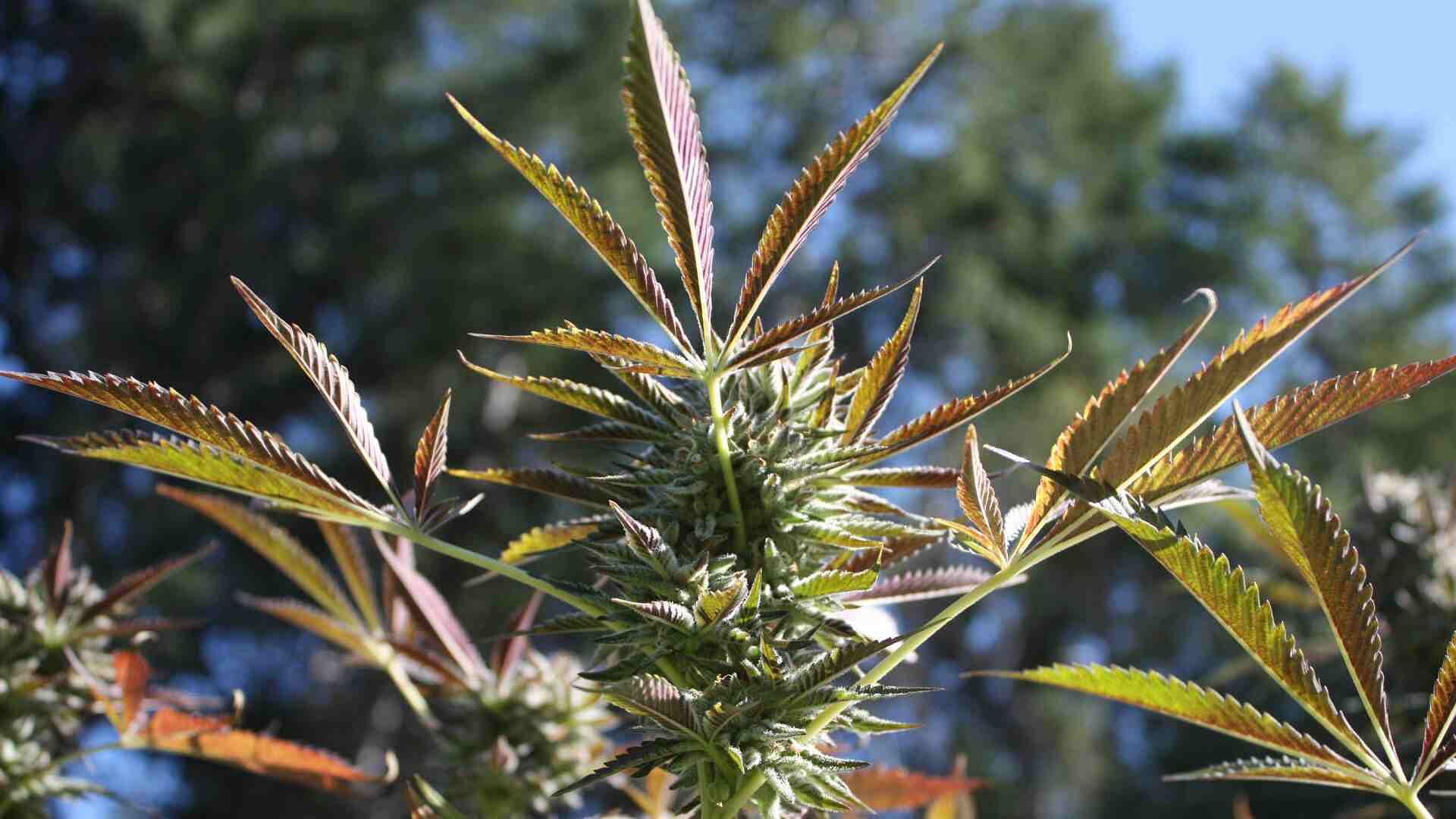
Picturing plant anatomy as a supercity in a utopian future offers a useful metaphorical analogy to understand its complex structure and functionality. Plant anatomy can be complicated, and this analogy helps us conceptualize each part of the plant as an essential component of an almost perfectly efficient city, where each element is specialized and designed for a specific function. So, before breaking down the components, here is how a futuristic city and the parts of a cannabis plant can be analogous.
At the foundation of this utopian city, much like the cannabis plant, is a soundly engineered underground system. These ‘roots’ form a vast network of underground tunnels, efficiently absorbing water and nutrients deep from the earth. The city's subterranean systems are essential for harnessing natural resources, facilitating transportation, and managing waste, thereby supporting the city's inhabitants, much like a plant's root system.
The stem in this plant-city analogy serves as a crucial transport highway. It functions as a two-way system, similar to high-speed transit in the city, moving nutrients and water from the roots to the leaves and energy in the other direction. This system acts as the structural and functional backbone of the city, enabling seamless movement of goods and people. Branching from this central stem stretching to the city's outskirts are the fan leaves - green energy factories. These solar fields of the city harness sunlight and convert it into energy, replicating the plant's photosynthesis process directly. The business heart of this futuristic supercity, inspired by the cannabis plant, lies in its flowers or buds. Sugar leaves serve as a local ‘generator’ producing extra energy on-site. These areas, resembling districts lined with luxurious stores and diverse shops, are the resin-rich buds of the plant. They are vibrant and attractive, drawing people with their unique and high-value products.
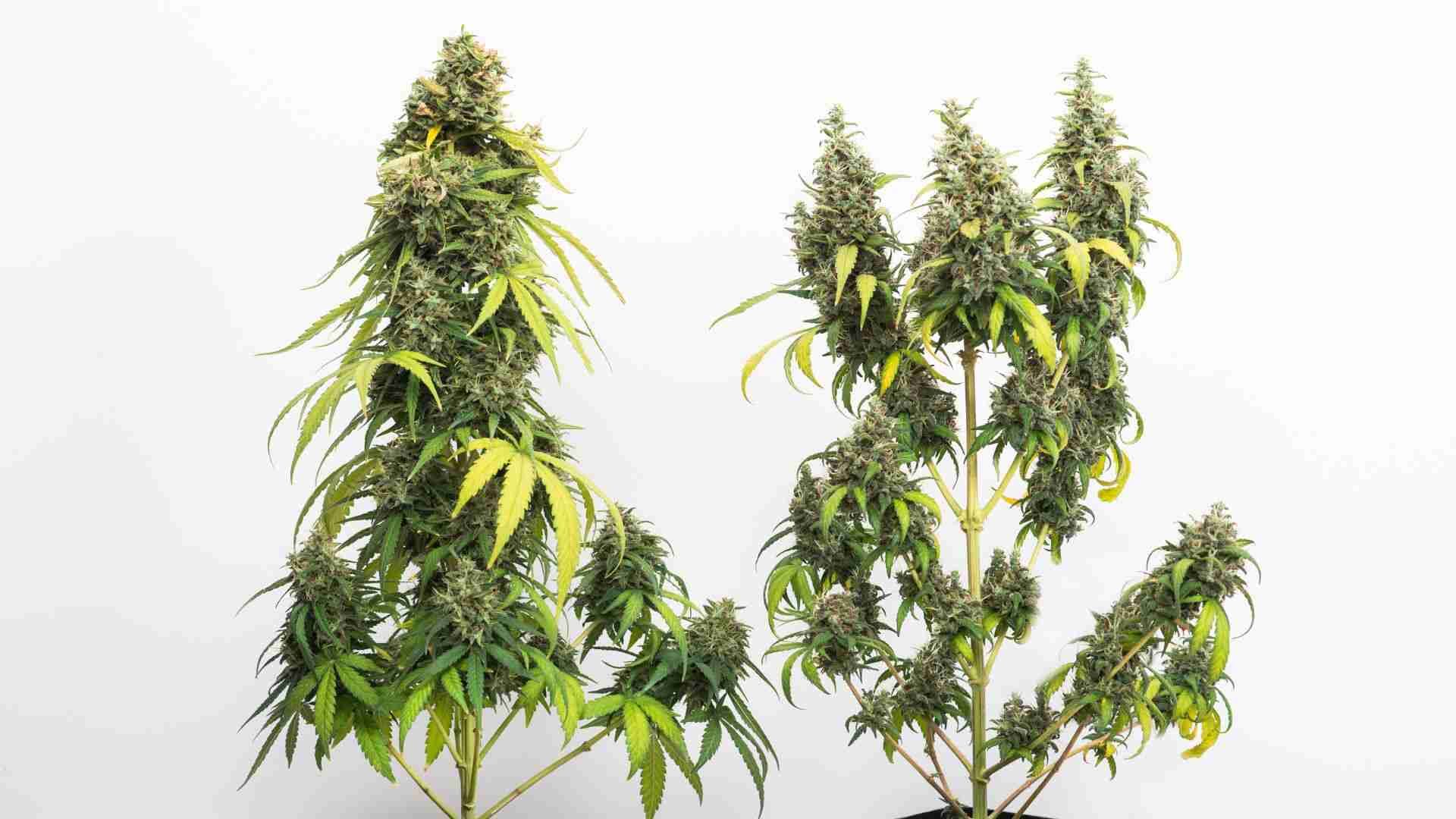
Inside these shops are micro-factories, the city's parallel to the cannabis plant's trichomes. Replacing large-scale industrial factories, these units produce valuable phytochemicals like THC, CBD, and terpenes. Artisans and high-tech processes collaborate to create prized commodities, celebrated for their therapeutic and recreational qualities, forming the core of the city's commerce. These micro-factories, though small, are centers of creativity and innovation, enhancing the lives of residents and symbolizing the city's dedication to well-being, pleasure, and the fusion of nature with human ingenuity.
This analogy can be way more detailed if we look deeper at the cellular level, as the plant has many specialized cells, which allow the comparisons to run deeper. However, it's time to talk about the anatomy of the cannabis plant and how each structure is essential to the function of the whole. So, now equipped with the supercity analogy, here is a breakdown of the anatomy of a plant.
Cannabis Is A Plant Like Many Other Plants
A plant usually has a fairly simple anatomy. Here, we describe the features common to plants and the more interesting features to marijuana plants.
Root System
The root system, often containing a main taproot and secondary roots, is a fundamental feature shared with almost all plants. It is essential for water and nutrient uptake, communication and, of course, signaling. Roots have primary, secondary, lateral and hair-like structures, which make a mesh network. The easy way to imagine a root system is to take a very branchy tree and imagine it upside down and underground.
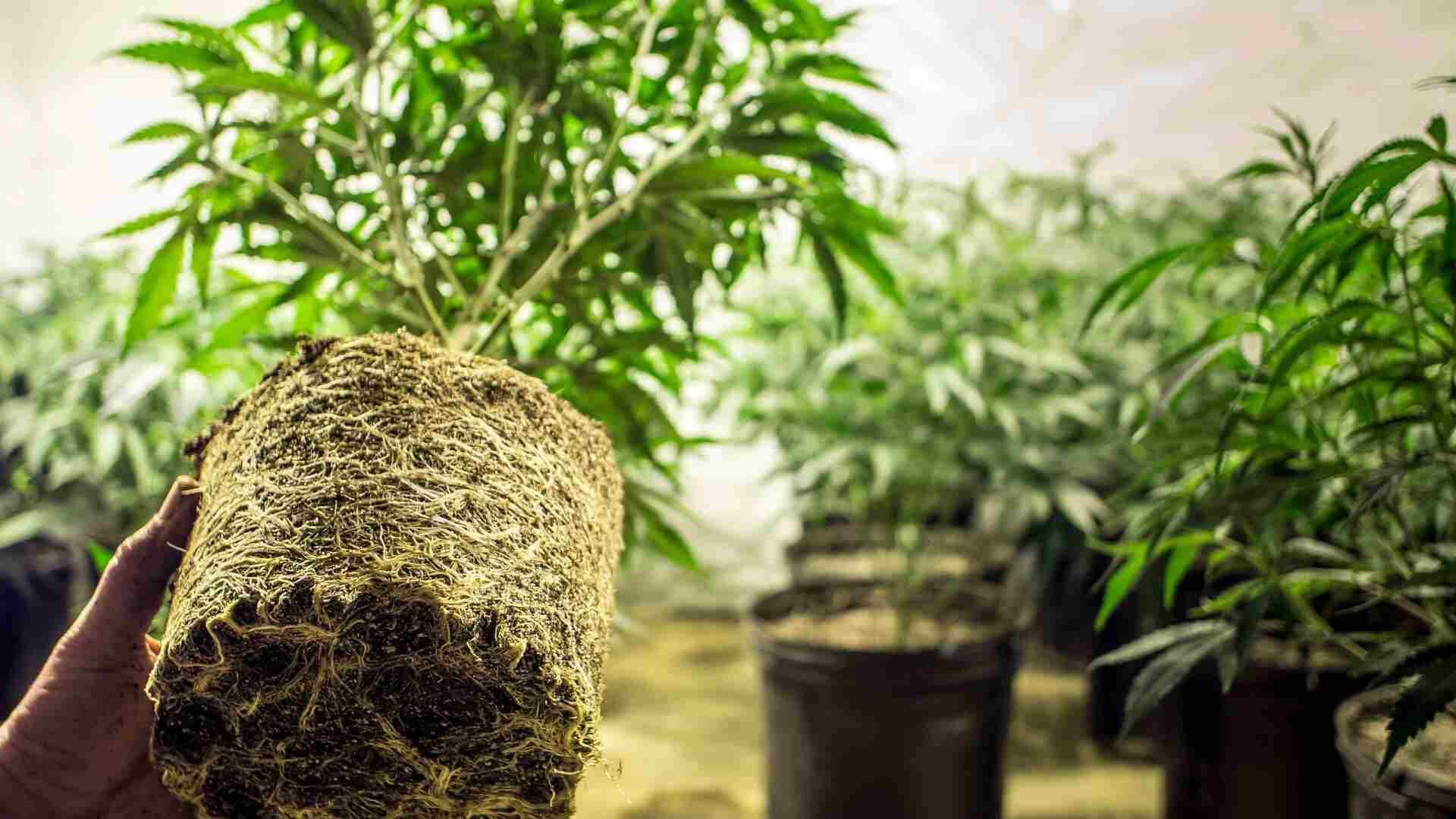
However, root systems can also be more like icebergs floating in the sea, with only a small proportion of the entire thing visible. Root systems can stretch further than branches and can dig deeper than the aerial part of the plant is high.
Stem
The main stem, acting as the primary structural support and transport system for nutrients and water, is a common characteristic of most plants. The vascular system in the stem is comprised of the xylem and the phloem, transport up and down respectively. In cannabis the stem can be very different from one variety to another in composition. Some cannabis plants produce super fibrous stems, used in hemp clothing and hemp rope, for example. Others, often drug-type cannabis, tend not to produce usable fibre, although some exceptions to this exist. Stems can be conditioned in cannabis to be stronger, although there is a genetic element to this too, limiting the weight some stems can carry.
Leaves
Cannabis leaves are crucial for photosynthesis, just as in other plants. They can be potent health indicators, providing a reading on the overall well-being of the plant. Although not every leaf is essential, without any, the plant would most likely perish. Leaves are also the structures that absorb CO2, help the plant regulate its temperature (transpire), and allow it to fine-tune its light-capturing capabilities, enhancing or decreasing with low and high light, respectively.
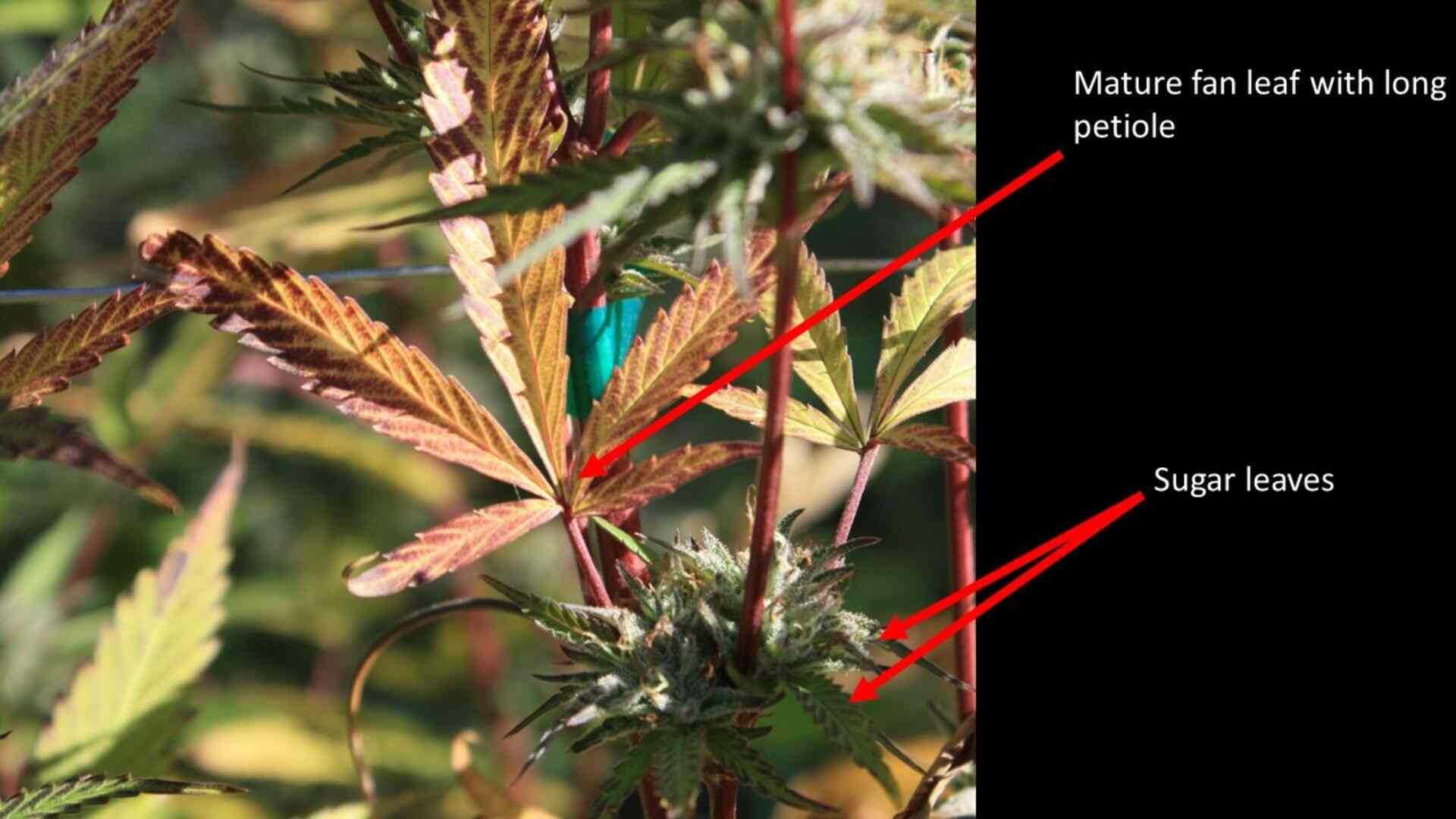
Cannabis has two main types of leaves: fan leaves, which are the larger and less trichome-laden leaves with a long petiole, and sugar leaves, which are found throughout the cola, making up the inflorescence.
Nodes and Internodes
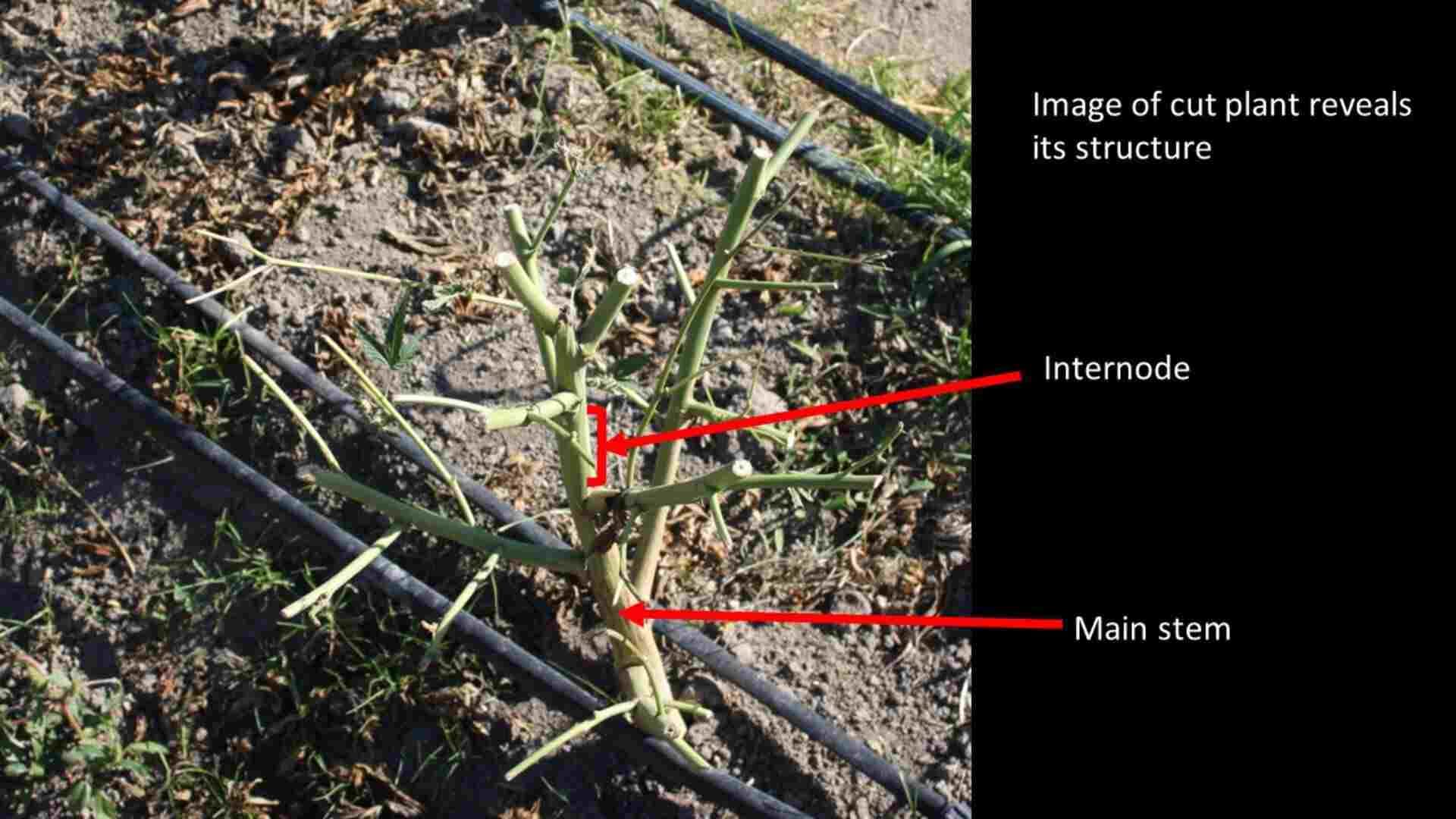
Nodes are where stems and branches meet or separate. The internodes are segments between nodes, which are common features in many plants and reflect growth patterns. In cannabis, this feature is important as it can determine the number of budding or inflorescence sites, how wide the plant is versus how tall it is, and, therefore, it is a value indicator of yield potential and suitability to restrictive spaces. Internodes can vary in length, and this variation can be heavily influenced by the light provided to the plant as well as other environmental cues.
Branches
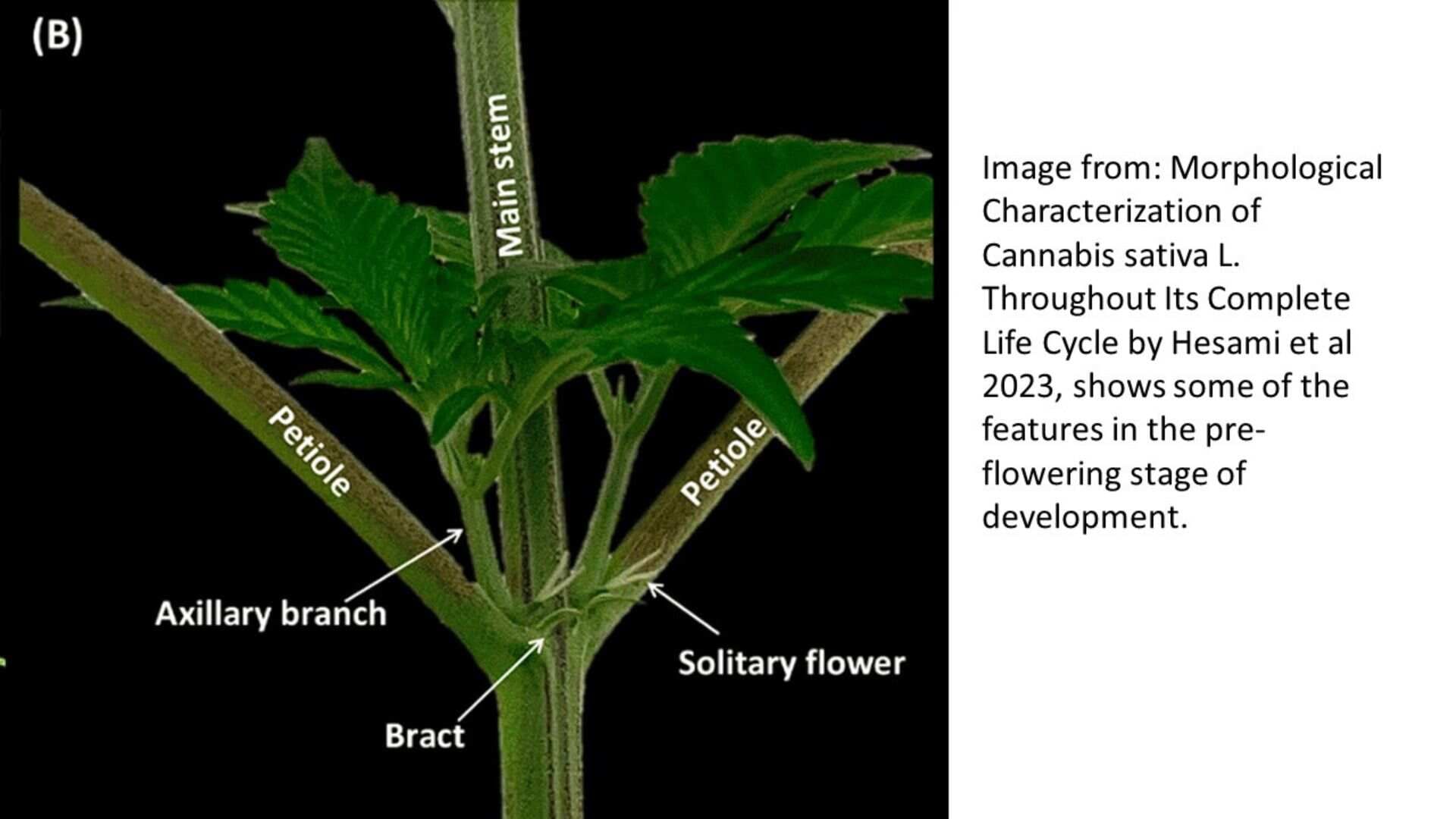
Branches that grow from the nodes and support leaves and flowers are typical in many plant species. The nodes usually determine branching. In cannabis, branching can be crucial to the plant's adaptation to harsher environments, with the typical indica (BLD) type plants having a structure that helps protect the plant from the extremes of weather. Essentially, it can create a protective layer shielding the inner parts of the plant from the elements. Auxiliary branching is secondary, usually later to develop branches, often at the base of a petiole.
Seeds
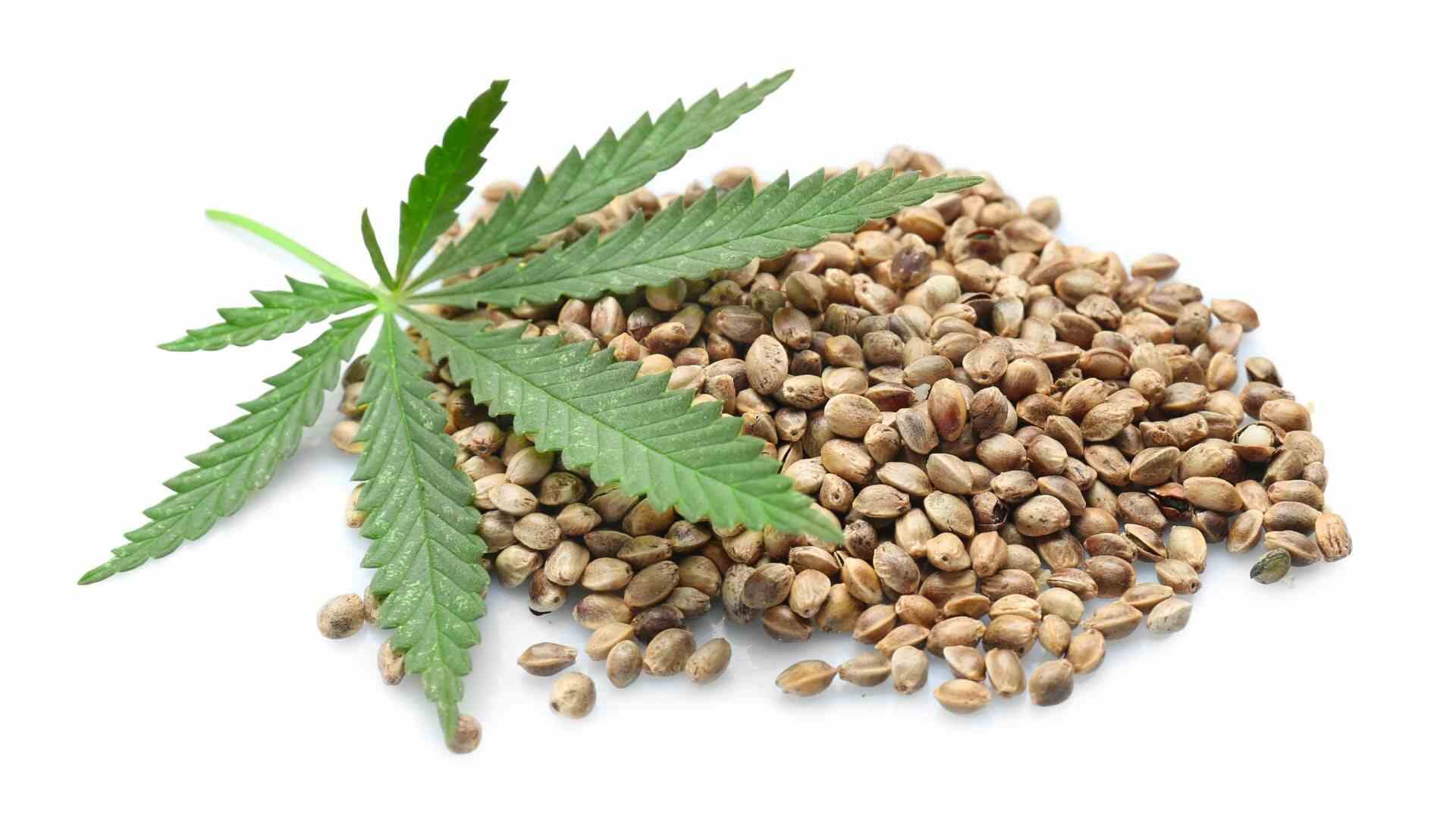
Germinating seeds is generally the way most plants are grown. It is a way to reproduce in a sexual fashion that mixes the genes from both parents. Asexual propagation, such as cloning, is practised by many plants too, sometimes artificially (by human hand) and sometimes naturally. Germination is a key part of a marijuana plant's lifecycle—seedlings, which first produce cotyledons before true leaves, are unique to cannabis plants grown from seeds. Cannabis plants which are asexually propagated tend not to have this developmental stage. Female cannabis plants will produce seeds if pollination occurs. Pollination can be done also within a plant, as is witnessed with bisexual (hermaphrodite) plants. Seeds can be produced as feminized, meaning that from a batch of seeds produced, they will be almost exclusively female cannabis plants once germinated. In reality, this is more likely a ratio, from 1:10 in the early days of feminization to 1:4000 if the process is done correctly by modern standards.
Uniquely Modified Features Of Cannabis
Cannabis Flowers (Inflorescence, florets, buds)
The flowers or buds of cannabis, present on female plants, are unique in their rich concentration of cannabinoids and other high-value secondary metabolites such as terpenes. Male plants produce pollen from their pollen sacs, while female plants develop resinous florets/buds, which, if pollinated, will produce cannabis seeds. The reproductive organs of the marijuana plant are the business end of its value to growers, especially in the flowering stage.
Pistils and Stigmas
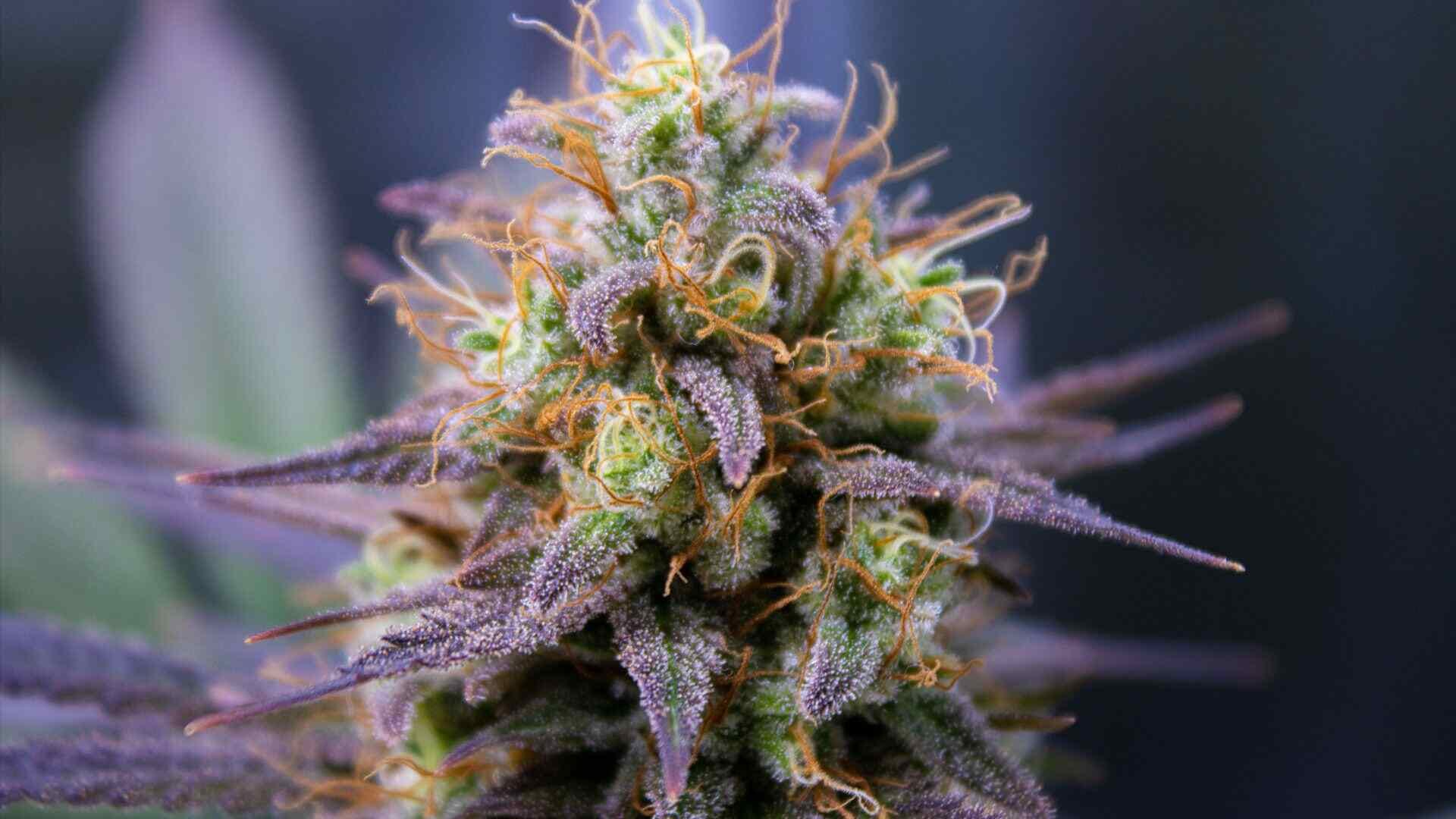
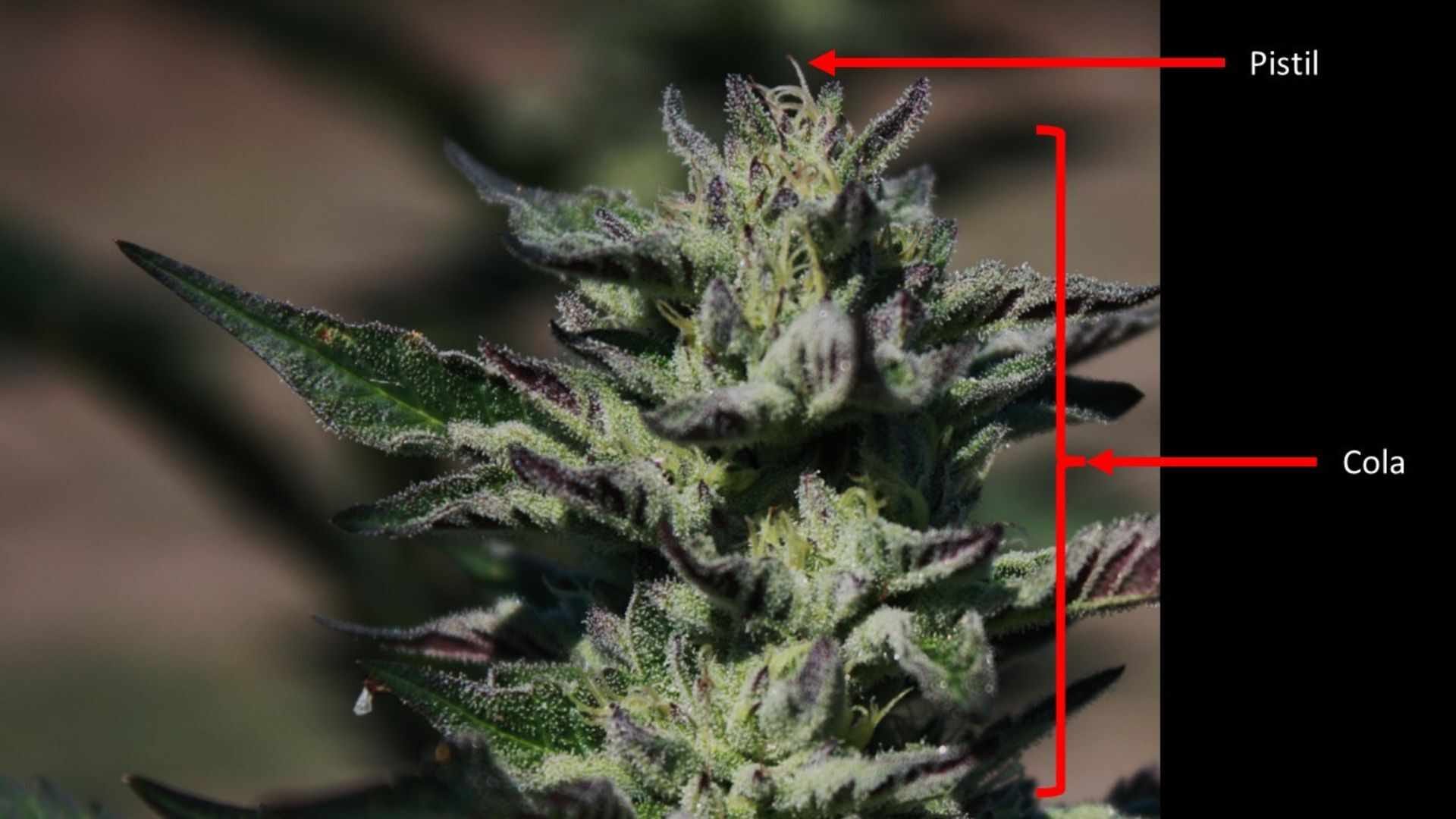
In cannabis plants, these are crucial reproductive structures of the female inflorescence. The pistil is the entire female reproductive unit, comprising the stigma, style, and ovary. The stigma at the top of the pistil is sticky and designed to capture pollen from male cannabis plants. When pollinated, the pistil facilitates the development of seeds. In cannabis cultivation, especially for THC and CBD production, unpollinated female plants (without seeds) are preferred as they produce more cannabinoids in the colas.
Bracts and Calyx
These structures change and develop as the plant matures. They can serve as a functional way to age a plant, checking its maturity as it progresses. Female plants have pistillate flowers, usually densely clustered and interspersed with leafy bracts. Bracts are small, modified leaves designed to enclose the female reproductive parts. Often found at the base of the stems or the nodes, these are often pear-shaped and can be covered in trichomes.
The calyx and bracts are very controversial anatomic features with much debate in the cannabis-growing community about what type of tissue each truly is. Most scientific literature suggests that the calyx is part of the inflorescence and is basically the collective term for a group of sepals. Usually forming part of the florets outermost whorl, the primary function of the calyx is theorized to protect the developing floret or petals. The sepals that make up the calyx look like little leaves. They cover and protect the petals during development and tend to be the outer layer of a single floret. Bracts are often at the base of these and can look like elongated leaves.
Trichomes
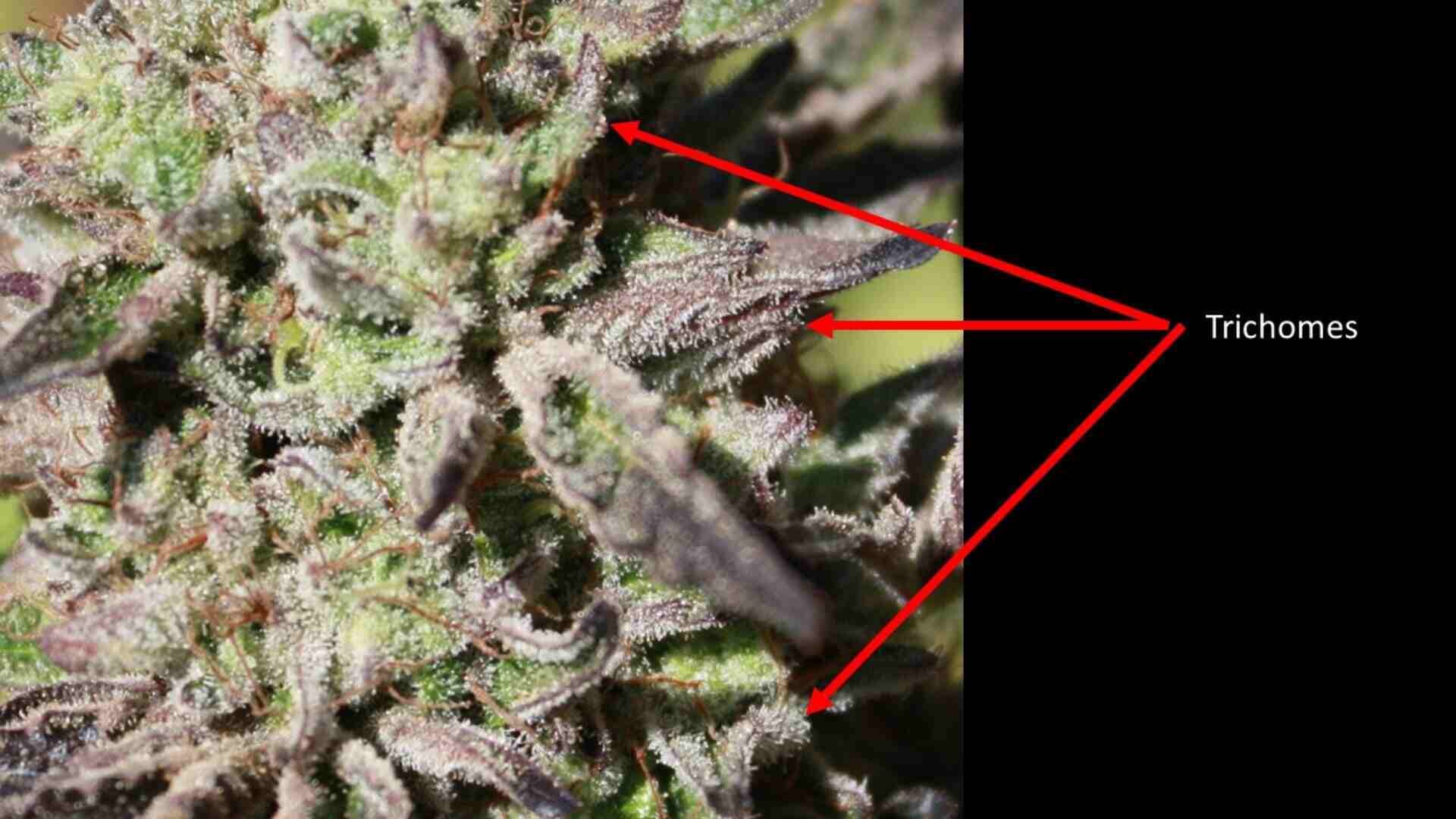
In cannabis plants, glandular trichomes are the resin glands of the plant. They are observed in three forms: bulbous, sessile, and stalked. Bulbous trichomes are the smallest and least significant in metabolite production. There's a discussion in the scientific literature about whether sessile and stalked trichomes represent different developmental stages or distinct classes. Anatomically, stalked and sessile trichomes in cannabis are similar to Peltate and Capitate trichomes found in other species. Research indicates that each trichome type may produce specific metabolites, varying with plant parts, like leaves versus inflorescences. The chemical composition of these metabolites also differs based on trichome location.
Colas
Colas are clusters of tightly packed inflorescences; the main cola forms at the top of the plant on the apical branch. They are the flowering sites where the plant's buds develop and mature, rich in trichomes. Colas are highly valued for their concentration of trichomes and, therefore, secondary metabolites, which are sought after for their medicinal and recreational properties. The size and density of colas can vary depending on the plant's genetics and growing conditions. They represent the culmination of the plant's growth and flowering cycle. Often one of the most impressive parts of the plant.
In summary, cannabis obviously shares several anatomical features with other plants, such as roots, stems, leaves, nodes, internodes, and branches. However, it also possesses unique characteristics crucial for its use and value, including its cannabinoid-rich flowers (buds)/trichomes. Understanding these unique aspects is essential for cannabis cultivation and utilization.
