


If you’re a regular cannabis user and you’ve started having waves of intense nausea, belly pain, and seemingly endless vomiting bouts that only ease up in a steaming hot shower, you're not alone – and you’re not imagining it. Many people call this cannabis hyperemesis syndrome (more formally known in the medical literature as cannabinoid hyperemesis syndrome, or CHS). It’s confusing, frustrating, and often missed the first few times it hits. This guide breaks down what we know – clearly and scientifically – so you can recongise the pattern, get through the acute attacks, and (most importantly) prevent them from coming back.
Cannabis Hyperemesis Syndrome Definition (and the name confusion)
Cannabis hyperemesis syndrome is the user-facing term many people search for; doctors call it cannabinoid hyperemesis syndrome. Either way, it refers to recurrent episodes of severe nausea, vomiting, and abdominal pain in people who use cannabis heavily and over a long period of time. The diagnosis is clinical: the symptoms reliably resolve with sustained cannabis cessation and tend to return if use resumes - not ideal if you rely on a daily puff for medicinal purposes or for relaxation.
How Common is Cannabis Hyperemesis Syndrome and Who Gets It?
CHS was first described in the mid-2000s. As cannabis potency and access have increased, emergency departments are seeing it more often, especially among daily or near-daily users. It appears across age groups but is most frequently reported in young to middle-aged adults who’ve used cannabis for years. Some users are blindsided because they also used for cannabis for nausea depending on frequency, potency, individual biology, and time. The truth is, real numbers are hard to come by; clinicians describe the condition as 'rare' or 'very rare' [1].
Cannabinoid Hyperemesis Syndrome Symptoms

People with cannabis hyperemesis syndrome tend to to cycle through three phases [2]:
Prodromal (warning) phase: Intermittent morning nausea, queasiness with appetite changes, vague stomach discomfort. Many people keep using cannabis – or increase use – because it used to help.
Hyperemetic (storm) phase: Intense, repeated vomiting (sometimes dozens of time per day), cramping abdominal pain, dehydration, and compulsive hot shower for temprarily relief. Regular anti-nausea pills, also known as antiemetics, often don’t work and visits to the Emergency Room can become common.
Recovery phase: Symptoms settle after cannabis cessation and fluids. Yes, that means stopping cannbis puts a stop to the symptoms – and that’s a drag. Appetite slowly normalises, but if cannabis use resumes, symptoms often return [3].
Red flags that need urgent care (regardless of cause): blood in vomit, black stools, severe dehydration (can’t keep fluids down, dizziness), chest pain, high fever, or confusion.
How Doctors Diagnose Cannabis Hyperemesis Syndrome

There’s no single “CHS test.” Clinicians piece it together from history plus exclusion of other causes. The Rome IV criteria supports a CHS diagnosis when al of these are present:
- Stereotypical episodic vomiting (similar to cyclical vomiting syndrome)
- Prolonged cannabis use
- Relief with sustained cessation [4]
But there are important distinctions, too:
- Cyclic Vomiting Syndrome looks similar but is not driven by cannabis use and has different triggers (e.g. migraines)
- Cannabinoid withdrawal can cause nasuea but usually starts within 24-72 hours of stopping and include irritability, insomnia, and sweating rather than the hot shower phenomenon.
Doctors may order basic lab tests, pregnancy testing (where relevant), and sometimes imaging to rule out emergencies. Urine THC screens confirm exposure but cannot prove ongoing use because THC lingers for weeks; diagnosis hinges on clinical pattern and symptom resolution after abstinence, not on a positive test alone. Diagnosis is not always straightforward, unfortunately.
Why Hot Showers Help With Cannabis Hyperemesis Syndrome
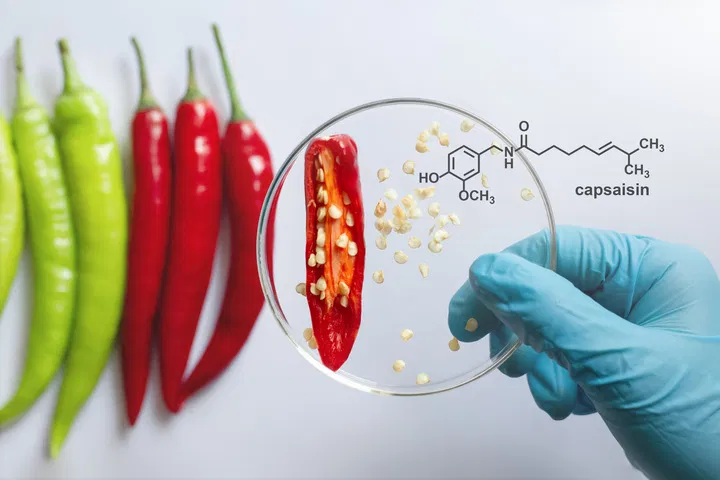
The “hot shower fix” isn’t a placebo. One leading explanation involves the TRPV1 receptor (a heat-sensitive pain/nausea gatekeeper in the gut and brain). Chronic cannabis exposure may disregulate systems that normally control nausea; heat and even capsaicin (the spicy compound in chillies!) both activate TRPV1, which appears to temporarily reset signalling and relieve symptoms. That’s why topical capsaicin cream on the abdomen/torso can mimic a hot shower’s relief in the Emergency Room [5].
What Actually Works During An Attack
In the hyperemetic phase, the goals are rehydration, symptom control, and stopping the cycle. Evidence is evolving, but a few strategies have support:
IV fluids + electrolyte correction. Vomiting dehydrates you and can disrupt potassium, causing weakness or heart rhythm issues; fluids are foundational in the ER, serving as standard supportive care.
Topical caspaicin applied to the abdomen/arms/chest in the ER: multiple studies (retrospective cohorts and a pilot trial) show faster symptom relief and shorter stays for many patients, with minimal side effects, (burning/warmth) [6].
Haloperidol (IV/IM, clinician administered): in the HaVOC randomized controlled test, Haloperidol outperformed Ondansetron (a standard antiemetic) for acute symptom relief in Cannabis Hyperemesis Syndrome. This isn’t a take-home medicine; it’s given under medical supervision because of potential side effects (e.g. dystonia, QT prolongation [7].
Standard antimetics (Ondansetron. Metoclopramide) often fail alone but may be used alonsgide other approaches. Warm/hot showers can still help temporarily – just keep hydration in mind.
The bottom line, then, is Emergency Room care with fluids, topical capsaicin, and doctor-administered Haloperidol has the strongest practical support right now [8].
The Only Proven Long Term Fix

Here’s the hard truth: sustained cannabis cessation is unfortunately the only intervention consistently show to stop cannabis hyperemesis syndrome for good. Many people feel dramatically better within days to weeks; full confidence in the diagnosis comes when symptoms don’t return after a sustained period off the weed. If you restart regular use, relapses are common [9]
Clinical guidance now emphasises abstinence from cannabis to confirm the diagnosis and prevent recurrence, with counselling or substance us support if needed. (This isn’t about moralising; it’s about preventing more ER visits, IV lines, and misery.) [10]
What About CBD, Vapes, Dapes, or Switching Strains?
Cannabis Hyperemesis Syndrome appears tied to overall cannabinoid exposure, not just smoking flower. People report episodes with edibles, concentrates, vapes, and high-THC products. Switching to different strains or “just CBD” doesn’t reliably prevent recurrence. If you’re recovering from cannabis hyperemesis syndrome, the safest route is avoiding cannabinoids until you and your clinician are confident the syndrome has resolved.
Why Does Cannabis Hyperemesis Syndrome Happen?

No single mechanism expains every case, but research points to several overlapping factors in how cannabis hyperemesis syndrome takes off:
Endocannabinoid system downregulation: Chronic exposure may flip cannabinoid receptors (Especially CB1 receptors, found mainly in the brain and central and peripheral nervous systems) from anti-nausea to pro-emetic signaling in some people [11].
TRPV1/thermoregulatory effects: The signature heat relief and capsaicin response point to TRPV1 pathways that modulate nausea and gut motility.
Gastric motility changes: Cannabis can slow gastric emptying, which may worsen nausea in unlucky suscpetible users.
Genetic susceptibility: Early work suggests some users might carry genetic variants affecting cannabinoid metabolism or receptor signaling that increase risk – an active research area [12].
Think of cannabis hyperemesis syndrome as a threshold phenomenon: long-term, heavy cannabis use and individual biology may push the system past a tipping point where the anti-nausea effect flips.
Practical Steps if you suspect Cannabis Hyperemesis Syndrome
While the good news is that cannabis hypermesis syndrome is a relatively rare phenomenon among an ever-increasing legion of worldwide tokers, if you do find yourself experience a backlash from your body after heavy continuous cannabis use, there are practical steps you can take to speed the process of diagnosing or ruling out the condition:
Track the pattern. Note cannabs type/amount/frequency of use and symptoms – that's right – log every vomiting episode. Patterns help distinguish cannabis hypermesis syndrome from infections or food posioning.
During a flare-up: Seek medical care early if you’re vomiting repeatedly or can’t keep fluids down. Ask about topical capsaicin and whether haloperidol is appropriate for you given your individual health history,
Cool-down period: Stop cannabis entirely for a sustained period. Many clinicians use weeks to months without relapse as a practical benchmark: symptom resolution with abstinence is central to diagnosis.
Rehydrate, replenish electolytes, and re-introduce food slowly as nausea settles (light foods such as broth, crackers, and small, frequent meals). Standard self-care applies.
Prevent relapse: If you decide to use cannabis again later, understand the relapse risk – especially with daily use or high-THC products. Consider talking with a clinician about nausea triggers and safer-use strategies, or with a counsellor if stopping is difficult.
Many cannabis users feel skeptical the first time someone suggests cannabis hypermesis syndrome – especially if cannabis was the very thing that once calmed their nausea. That skepticism is understandable. The data (and the lived experience of thousands of patients) point to the same conclusion: when the exposure is high enough for long enough, some bodies flip the response. Recognising cannabis hypermesis syndrome early can save you from repeated hospital visits, unnecessary scans, and a lot of discomfort.
Cannabis Hypermesis Syndrome – The Bottom Line
Cannabis hyperemesis syndrome is real, it’s recognised, and it’s treatable. During a flare, professional medical help can break the attack. For prevention, sustained cannabis cessation is the strategy with the best – and really, only track record for long-term success. If you’re a cannabis user dealing with these symptoms, the most powerful step is testing the diagnosis with time off cannabis and watching to see if the cycle stops. That’s not a moral judgment; it’s a path to feeling better.
---------------------------------------------------
References:
[1] https://www.cannabisevidence.org/clinician-resource
[2] Cannabinoid Hyperemesis Syndrome | Cannabis Evidence
[3] https://www.ncbi.nlm.nih.gov/books/NBK549915/
[4] https://theromefoundation.org/rome-iv/rome-iv-criteria/?utm_source=chatgpt.com
[5] https://pubmed.ncbi.nlm.nih.gov/28730896/
[6] https://pubmed.ncbi.nlm.nih.gov/31482758/
[7] https://www.annemergmed.com/article/S0196-0644%2820%2930666-1/abstract
[8] https://pubmed.ncbi.nlm.nih.gov/32569429/
[9] https://www.ncbi.nlm.nih.gov/books/NBK549915/
[10] https://www.ncbi.nlm.nih.gov/books/NBK549915/
[11] https://www.acep.org/toxicology/newsroom/april-2024/cannabinoid-hyperemesis-syndrome
[12] https://www.mdpi.com/1424-8247/17/11/1549
[13] https://www.frontiersin.org/journals/toxicology/articles/10.3389/ftox.2024.1465728/full