
In the world of cannabis gardening, there are endless amounts of gadgets and tools that claim to improve your garden. It may seem like you need to spend a fortune to get your garden thriving. But gardening can be as expensive or as cheap as you make it. From where you buy your products to which products you buy or make and even how you grow, all of these factors influence your garden expenses. This article will discuss how to grow high-quality cannabis on a budget, ensuring you get the best yield for the lowest cost.
How You Grow Matters
The choice between indoor and outdoor growing significantly affects costs. Growing indoors requires an investment in a grow tent, soil, containers, and grow lights, which lead to higher energy bills. Conversely, growing outdoors takes advantage of free natural sunlight, soil minerals, and beneficial insects that help manage pests naturally. Outdoor gardening also enables the use of homemade soil amendments without the risk of introducing pests into a controlled indoor environment.

Make Your Own Inputs
Homemade garden inputs such as compost, ferments, and pest solutions significantly reduce gardening costs. Methods like Korean Natural Farming (KNF) and JADAM focus on using locally available resources to create cost-effective, sustainable fertilizers. However, to maximize savings, it’s essential to use materials readily available instead of purchasing exotic fruits or ingredients. The best homemade garden input is compost, which improves soil health, retains moisture, and provides essential nutrients.
Compost
Compost is decomposed organic matter that enriches soil by improving its structure, moisture retention, and microbial activity. Different composting methods cater to various space and commitment levels:
- Thermophilic Compost: Rapidly decomposes organic matter using high temperatures (131-170°F), effectively killing pathogens and weed seeds.
- Vermicompost: Uses worms to break down organic material, creating nutrient-rich worm castings.
- Static Compost: A low-maintenance, slow-decomposing method that requires minimal turning.
- Bokashi Compost: A fermentation-based method using anaerobic bacteria to break down food scraps quickly.
- Johnson-Su Bioreactor: A no-turn composting system promoting fungal-dominant compost for improved soil health.
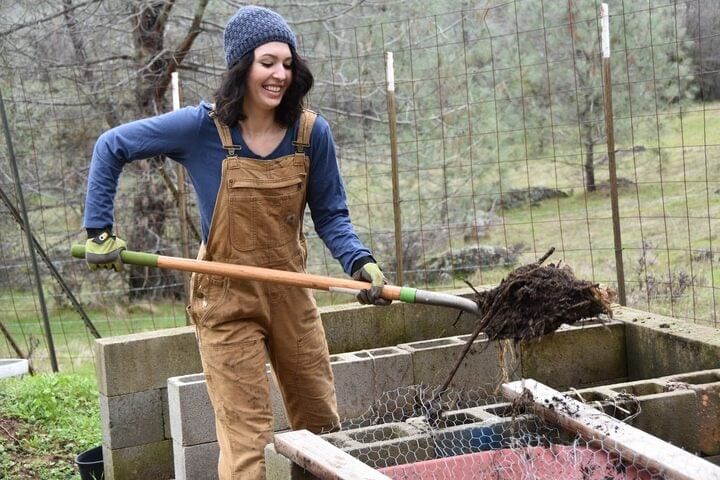
If composting isn't an option, check Facebook Marketplace, Craigslist, or local farms for compost sales. Avoid purchasing green waste compost, which may contain herbicide residues that could harm cannabis plants.
Compost is the best homemade fertilizer because it is much more than a fertiliser. It is packed full of humates and teaming with life. Humates, nature’s strongest chelating agents, unlock minerals within native soil, providing long-term, cost-free fertilization. Compost harbours beneficial microbes that boost plant immunity, protecting against pathogens like Fusarium and powdery mildew. Besides making compost, you can make several fertilisers at home to save you money.
Essential Homemade Fertilizers for Cannabis:
Cannabis requires 18 essential minerals to thrive. In my class, “The Science of Happy Plants,” we explore what these nutrients are, how plants take them u,p how they cycle through the atmosphere and soil and how your plants utilise them. These essential nutrients can be found in the homemade fertilisers below:
Fish Emulsion or FAA
Fish emulsion is a nitrogen-rich fertilizer that promotes vigorous vegetative growth. To make it cheap, collect fish scraps from a local fish market or after fishing. Place the scraps in a bucket, add equal parts water, a cup of well-aged compost or IMO1 (a KNF preparation of Indigenous MicroOrganisms), and a cup of molasses or brown sugar to accelerate decomposition, and let it ferment for a few months, stirring occasionally. Once fully broken down, strain the liquid and dilute it (1:100) ratio with water) before applying it to plants.
Water-Soluble Calcium (WS-Ca)
Water-soluble calcium strengthens plant cell walls and improves nutrient uptake. To make it at home, collect eggshells, bake them at 250°F for 10 minutes to remove moisture, then crush them into small pieces. Soak the crushed shells in vinegar (1:10 ratio) for 7-10 days, stirring occasionally. The reaction releases calcium, making it bioavailable for plants. Dilute before applying as a foliar spray.
Terp Tea
Terp Tea encourages terpene production, enhancing cannabis aroma and flavour. A key component of this process is stimulating the production of jasmonic acid, a plant hormone that triggers terpene synthesis as a defence response.
To make an effective Terp Tea, combine the following ingredients:
- Insect frass – Contains chitin, which stimulates the plant's jasmonic acid pathway, enhancing terpene production.
- Alfalfa meal – Provides triacontanol, a natural growth stimulant that supports vigorous development.
- Kelp meal – Supplies trace minerals and growth hormones that improve plant resilience.
To prepare, aerate 1/2 cup of insect frass, 1/2 cup of alfalfa meal, and 1/4 cup of kelp meal in one gallon of water for 24 hours. Strain and apply as a soil drench during flowering stages for maximum terpene enhancement.
Bloom Booster
A bloom booster enhances phosphorus and potassium levels, which are critical for flowering cannabis plants. To make a highly effective and affordable bloom tea, combine the following ingredients:
- Water-soluble kelp – Provides potassium, trace minerals, and plant hormones to stimulate growth.
- Micronised rock phosphate – Slowly releases phosphorus, essential for strong flower development.
- Yucca extract – Acts as a natural surfactant, improving nutrient absorption.
- Malted barley – Contains phosphatases, enzymes that help unlock phosphorus from the soil, making it bioavailable to plants.
To prepare, add two tablespoons of micronised rock phosphate, one tablespoon of water-soluble kelp, one teaspoon of yucca extract, and two tablespoons of ground malted barley into five gallons of water. Mix and agitate for at least 20 minutes. Apply as a root drench during the flowering stage.
Phosphorus: The Limiting Factor
Phosphorus is essential for cannabis growth but is often unavailable in soil due to strong mineral bonds. 85% of soil phosphorus is locked up, but certain enzymes, such as phosphatases, can unlock it. Sprouted seed teas, particularly malted barley tea, introduce these enzymes, enhancing phosphorus availability. Mycorrhizal fungi further improve phosphorus uptake by producing acids that break it down.
Check out this product ImmuniTea, I use it in every watering and designed it to reduce fertiliser costs, contains:
- Malted Barley Flour – Provides phosphatases that unlock phosphorus for plant uptake.
- Insect Frass – Contains chitin to stimulate the jasmonic acid pathway, enhancing plant defence and terpene production.
- Humate – Acts as a natural chelating agent to make minerals more bioavailable.
- Biochar – Improves soil structure and microbial habitat.
- Yucca Root – Functions as a natural surfactant for better nutrient absorption.
- Kelp – Supplies trace minerals and natural growth hormones.
- Aloe – Enhances root development and stress resistance.
- Bacillus megaterium (20 billion CFU per gram) – Assists in phosphorus solubilisation.
- Bacillus subtilis (40 billion CFU per gram) – Supports disease suppression and plant immunity.
- Bacillus licheniformis (20 billion CFU per gram) – Enhances nutrient cycling and stress tolerance.
- Bacillus simplex (20 billion CFU per gram) – Contributes to overall soil and plant health.
Use code FREETEA and get a free sample today!
Gardening Style Matters
The cultivation method directly impacts cost. Growing styles reliant on bottled nutrients and synthetic fertilisers increase expenses, while planting directly in native soil significantly reduces costs. If you can’t grow in native soil, you can make your own potting mix.
Plant in the Ground
Utilising native soil requires testing to determine its suitability.
- Slurry Test: Mix equal parts soil and water, a tablespoon of powdered dishwasher detergent, shake, and let settle. Layers indicate the proportions of sand, silt, and clay.
- Water Drainage Test: Dig a hole, fill it with water, and measure drainage time. Poor drainage suggests compact clay soil, requiring amendments.

Improving heavy clay soil involves adding organic matter like rice hulls, coco coir, and compost. Thoroughly mix amendments with native soil to prevent hardpan formation. If ground planting isn't feasible, bulk potting mix or homemade soil blends are the next best options.
DIY Potting Mix Recipe:
- 1/3 aeration: Rice hulls, pumice
- 1/3 organic matter: Coco coir, peat moss
- 1/3 compost
- Additional amendments as needed.
Feed Your Soil, Not Your Plant
Synthetic nutrients feed plants directly but neglect soil health. Organic amendments, on the other hand, improve soil structure and microbial diversity, making them more cost-effective. Dry amendments supplemented with teas and foliar sprays reduce reliance on expensive bottled fertilisers, which are mostly water.
Build Your Own Containers

Building raised beds from 2x4s and 4x4 corner posts is a cost-effective alternative to store-bought beds. Adding chicken wire to the base prevents burrowing pests. For container gardening, Grassroots fabric plastic-lined pots prevent excessive drying while benefiting from air pruning.
Where You Buy Matters
Hydro stores and cannabis-specific retailers often impose a "green tax," inflating prices. Instead, shop at traditional garden centres and look for brands like Down to Earth and Gaia Green for organic amendments. Making your own fertilisers further reduces costs.
Natural Pest Treatment and Prevention
Outdoor cultivation inevitably attracts pests. Companion planting attracts beneficial insects that naturally control pests.
Companion Plant | Attracts | Preys On |
Dill | Lacewings | Aphids |
Marigold | Ladybugs | Aphids, Whiteflies |
Buckwheat | Parasitic Wasps | Thrips, Caterpillars, Aphids |
Sweet Alyssum | Hoverflies | Spider Mites |
Companion planting is one component of Integrated Pest Management (IPM). For a comprehensive approach, refer to our article Integrated Pest Management for Cannabis Explained.
Conclusion
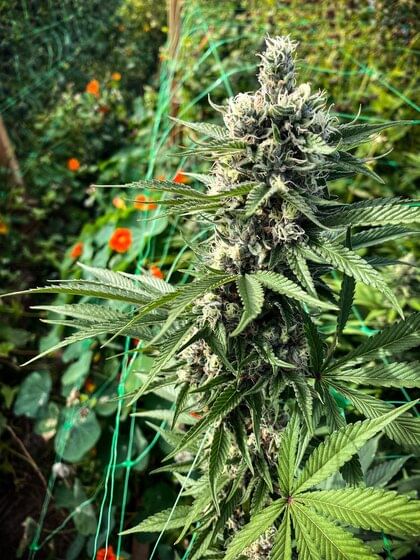
Growing high-quality cannabis on a budget is entirely possible by making strategic choices throughout the cultivation process. Opting for outdoor growing can significantly reduce electricity and equipment costs while making your own compost and organic inputs eliminates the need for expensive store-bought fertilisers. Utilising native soil or bulk potting mixes, rather than constantly purchasing new soil, further reduces expenses. Relying on organic amendments instead of bottled nutrients saves money and promotes soil health. Constructing raised beds and containers is another effective way to minimise costs. Lastly, being mindful of where you purchase supplies, avoiding the so-called "green tax" at hydro stores, and seeking affordable alternatives ensure you get the best value. By implementing these strategies, you can cultivate high-quality cannabis without breaking the bank.