One of the great things about cannabis is the versatility of how it can be grown. From the traditional sun-grown outdoor in the dirt all the way to LED-powered indoor aeroponics, there remains a multitude of systems available to suit almost any environment and any skill set. Moreover, there is also a variation in the outcomes, with certain systems seemingly pulling the genetics in different directions. Here, we take a brief look at some of these systems and provide a guide to help those lost in the search for their most suitable growing method. But before covering that, it should be noted that there is no single hard and fast method. Elite growers come from all sorts of backgrounds with very different experiences. No one way is right or wrong, it is simply a case of matching the systems with the person using them. Some growers have only ever grown cannabis, say, in hydroponics, and have never tried to grow anything else in any other system. Some have the more traditional ‘green thumbs’ and are usually well experienced in planting and growing a multitude of species. Cannabis is one of those plants that can be grown successfully in a number of ways. Therefore, it can thrive under various skill sets, i.e., each person's strengths and weaknesses can be leveraged to suit the system they use to grow. So, whether you are a ‘plant-it-and-leave-it’ grower or a grower that likes to tweak, monitor and control everything, choosing the right system can be a make-or-break moment.
Don’t Soil Yourself!
Starting with soil-based growing, the traditional and classic approach for cannabis, like nearly all plants, involves using natural soil, sunlight and, usually, rainwater. Soil, which is essentially decomposed organic matter with minerals throughout, acts as a nutrient reservoir. Just like the species of the forests and woodlands, most plants have evolved to be completely self-sufficient in growing and reproducing using natural resources, i.e. sunlight and soil. However, not all soils are suitable for all plants. So when it comes to growing cannabis, growers are wise to choose soil rich in organic matter, teeming with microbes and in a mix that allows good drainage. Organic amendments like compost, microbe teas or worm castings can enhance soil fertility, supporting all the requirements for maximizing cannabis growth. Soil is an excellent natural buffer, and it tends to be fairly consistent in, for example, pH. Of course, the use of clean, non-mineralised water is key, with rainwater being ideal. Obviously, soil can be used indoors under artificial lights, too, and this can be a great way to get the best of soil without the uncertainty of outdoor growing.
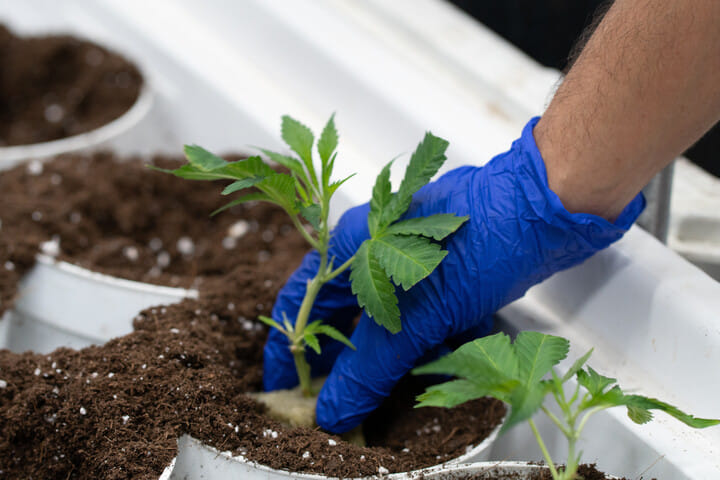
Soil is often praised for its ability to enhance the aroma and taste profiles of cannabis, leading to richer, or at least slightly different, more ‘natural’ flavours and aromas. The complex interactions between microbes and organic compounds in the soil and the plant's root system are speculated to be aided by this. The other big thing about soil grown is that it can be fairly low-labour and low maintenance. Depending on the location and how the grow is set up, you can grow it like a house plant on a window ledge. Automatic watering would be a way to reduce labour further. With the right genetics under natural light, a very hands-off approach could be used.
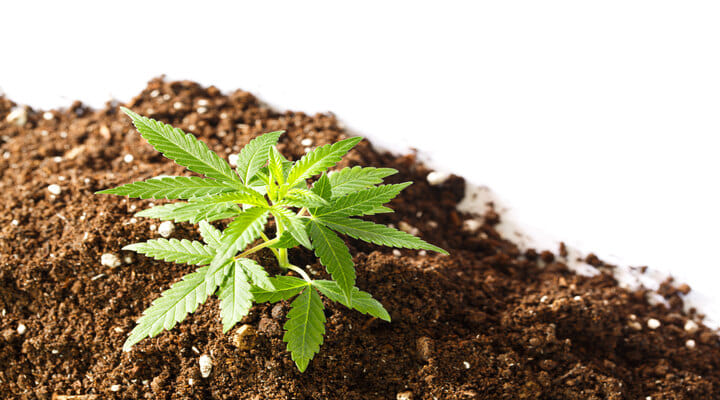
Difficulty score:If you are new to soil growing, 4/5 (easy); if you are experienced in soil growing, 5/5 (super easy!).
Hydroponics, I-growbotics!
Hydroponically grown cannabis plants are grown without soil, usually in an inert medium such as rockwool or coco coir. The plants have their roots immersed/flooded/dripped with a nutrient-rich, tightly controlled water solution. The precise control over nutrient ratios, nutrient strengths (EC) and pH levels are said to lead to higher yields and faster growth than soil. This has been shown in many other species. However, it comes at the cost of a lot of work! The ingredients need mixing, monitoring, checking, and tweaking to make sure the plant roots are well within the range and suitable for the plant. If not, it can cause issues throughout the lifecycle. Things like temperature differences between the mixing container and the feed delivery can shift the pH, creating a nightmare for the grower to try and bring it back into range. However, once established, a good hydroponic system is hard to beat and can be low maintenance. It tends to bring out the best yields, provide extra density to the buds, and has even been reported to produce more potency like-for-like than other systems.
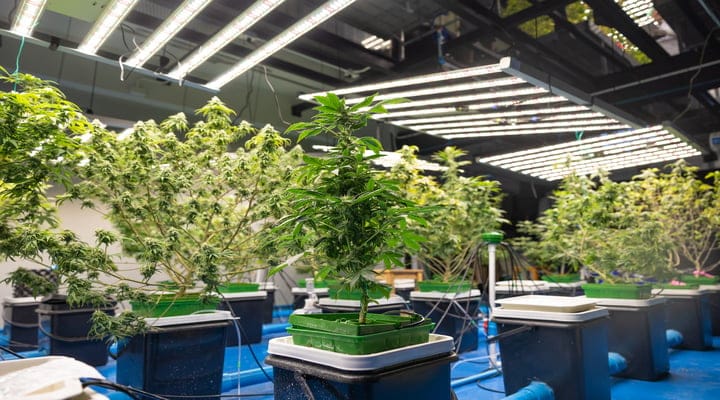
Hydroponic systems can also be good for limited water use and can be worked in a closed system. However, one drawback is that they generally require a lot of equipment, from air and water pumps to pH and EC monitors, filters, and reverse osmosis machines for pure water. Setting up hydroponics can be costly.
Difficulty score: If new to hydroponics, 3/5 (challenging)
Deep Water Culture – It's Not The Name Of A Band!
Deep Water Culture (DWC) for cannabis is a specialised system that involves the roots being completely and constantly submerged in a highly aerated nutrient solution. Having the roots continually immersed in water can be disastrous if not managed correctly. The constant requirement to supply well-aerated water whilst keeping all other things in check, such as pH, temperature, and EC, can be challenging. However, this approach can support direct nutrient delivery, promoting rapid growth and big yields. Shorter cycle times have been recorded with DWC, whilst yields have been produced similar to those of other systems. Submerging the roots in water allows the plants to quickly develop a vast root system, whilst providing unlimited water can make the plant produce a large yield. However, maintaining water temperature, cleanliness, and pH is vital to prevent issues with the roots, such as root rot.
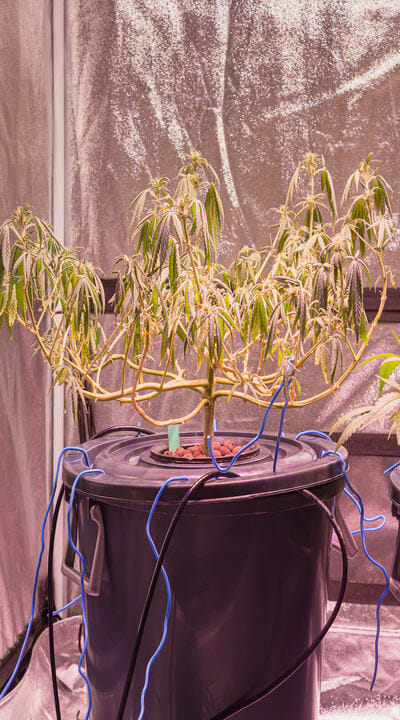
DWC is good in a limited water situation and impressive at producing finished produce that tastes ‘clean’. It remains a good choice for those looking to get through the cycles quickly while still producing useful yields.
Difficulty score: 2/5 (Difficult)
Is Your Tonic Aeroponic?!
Aeroponics is a more modern and somewhat high-tech method of growing cannabis. Here, the cannabis roots hang from a basket-type pot, and the air in which they hang is misted with a nutrient solution. Both water and nutrients can be used sparingly in these systems, providing an excellent low baseline for both. Although it can be done cheaply using an adapted home-made bubble system, it is generally an expensive setup. Growers need all the usual hydroponic equipment, plus the mist generator and suitable housing for the plants. The advantages of this growing method, which allows for excellent water-to-air ratios, include high yields and precise control of the root culture. The exposure to air and nutrient absorption control means if growers really know the genetics well they can continually fine-tune without much issue.
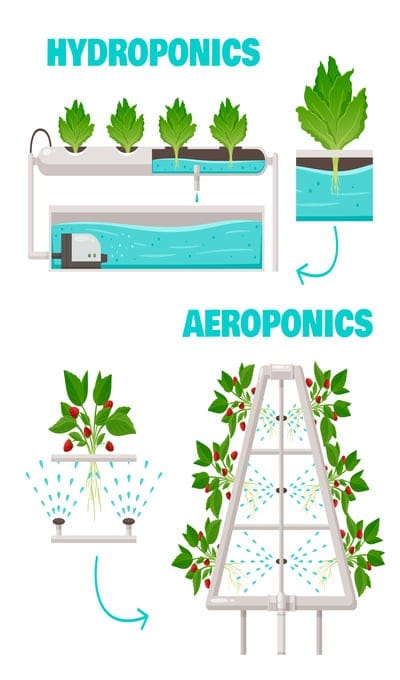
Unlike DWC or hydroponics, there isn’t too much change to the feed during delivery, i.e. the plant doesn’t affect the nutrient mix. It's important to note that temperature control can be an issue in the root zone. However, as stated, it is expensive and needs regular system checks, with some units being liable to nozzle clogging. In part home-made systems, if the root area is not sealed, salt degradation on other growing equipment can be an issue. However, plant roots seem to love this misting system, which is good at keeping a consistent moisture level without over-watering/wetting the roots. Growers can expect a good, clean finish to the buds, and if done correctly, can produce big yields.
Difficulty score: If newbie 1/5 (Very Difficult)
Something Fishy About Aquaponics!
Aquaponics is the most intriguing of the systems mentioned here because it integrates fish farming with cannabis growing. The creation of a symbiotic environment where the fish (aquaculture) provides organic nutrients for the plant's root, striking a balance that suits both, is quite poetic in some ways. The cannabis plants, in return, clean the water for the fish and thus create the harmony required to ‘farm’ both. Balancing the nutritional needs of both the fish and the cannabis plants is much more complex than any other system mentioned here, but it can also be a nice eco-friendly approach that can be efficient in resource use, water, nutrients and even energy.
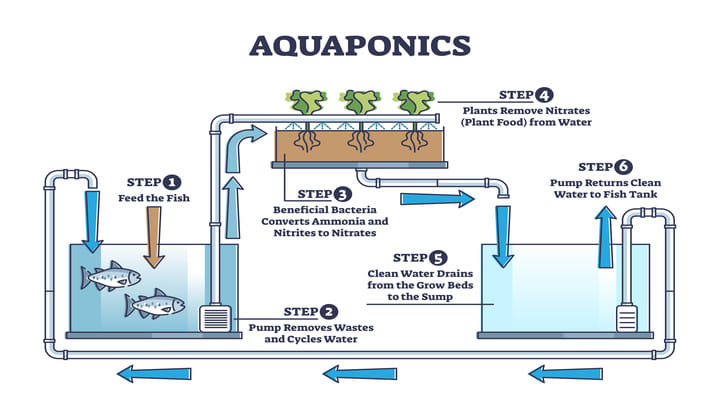
Providing the tank with aerated water, pH balanced, and the correct strength and ratio of nutrients is more challenging as both the fish and the plant roots can influence all of that. Not to mention again, temperature control is perhaps more vital as the range for the fish might not be as wide as the roots could withstand and still function. This approach is probably best suited to those who have already mastered the aquaculture systems without cannabis or harvestable plants. Cannabis growers using this system report robust, healthy plants that can produce an enhanced flavor and are fairly low maintenance.
Difficulty score: If new to keeping fish, 1/5 (Very Difficult); if experienced aquarist, 4/5 (easy)
Conclusion
Each system has unique requirements, challenges, and outputs. Soil-based growing is generally the easiest and can be very hands-off for the grower as it relies on natural processes and is more forgiving of errors. However, growers get very deep on specifics, too, and it can take years to master their system, refining and refining. Aeroponics, on the other hand, is perhaps the most challenging, as it requires precise control of the misting system and nutrient mix, making it the most complex system to manage effectively, especially true if the grower is new to the system.Maintaining that with the aerial parts of the environment and the trial and error required to get it refined is a lot of work for one person. It really comes down to personal preference or the skills that have already been obtained. Aquaponics is best if a good understanding of balancing aquatic environments with plants is acquired. On the other hand, if a grower wants to try something different and have a bit of fun on the cultivation side, there are all these options and a lot more out there to try!