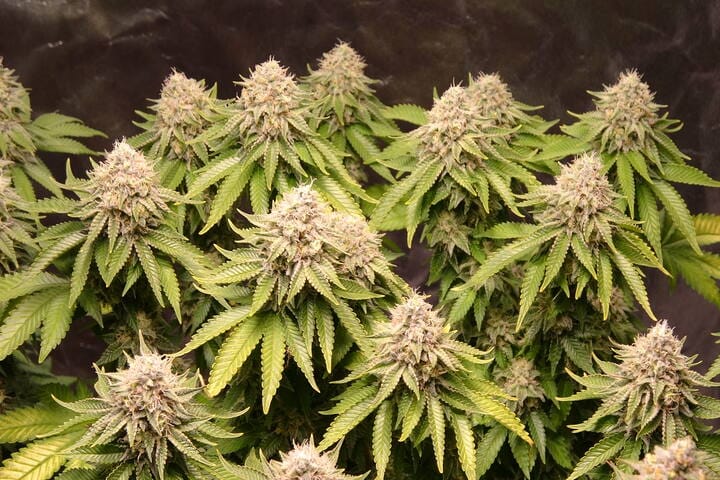
If you’re planning to grow autoflowering cannabis plants, originally derived from Cannabis ruderalis, you’ve made a great choice. The main appeal of autoflowers is their rapid lifecycle—you can harvest a plant in a fraction of the time compared to traditional photoperiod strains.
However, growing autoflowers isn't always as easy or hands-off as some might assume. There are several common mistakes to avoid when growing autoflowers, as well as tips that can help you achieve a healthy, high-yielding grow. Let’s explore what to watch out for when growing autoflowers.
What Are Autoflowers?
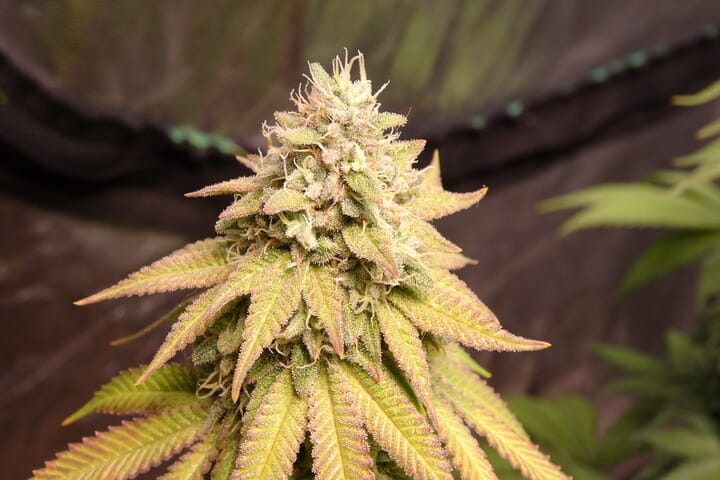
Autoflowers—or autoflowering cannabis plants—are unique in that they flower based on age rather than light cycle. With photoperiod strains, plants transition from the vegetative stage to flowering when light exposure shifts to 12 hours on and 12 hours off, or even longer periods of darkness per day.
Autoflowers, on the other hand, begin flowering automatically—usually around four weeks after germination—regardless of light cycle. This is thanks to Cannabis ruderalis, a hardy, fast-flowering species that was crossbred with indica and sativa strains to create the modern autoflowering genetics we have today.
Autoflowers are especially popular with beginner growers because they require less maintenance and can be harvested quickly—often in just 8–10 weeks from seed.
Further Reading: What Does Autoflower Mean?
Common Mistakes When Growing Autoflowers
While autoflowers are deemed as beginner-friendly by some, there are still several pitfalls that can affect your grow. Here are the most common mistakes to avoid when growing autoflower cannabis:
Overwatering During Early Stages
One of the biggest mistakes growers make—especially with autoflower seedlings—is overwatering. Because autoflowers have relatively small and fast-developing root systems, sitting in soggy soil can lead to stunted growth or even root rot. During the seedling stage, it’s best to keep the growing medium slightly dry and use the “lift pot method” or a moisture meter to determine when to water.
Further Reading:How To Fix Cannabis Overwatering
Causing Transplant Shock
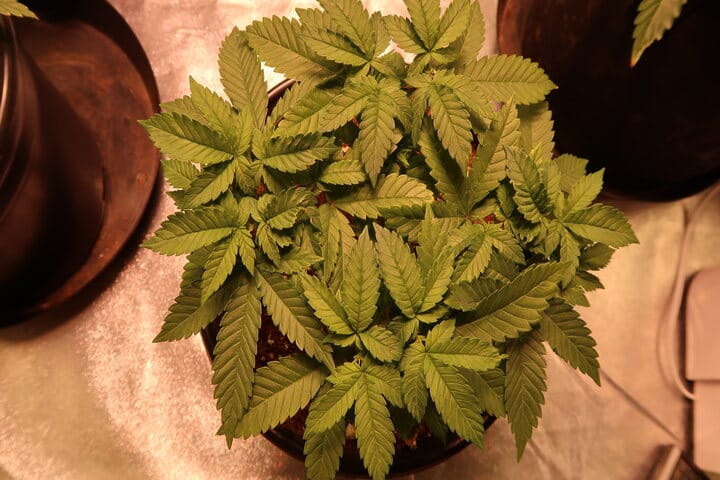
Autoflowers are sensitive to transplanting. Transplant shock—especially if done too early or too late—can cause major growth setbacks or reduced yields. To avoid this, most growers recommend planting autoflower seeds directly into their final containers, typically 3–5 gallons in size, to prevent root disturbance.
Using Too Many Nutrients
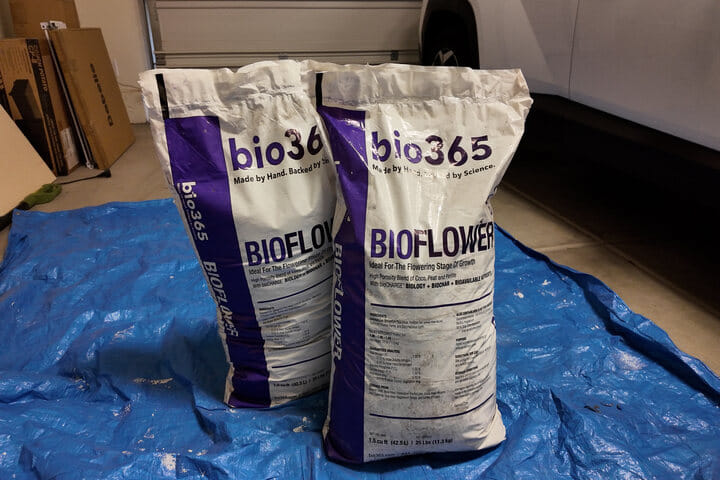
Overfeeding is another common issue. Unlike photoperiod strains, autoflowering cannabis plants typically require fewer nutrients, although this can vary depending on the genetics. Feeding them too heavily can result in nutrient burn or stunted growth. As a general rule of thumb, autoflowers often perform best with about half or ¾ the nutrient strength used for regular cannabis plants—especially during the early stages. That said, this can vary depending on the genetics, so it’s difficult to give a one-size-fits-all recommendation.
Training Too Late
Because autoflowers grow quickly and have short vegetative stages, there’s limited time for plant training. High-stress training (HST) done too late can harm the plant and reduce yields. If you plan to train your plants, low-stress training (LST) should be started early in the vegetative phase—typically by week 2 or 3 at the latest.
Ignoring Soil pH
Some growers assume that because autoflowers are fast and hardy, they don’t require careful pH monitoring. This is incorrect. Maintaining the proper pH level—around 6.0 to 7.0 in soil and 5.5 to 6.5 in soilless mediums—is essential for optimal nutrient uptake. Neglecting this can lead to deficiencies, even if your feeding schedule is spot-on.
Common Misconceptions About Autoflowers
Just as there are mistakes to avoid, there are also several autoflowering myths that need clearing up:
Autoflowers Are Weak
Some people believe autoflowers are low in THC or not as potent as photoperiod strains. While this may have been true in the early days of autoflower breeding, modern autoflower genetics are now capable of producing high-THC, high-terpene buds thanks to advancements in breeding.
Autoflowers Have Low Yields
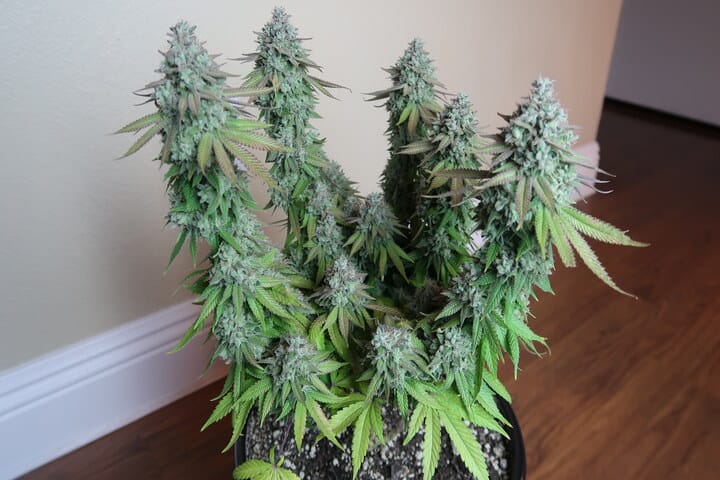
Another common misconception is that autoflowers can't produce large yields. While that may have been true in the early days, modern autoflower genetics can yield just as much—or even more—than photoperiod strains.
Photoperiods do offer one clear advantage: you can control the length of the vegetative stage. If you wanted, you could grow a plant into a 10-foot tree before switching it to flower. With autoflowers, you don’t have that flexibility since they flower on a set timeline.
However, with proper care and strong genetics, some growers report harvesting over 1 pound per autoflower plant.
Autoflowers Can’t Be Cloned
It’s commonly said that autoflowers can’t be cloned. Technically, you can clone an autoflower, but the clone will continue growing from the same stage as the parent—limiting its potential. For most growers, cloning autoflowers isn’t practical.
Autoflowers Need 24 Hours of Light
Many assume that because light cycle doesn’t affect flowering, autoflowers can be run under 24 hours of light. While this can work, 18–20 hours of light per day is possible. This gives the plant time to rest and prevents light stress or overheating.
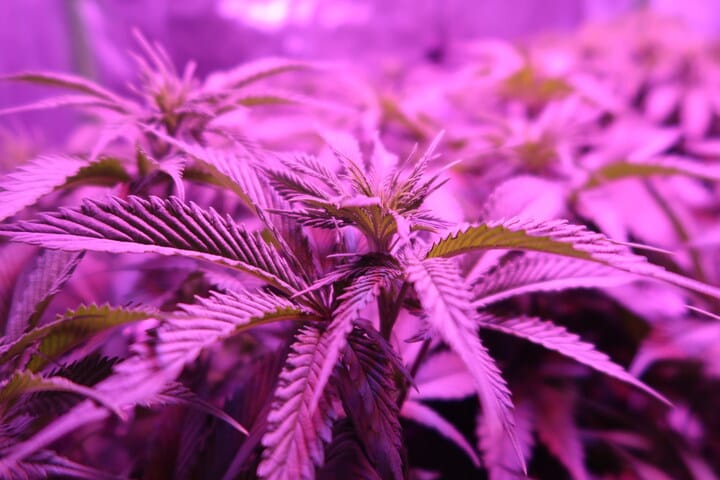
Further Reading: Hours Of Light For Autoflowering Cannabis
Tips for Growing Autoflowering Cannabis Plants
To help you succeed in your autoflower grow, here are some essential autoflower growing tips:
Don’t Transplant
Avoid transplant shock by planting directly into the final container—usually 3 to 5 gallons. Autoflowers don’t have time to recover from root disruption.
Use a High-Quality Medium
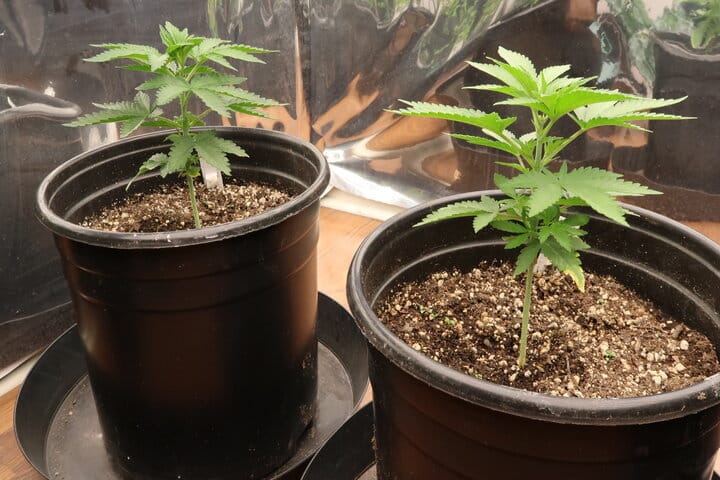
Choose a light, airy soil with excellent drainage and low initial nutrient content. Overly rich soil can burn seedlings.
Provide Strong Lighting
From the start, provide 30–40 watts per square foot of grow space using high-quality LEDs or full-spectrum lighting. Strong light is crucial for structure and yield.
Water Sparingly
Because of their small root systems, autoflowers don’t need frequent watering. Use a moisture meter or the lift-pot method: if the pot feels light, it’s time to water.
Monitor Trichomes for Harvest
Autoflowers are often marketed as ready in 10 weeks, but actual harvest time can vary. Use a magnifying glass or jeweler’s loupe to inspect trichomes and determine peak ripeness.
Final Thoughts on Growing Autoflowers
At the end of the day, autoflowers can be grown by both beginners and experienced growers. Just avoid common mistakes like overwatering, overfeeding, or late transplanting, and you’ll be well on your way to a successful harvest.
With the right genetics, solid environmental control, and a bit of patience, you can grow fast and potent autoflower plants that rival even the best photoperiod cultivars. For a complete walkthrough from seed to curing, check out my book 7 Steps to Grow Cannabis.