
There are many ways to grow cannabis, from hydroponics to organic soil. Depending on their growing style, growers are sold various types of fertilizers. Many of these products can be expensive and unsustainable for the planet. Luckily, there are many alternative natural items that can be turned into nutrient-rich fertilizers. Many can be found at home, from molasses and grass clippings to used coffee grounds. In this article, we'll explore some of the most popular options and why they work.
Why Use Alternative Fertilizers?
- Cost-Effective: Many alternative fertilizers are household items, reducing the need for expensive chemical fertilizers.
- Environmentally Friendly: Natural products improve soil health, enhance microbial activity, and minimize chemical runoff.
- Improved Quality: Organic inputs often lead to better terpene production and flavor profiles in cannabis.
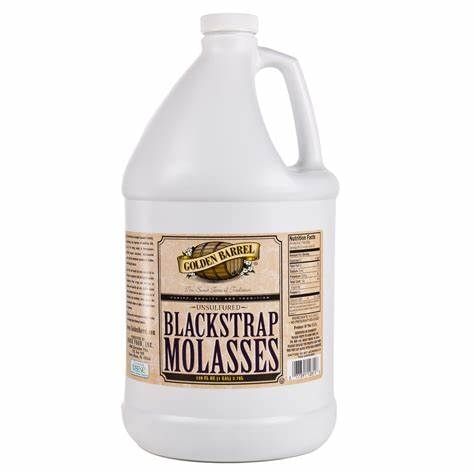
Molasses: Feeding the Soil Food Web
This natural sweetener is an excellent addition to any home gardener's fertilizer program. Often used as an additive to compost teas, molasses aids in the digestion of nutrients within your soil.
Why It Works
Molasses is rich in carbohydrates, calcium, magnesium, and potassium. It acts as a food source for beneficial soil microbes, enhancing the breakdown of organic matter and improving nutrient availability.
How to Use It
· Compost Tea Booster: Add 1-2 tablespoons of molasses per gallon of water in your compost tea.
· Soil Application: Mix one tablespoon of molasses in a gallon of water and apply as a drench to feed soil microbes.
Seaweed: Nature's Multi-Vitamin for Plants
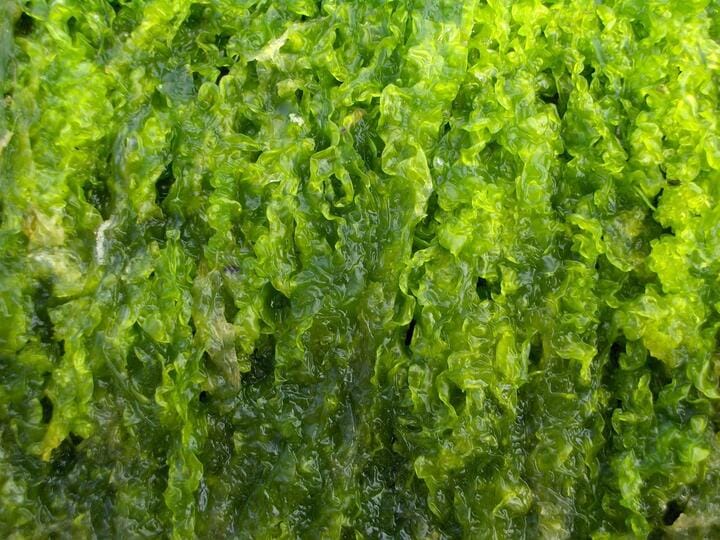
While this ocean-derived fertilizer can be found in many traditional organic fertilizers, you can use the unprocessed plant for free if you live near the ocean. Whether used as a soil amendment, foliar spray, or compost tea ingredient, seaweed helps plants thrive by boosting root health and improving overall resilience.
Why It Works
Seaweed contains micronutrients, trace minerals, and natural growth hormones like cytokinins, auxins, and gibberellins. These elements stimulate root growth, enhance nutrient uptake, and improve plant resilience against stress. Its potassium content makes it particularly beneficial during the flowering stage, promoting bigger, healthier buds.
How to Use It
· Rinse to Remove Salt: Rinse fresh seaweed thoroughly with fresh water to remove any excess salt that could harm your plants. A quick soak in a bucket of water can also help.
· Mulch Application: Spread the rinsed seaweed directly on the soil as a mulch around your cannabis plants. As it breaks down, it will release nutrients like potassium, magnesium, and trace elements into the soil while also helping to retain moisture.
· Seaweed Tea: Fill a bucket with fresh seaweed and cover it with water. Let it steep for 2-3 weeks, stirring occasionally. Strain the liquid and dilute it with water (1 part tea to 10 parts water) before applying it as a soil drench or foliar spray.
· Compost Additive: Add fresh seaweed to your compost pile to enhance its nutrient profile and encourage faster decomposition. Its high mineral content enriches the finished compost, making it an excellent soil amendment.
Coffee Grounds: A Nitrogen Boost
Coffee grounds are a versatile and sustainable addition to any home garden. Even if you don't drink coffee, most local coffee shops will give you massive amounts of spent grounds for free. Mix directly into your soil or add to your compost to reap the benefits of this caffeine-rich alternative.

Why It Works
Coffee grounds can contribute nitrogen and trace minerals to your soil but should typically be composted first. They hold on to moisture, increasing water retention, and are even known to kill slugs from caffeine poisoning.
How to Use It
· Soil Amendment: Sprinkle used coffee grounds around the base of your plants and lightly mix them into the topsoil.
· Compost Ingredient: Add coffee grounds to your compost pile for a nitrogen-rich boost.
Comfrey: Potassium-Packed Fertilizer
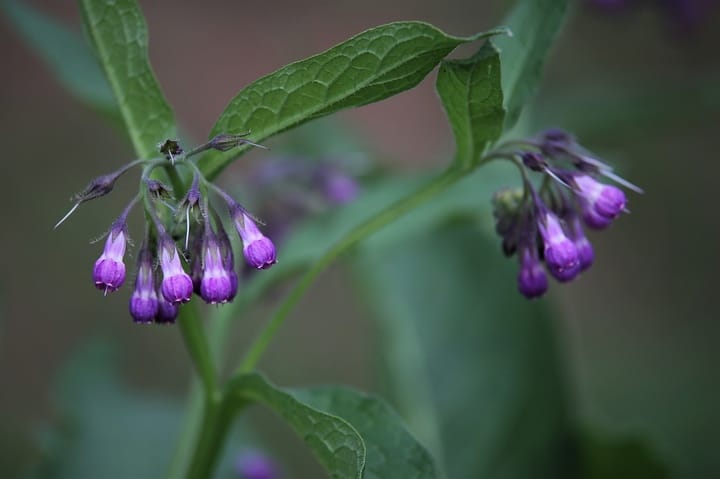
Comfrey is a nutrient-rich plant from which every gardener can benefit. There are several ways to use comfrey to harness the rich nutrients stored within its leaves. From fermented teas to direct soil applications or simply composted, comfrey is a staple in permaculture gardens.
Why It Works
Comfrey leaves are well known in the permaculture world as bioaccumulators, which suggests they accumulate more minerals than other plants. Because of their packed nutrient content, they make fantastic companion plants that can be "chopped and dropped" directly on the soil surface or brewed into tea. Comfrey also accelerates the decomposition process in compost piles, enriching your soil.
How to Use It
· Fermented Comfrey Tea: Fill a bucket with comfrey leaves, add water, and let it steep for 1-2 weeks. Stir occasionally. Strain and dilute 1 part tea to 10 parts water before applying to plants as a soil drench or foliar spray.
· Soil Conditioner: Chop fresh comfrey leaves and scatter them near the base of plants to release nutrients as they decompose.
· Compost Booster: Add comfrey leaves to your compost pile to increase decomposition and improve nutrient content.
Kefir: A Probiotic Boost for Soil Health
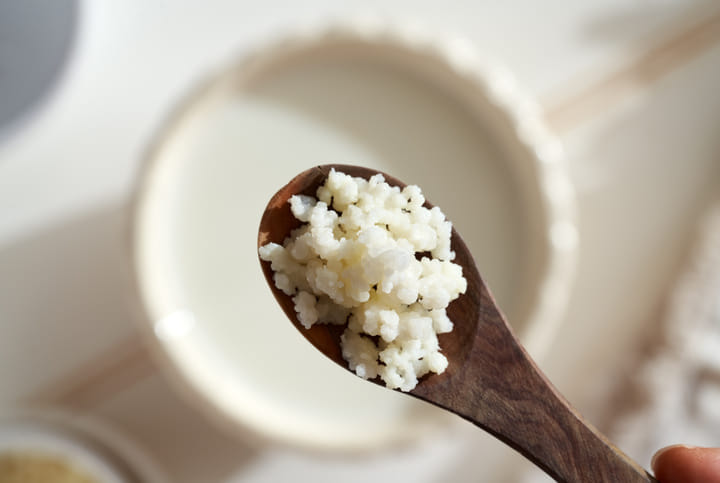
Kefir isn't just for your gut health—it's also a game-changer for your garden. This probiotic-rich liquid introduces beneficial microbes to your soil, improving nutrient availability and suppressing harmful pathogens. Simple to use and highly effective, kefir is a natural way to boost plant vitality and soil health.
Why It Works
Kefir, a fermented dairy product, is rich in beneficial microbes that improve soil health by breaking down organic matter and enhancing nutrient availability. Its lactic acid bacteria also help suppress harmful pathogens in the root zone, creating a healthier growing environment.
How to Use It
· Soil Drench: Dilute 1 cup of kefir in a gallon of water and pour it around the base of your cannabis plants to encourage microbial activity.
· Foliar Spray: Mix ½ cup of kefir with a gallon of water, strain well, and use as a foliar spray to coat leaves with beneficial bacteria.
· Compost Activator: Add kefir to your compost pile to boost microbial diversity and speed up decomposition.
Eggshells: Calcium for Strong Growth
Eggshells are a simple and natural way to enrich your garden soil. Packed with calcium and trace minerals, they help strengthen plant cell walls. Whether crushed into powder, steeped into a nutrient tea, or added to compost, eggshells are a sustainable option for improving soil health and supporting robust plant growth.

Why It Works
Eggshells are a rich source of calcium, essential for cell wall development and preventing nutrient deficiencies. Breaking down the shells through baking, grinding, or the use of acid increases the calcium availability to plants.
How to Use It
· Powdered Fertilizer: Crush dried eggshells into a fine powder and sprinkle it into the soil.
· Eggshell Tea: Boil crushed shells in water, let cool, and use the water to irrigate plants.
· Water-soluble calcium: Bake and crush eggshells, mix with vinegar (1:10 ratio), let it react for 5-7 days, strain, dilute, and apply to plants as a root drench or foliar.
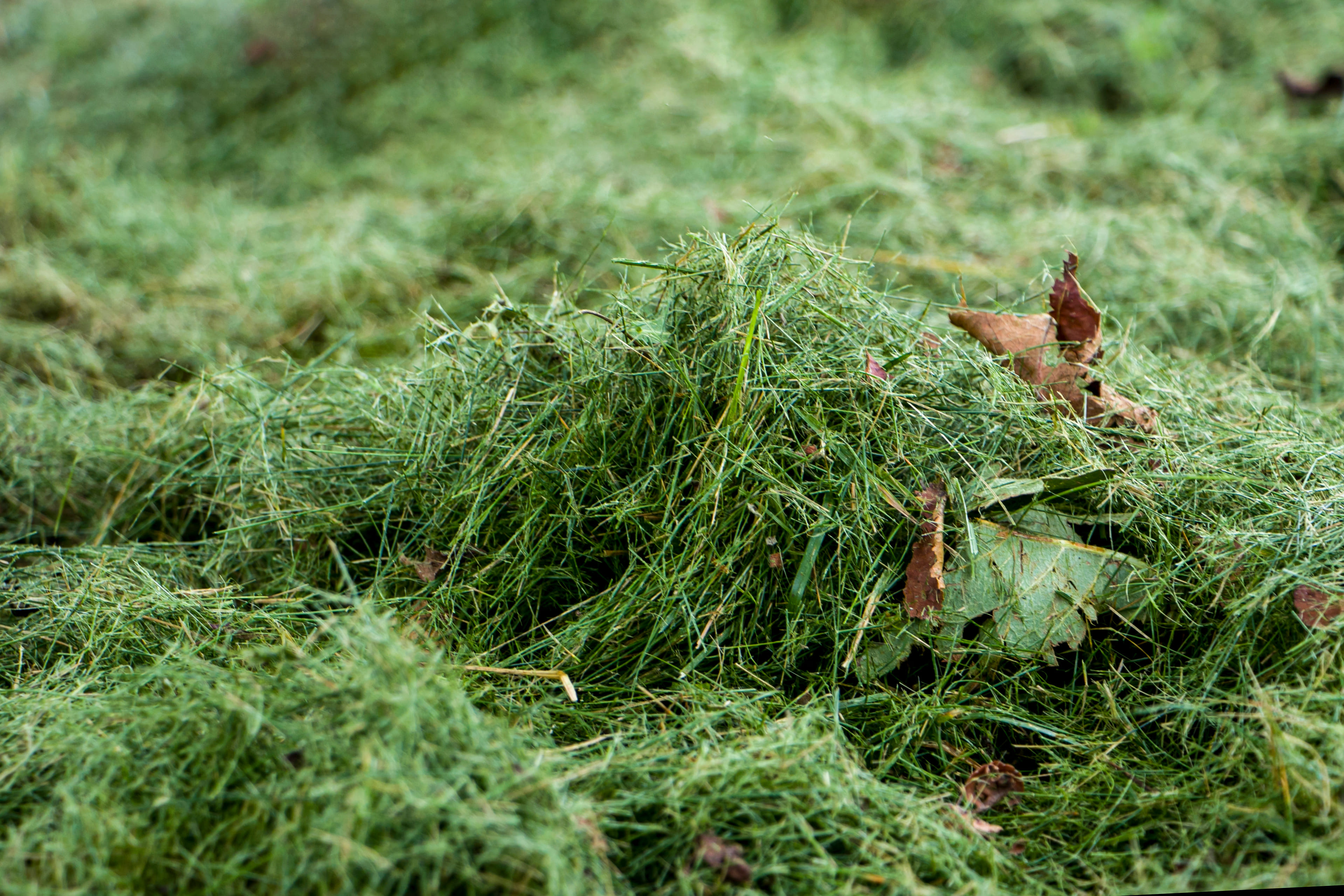
Grass Clippings: A Nitrogen-Rich Mulch and Compost Booster
Grass clippings are a simple, sustainable, and often overlooked fertilizer option for home gardens. Rich in nitrogen and organic matter, they can be used as mulch, added to compost, or mixed directly into the soil. Easy to source and highly effective, grass clippings are a fantastic way to boost soil health and support thriving plants.
Why It Works
Grass clippings are a readily available and nitrogen-rich resource that provides essential nutrients for healthy plant growth. They decompose quickly, feeding the soil while improving its moisture retention. When used as mulch, grass clippings can suppress weeds and regulate soil temperature, creating a more stable growing environment.
How to Use It
· Mulch Application: Spread a thin layer of fresh grass clippings around the base of your plants, ensuring they don't mat down, which can lead to mold or rot.
· Compost Booster: Mix fresh or dried clippings into your compost pile as a green (nitrogen) component, balancing them with brown (carbon) materials like dried leaves or straw.
· Soil Amendment: Allow clippings to dry for a few days and mix them into the soil before planting as a quick-release nitrogen source.
Tips for Using Alternative Fertilizers
- Test Soil First: Know your soil's pH and nutrient levels to avoid over-fertilization or imbalances.
- Use Sparingly: Start with small amounts and observe your plants' response before increasing usage.
- Combine Approaches: Mix alternative fertilizers with organic compost or store-bought organic blends for balanced nutrition.
- Avoid Overwatering: Overuse of liquid fertilizers can lead to nutrient leaching.
Final Thoughts
Alternative fertilizers like molasses, coffee grounds, seaweed, and other natural products can provide cannabis plants with the necessary nutrients while promoting sustainable gardening practices. Whether you're a seasoned cultivator or a hobbyist, incorporating these simple solutions into your grow strategy can lead to healthier plants, better yields, and flavorful harvests.
So, dig into your pantry, comb beaches, plant comfrey, save your grass clippings, and give these alternatives a try—your cannabis garden will thank you!