

By Jorge Cervantes
After four decades of teaching cannabis cultivation and witnessing the same problems destroy countless grows, I've identified the most damaging mistakes that continue to plague growers at every level. These errors aren't just setbacks; they're growth killers that cost cultivators time, money, and heartbreak. Here are the 10 critical mistakes you must stop making if you want to achieve consistent cultivation success.
1. Overwatering: The Silent Plant Killer
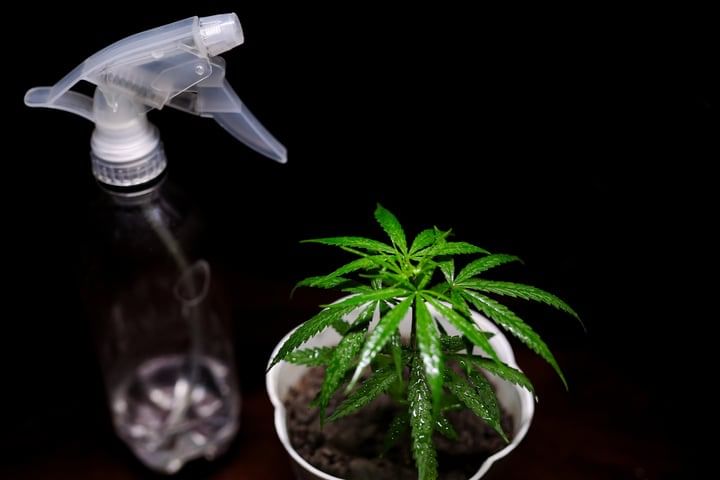
Overwatering remains the number one cause of cannabis plant death. This isn't about giving plants too much water—it's about watering too frequently, which prevents root oxygenation and leads to root rot.
I see this mistake destroys more grows than any other problem. New growers often think they're showing love by watering their plants daily, but they're suffocating them. Cannabis roots need oxygen cycles, which only happen when the soil dries between waterings.
How to fix it: Water only when the top inch of soil feels dry. Lift your containers—dry soil weighs significantly less than wet soil. For detailed watering techniques, consult Chapter 20 of The Cannabis Encyclopedia, which covers proper water quality and watering methods.
Signs you're overwatering:
- Droopy, yellow leaves that feel soft and mushy
- Slow growth despite adequate lighting
- Soil that smells sour or musty
- Fungus gnats around your growing medium
2. pH Problems: The Invisible Barrier to Growth
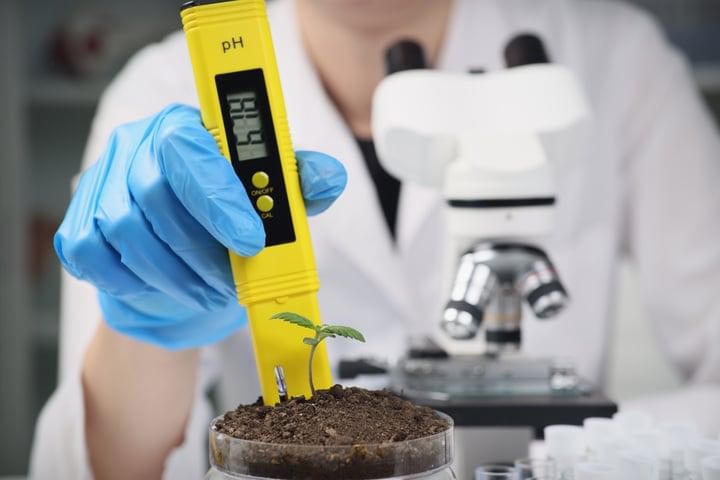
pH issues can create a nutrient lockout, where plants exhibit deficiency symptoms despite receiving adequate nutrition. Even the most perfect nutrients become useless when the pH level sits outside the optimal range.
This mistake frustrates growers because they observe deficiency symptoms and respond by adding more nutrients, which often exacerbates the problem. I've watched experienced growers chase nutrient deficiencies for weeks when the real problem was pH drift.
Optimal pH ranges:
- Soil: 6.0-7.0
- Hydroponic/Soilless: 5.5-6.5
Essential tools: Invest in a quality pH meter and calibration solutions. Chapter 15 of The Cannabis Encyclopedia explains why pH and EC meters are essential tools for successful cultivation.
3. Nutrient Burn: The Overzealous Feeding Mistake
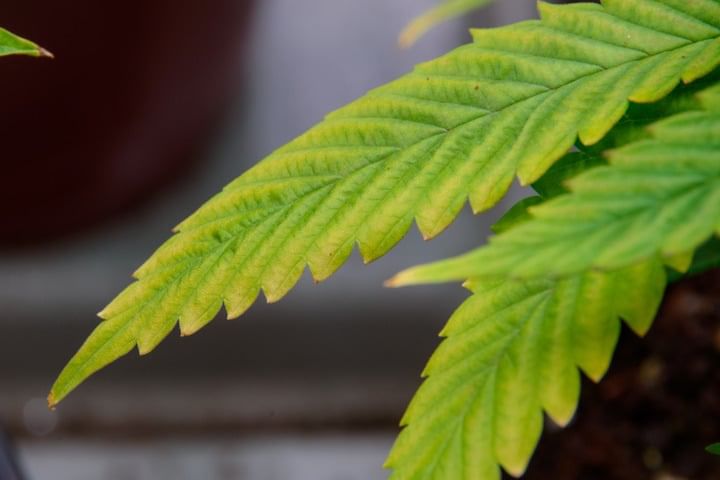
More nutrients don't equal bigger plants—they equal dead plants. Nutrient burn affects nearly half of all feeding-related problems, with growers pushing manufacturer feeding schedules that are typically too aggressive.
I consistently advise growers to start with quarter-strength nutrients and gradually build up. Cannabis plants often thrive on less nutrition than you think, especially during early growth stages.
Classic nutrient burn symptoms:
- Brown, crispy leaf tips
- "Claw" curling of leaves
- Dark, burnt-looking leaf edges
- Stunted growth despite heavy feeding
For comprehensive nutrient guidance, refer to Chapter 21 of The Cannabis Encyclopedia, which covers essential nutrients for cannabis growth and achieving a proper nutrient balance.
4. Light Burn: The Modern LED Problem
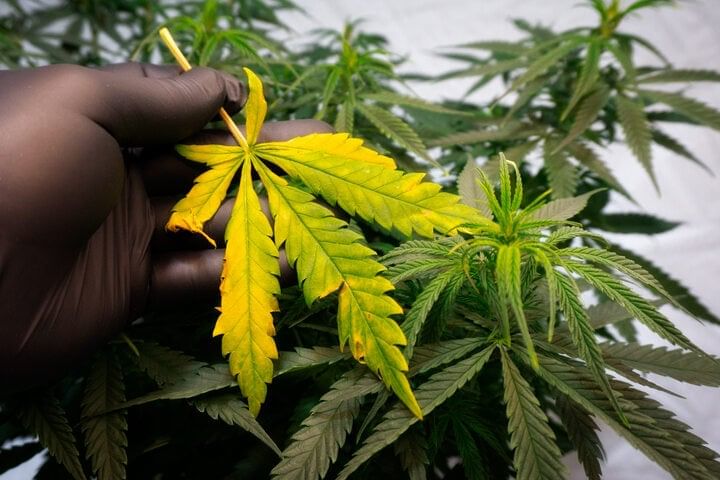
Light burn has become epidemic with powerful modern LED lights. Unlike heat stress, light burn permanently damages the photosynthetic apparatus, resulting in bleached, white tops and reduced potency in affected areas.
This mistake has become widespread as growers upgrade to high-intensity LEDs without understanding the proper distances and intensities. I see beautiful grows ruined by growers who think "more light equals more growth."
Preventing light burn:
- Follow manufacturer's distance recommendations
- Monitor daily for bleaching symptoms
- Use light meters to measure PPFD levels
- Gradually increase light intensity during vegetation
5. Environmental Control Failures
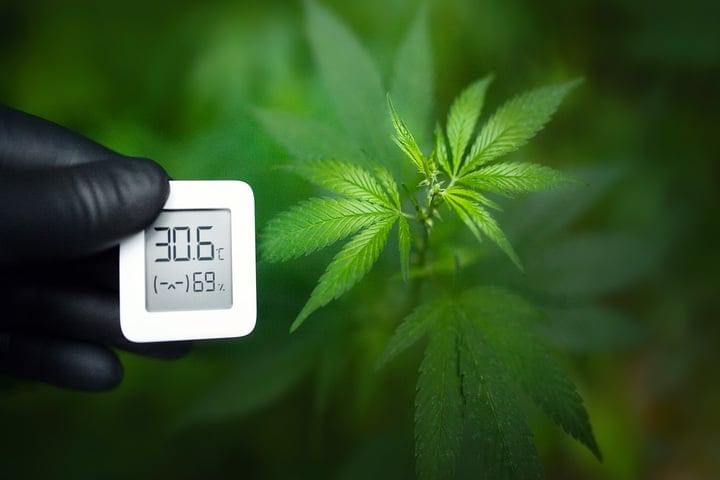
Poor environmental control creates a cascade of problems throughout the entire grow cycle. Temperature and humidity imbalances stress plants, making them susceptible to pests, diseases, and reduced potency.
In Chapter 16 of The Cannabis Encyclopedia, I emphasize that "any mistake in the indoor growing environment can significantly impact your harvest."
Optimal environmental ranges:
- Temperature: 70-85°F days, 58-70°F nights
- Humidity: 65-70% seedling stage, dropping to 30-45% during flowering
- Air circulation: Complete air exchange every 1-3 minutes
Critical environmental factors:
- Consistent temperature prevents stress and hermaphroditism
- Proper humidity prevents mold and maximizes trichome production
- Adequate ventilation supplies fresh CO2 and prevents pest infestations
6. Poor Pest and Disease Prevention
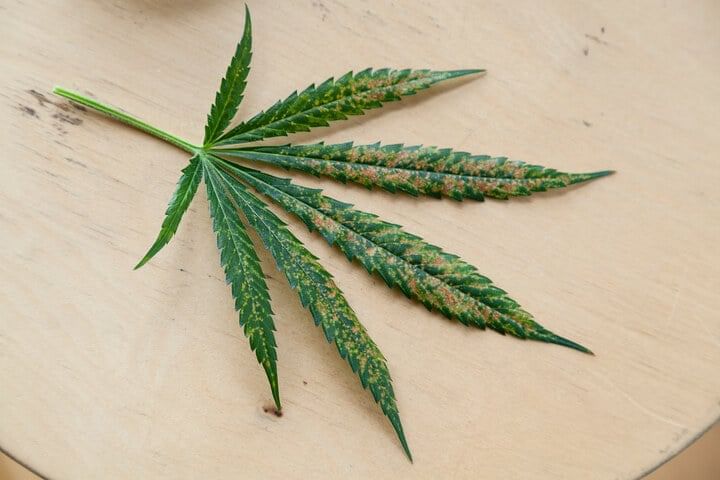
Reactive pest management fails—prevention through environmental control proves far more effective than treatment. Spider mites can produce a million offspring in under a month, while powdery mildew and bud rot can destroy entire harvests overnight.
I've seen growers lose months of work to preventable pest problems. Once spider mites or powdery mildew establish, they're challenging to eliminate without compromising your harvest.
Prevention strategies:
- Maintain proper humidity and air circulation
- Inspect plants daily during routine maintenance
- Quarantine all new plants and clones
- Keep grow areas clean and sterile
Chapter 24 of The Cannabis Encyclopedia provides comprehensive resources for identifying, preventing, and treating common cannabis diseases and pests.
7. Harvesting Too Early
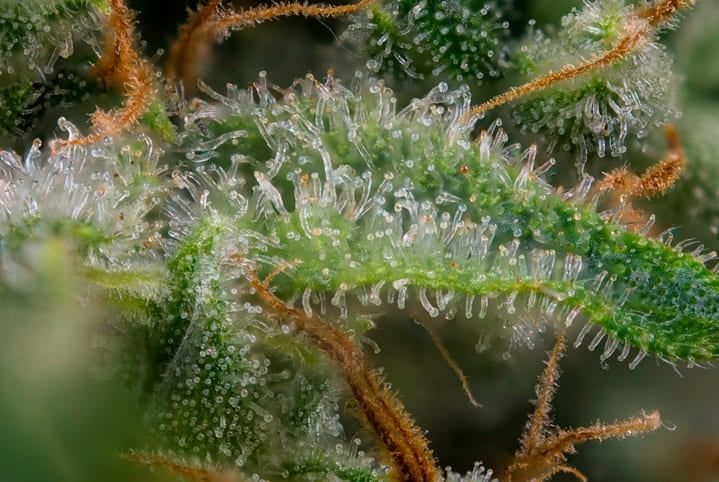
Premature harvesting has a direct impact on the final product's quality and potency. Impatient growers typically harvest when trichomes are still clear, resulting in weak, ineffective cannabis.
This mistake stems from excitement and impatience rather than ignorance. After months of cultivation, growers want their reward immediately. However, timing the harvest correctly can make the difference between mediocre and exceptional cannabis.
Proper harvest indicators:
- 70-90% milky trichomes with 10-30% amber for peak potency
- Pistils have darkened and receded into calyxes
- Buds feel firm and heavy with resin
Chapter 9 of The Cannabis Encyclopedia offers expert advice on harvesting, drying, and curing cannabis to maximize your yield's potential.
8. Transplant Shock and Poor Root Management
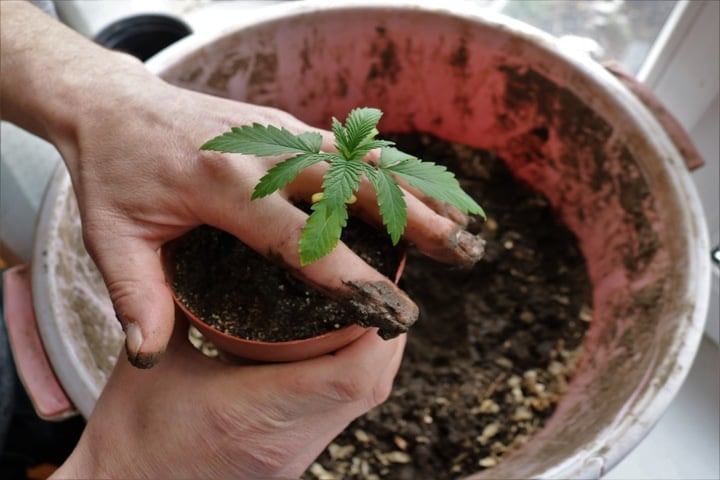
Transplanting problems occur at critical growth moments when plants are most vulnerable. Poor transplanting technique can shock plants and permanently stunt their development.
I consider transplanting "the most critical moment" in plant development. Handle roots gently, maintain consistent moisture levels, and minimize root disturbance during transitions to ensure optimal growth.
Transplanting best practices:
- Transplant during early vegetative growth
- Water plants 24 hours before transplanting
- Handle root balls gently—never squeeze or compress
- Maintain consistent light and temperature after transplanting
Chapter 6 of The Cannabis Encyclopedia focuses on the vegetative stage and optimal conditions for nurturing healthy cannabis plants.
9. Excessive Defoliation and Plant Stress
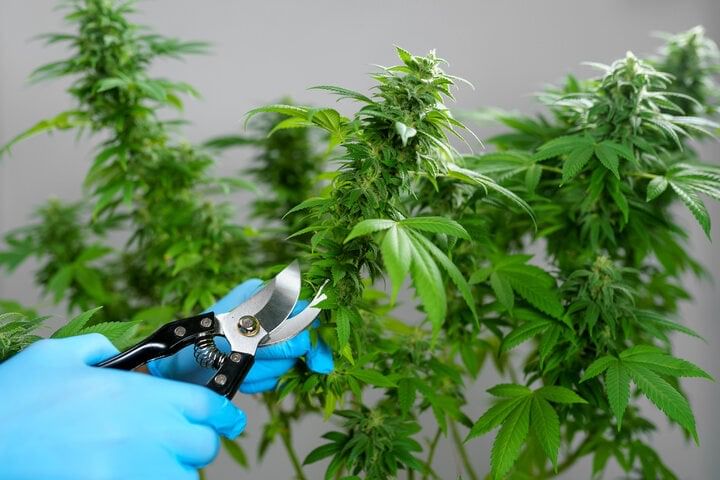
Removing healthy leaves reduces a plant's photosynthetic capacity and stresses it unnecessarily. I frequently see intermediate growers strip plants bare, thinking they're improving light penetration.
My rule is simple: "Remove only leaves that are more than 50 percent damaged." Healthy leaves drive photosynthesis and store energy reserves. Excessive defoliation forces plants to redirect energy from bud development to leaf replacement.
Smart defoliation practices:
- Remove only yellowing, damaged, or diseased leaves
- Focus on improving air circulation rather than light penetration
- Time defoliation carefully—avoid during flowering transitions
- Less is more—conservative removal prevents stress
10. Inadequate Equipment and Setup Planning
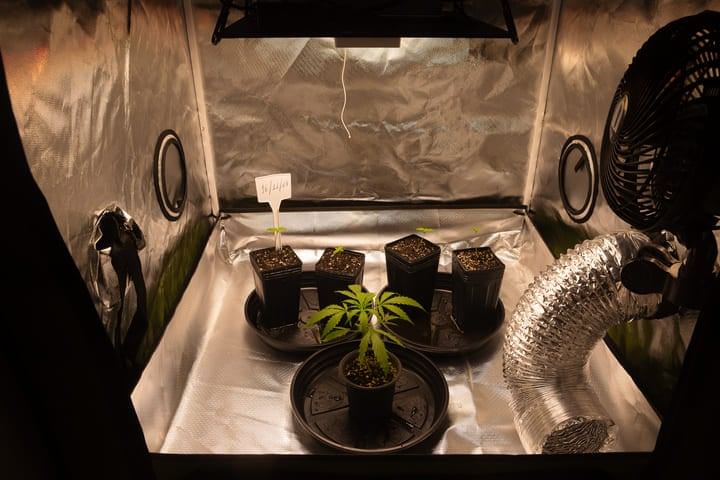
Investing in quality equipment prevents multiple downstream problems. Cheap pH meters can give false readings, inadequate ventilation systems can create environmental problems, and improper light selection can waste electricity while producing subpar results.
I've learned that growers who invest in quality equipment from the start save money and frustration in the long term. Cheap equipment often leads to higher costs due to failed crops and the need for constant replacements.
Essential quality equipment priorities:
- Accurate pH and EC meters with proper calibration solutions
- Adequate ventilation with proper fan sizing
- Quality LED lights with appropriate coverage
- Reliable timers and environmental controllers
Planning considerations:
- Size ventilation for your space volume and heat load
- Calculate electrical requirements before installation
- Plan for plant growth—small seedlings become large plants
- Include space for equipment maintenance and plant access
For comprehensive setup guidance, Chapter 10 of The Cannabis Encyclopedia provides a complete guide to establishing and maintaining an indoor cannabis garden.
Building Cultivation Mastery
These ten mistakes account for approximately 80% of cultivation failures I encounter. The pattern is clear: prevention through education and systematic approaches consistently outperform reactive problem-solving.
The path to cultivation success:
- Master the fundamentals before attempting advanced techniques
- Monitor daily rather than weekly—problems develop quickly
- Keep detailed records to identify patterns and improve consistently
- Invest in quality equipment and education rather than cutting corners
- Focus on plant health rather than maximizing yield
Essential learning resources:
The Cannabis Encyclopedia provides comprehensive coverage of every aspect of cannabis cultivation. This free, 600-page resource, featuring nearly 2,000 color images, represents four decades of cultivation knowledge and remains the most comprehensive guide available to growers worldwide.
Key chapters for avoiding these mistakes:
- Chapter 15: pH and EC Meters
- Chapter 16: Indoor Air Quality
- Chapter 20: Water Quality and Watering Methods
- Chapter 21: Essential Nutrients
- Chapter 24: Disease and Pest Management
Your Path Forward
Cannabis cultivation success stems from understanding plant biology, maintaining optimal environmental conditions, and avoiding common pitfalls. After four decades of teaching cultivation, I can confidently say that growers who master these fundamentals achieve consistent, high-quality results.
Remember: every expert was once a beginner who refused to repeat the same mistakes. Learn from these errors, study the fundamentals, and build your cultivation knowledge systematically. Your plants—and your harvests—will thank you.
The journey to cultivation mastery begins with avoiding these critical mistakes. Start today, and join the community of successful growers who've learned to work with cannabis plants rather than against them.
Jorge Cervantes has been educating cannabis cultivators for more than four decades. His comprehensive Cannabis Encyclopedia, available free at marijuanagrowing.com, represents the most complete cultivation guide available to growers worldwide. For premium genetics to practice these techniques, explore quality seed options from trusted suppliers like Seedsman.


