
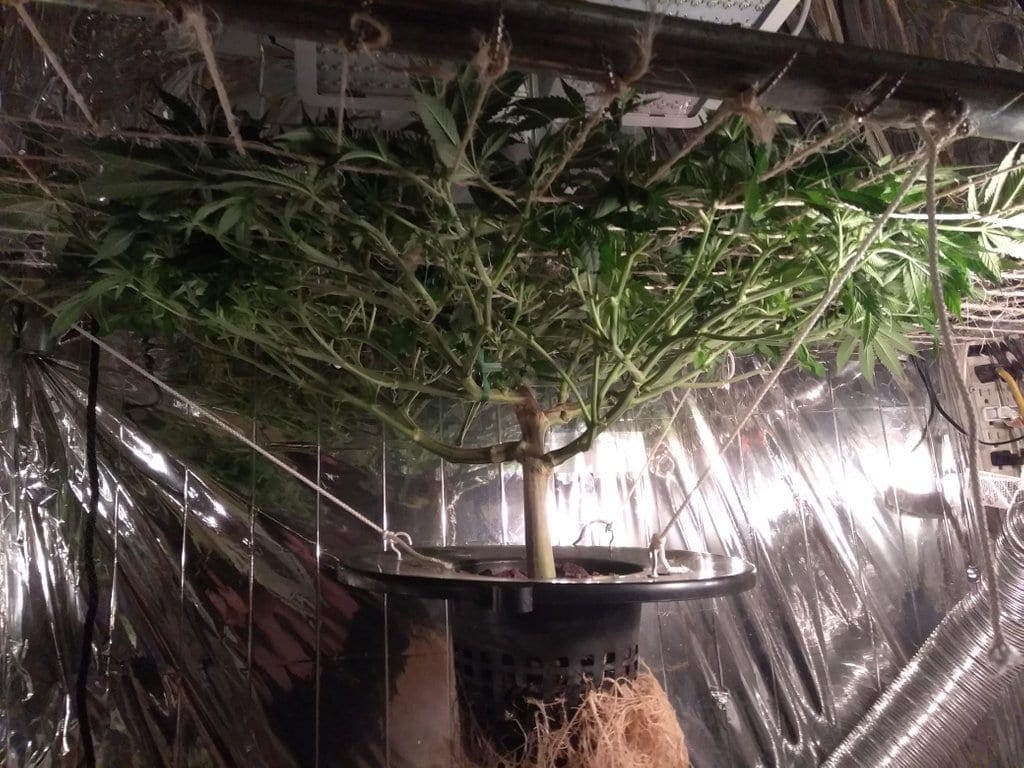

Not every grow needs more plants to produce more. Sometimes, it's about using the space you already have - more thoughtfully.
Screen of Green, or SCROG for short, is built on that idea. Instead of letting plants stretch upward and compete for light, it encourages a slower, more deliberate approach. One where growth is guided, spread out horizontally, and given room to develop evenly. It shifts the focus from height to shape. From reacting to growth, to directing it.
For growers working with limited space - or simply looking for a more hands-on way to refine their results - SCROG offers a way to bring structure, balance, and consistency into the environment.
The good news is Screen of Green is fairly easy to set up, and although it may sound like an advanced technique, even a newcomer can apply the SCROG method. All that's required is a little space and some time and effort to put it together.
Related Post
How To Choose The Best Outdoor Strains For YouWhat is the SCROG Method?

At its core, SCROG is a cannabis plant training technique that allows growers to train plants to grow horizontally through a screen or mesh. It can be used whether growing cannabis indoors or outdoors. As the plants develop, branches are gently guided and tucked beneath the screen, spreading growth across a wider surface area. Over time, this creates a flat, even canopy where each top receives consistent exposure to light. Instead of a single dominant cola, you end up with multiple well-developed flowering sites - each given the space and light it needs to thrive.
The screen itself can be simple:
- String or rope tied into a grid
- Netting or mesh
- Even repurposed materails like garden wire
What matters isn't perfection - it's function. A structure that allows you to guide growth while supporting the plant as it fills out.
Why Growers Choose SCROG
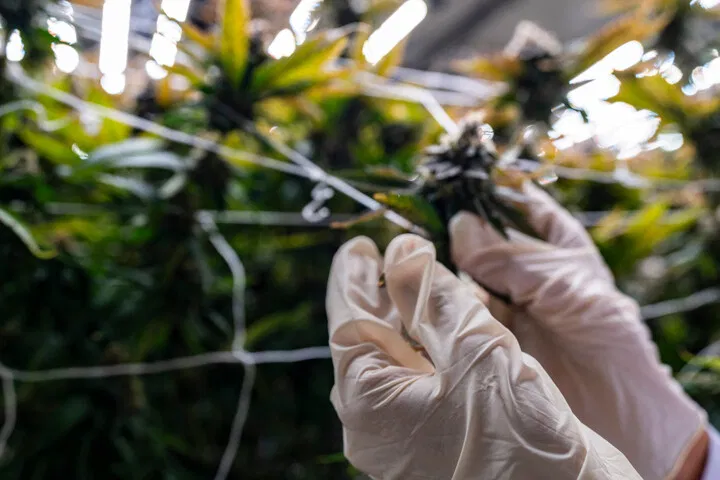
SCROG tends to appeal to growers who want more control over their space. By spreading the canopy evenly, light is distributed more efficiently. Instead of penetrating uneven layers of foliage, it reaches across a level surface, reducing wasted energy and encouraging more consistent development.
But the real shift is in how the grower interacts with the plant. SCROG doesn't mean just leaving the plant to grow. SCROG sees the growers intentionally shape the plant over time.
This means:
- Redirecting energy into multiple tops
- Managing height without constant cutting
- Creating structure that supports better airflow and light exposure
The result is often a more balanced plant, and a more engaged grower.
That said, SCROG isn't hands-off. It asks for attention. Regular checks. Small adjustments. For many, that's part of the appeal. For others, it may feel like too much involvement.
Related Post:The 5 Best Cannabis Strains For A SCROG Setup
How to Set Up a SCROG Screen
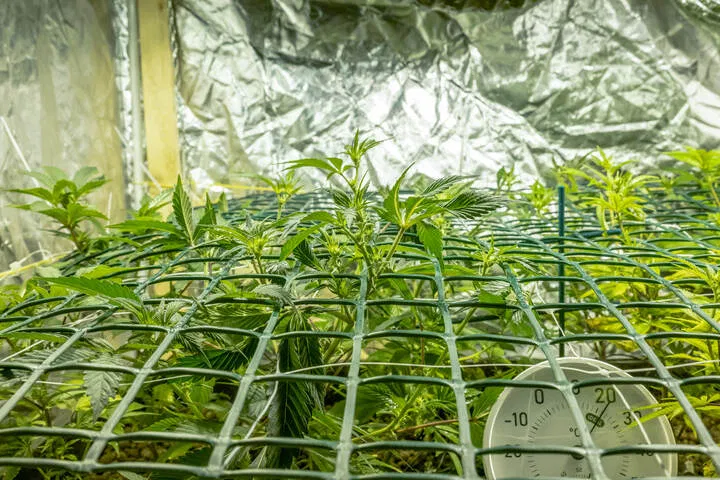
A SCROG screen doesn't need to be complicated, but it does need to fit your space.
Many growers choose to build their own so they can match the dimensions of their grow area. A simple wooden frame with string or mesh work perfectly well, but equally, ready-made options can do the job just as effectively.
A few things to keep in mind:
- Grid spacing of around 5-10cm gives enough space to work with each branch
- The screen should be sturdy enough to support developing growth
- Positioning matters - low enough to guide the plant early, but with enough space for airflow and access.
Most growers install the screen during the vegetative stage, once the plant has developed enough structure to begin training. Waiting too long can mean the branches become less flexible and harder to work with.
Training the Plant: The Ongoing Process
Once the screen is in place, it's time to begin training any stems that are breaking through already.
As branches grow up toward the screen, they're gently guided back underneath and directed across empty space. Over time, the canopy behins to fill out - each section gradually occupied by new growth. It's not about forcing the plant into shape. It's about guiding it, little by little.
A typical rhythm might involve:
- Checking the canopy every couple of days
- Tucking or repositioning new growth
- Keeping the surface as even as possible
There's a patience to it. A sense of building something gradually, rather than rushing toward the end result.
Managing the Canopy
As the screen fills, the space above it becomes dense with growth. Managing that environment becomes just as important as shaping the plant itself.
Light, airflow, and space all need to be considered.
Some growers choose to employ defoliation by removing the larger fan leaves or lower growth that isn't receiving much light. Not aggressively, but selectively - creating space for airflow and allowing the plant to focus its energy where it matters most.
Ventilation also plays a key role here. A dense canopy can trap humidity, wich increases the risk of mold or uneven conditions. Keeping air moving through the space helps maintain balance and consistency among the plants.
Related Article:A Guide To Cannabis Defoliation
Should You Top Plants in SCROG?

Topping is a way of encouraging your plant to create multiple branches. It’s also quite simple to do. Simply cut the top of the plant as it comes through the netting. Most growing plants develop one main cola which is dominant over the rest the foliage. Topping the cola should lead to two stems forming in that place, meaning more plant develops to train over the canopy. FIM-ing is a similar practice, where the growers shave the stem of the plant rather than cutting it off completely.
These methods aren't essential, but they can make the training process more effective, especially when aiming for a full, even canopy.
Related Article:The Difference Between Topping And Fimming
SCROG vs SOG: Two Different Approaches

SCROG and Sea of Green (SOG) are often mentioned together. While they are both valid plant training techniques, they reflect very different methods of growing.
SCROG focuses on:
- Fewer plants
- More hands-on training (guiding, tucking etc)
- Maximizing each individual plant
SOG, by contrast, leans toward:
- Packing more plants into a smaller space
- Minimal training
- Faster turnover with a single dominant cola per plant
If weighing up these methods, neither is inherently better. It depends on available space, free time, and how involved the grower wants to be in the process. SCROG suits growers who like to shape and refine plants themselves. How to grow cannabis using the Sea of Green method suits those who prefer simplicity and speed.
Getting the Most out of SCROG
Like most things in cultivation, success with SCROG comes down to consistency rather than perfection. A few principles tend to make a difference:
- Starting early, while branches are still flexible and easy to guide
- Working gradually - small adjustments are more effective than big corrections
- Keeping the canopy as even as possible to make the most of the available light
- Staying aware of airflow and humidity as the canopy thickens
- Avoiding over-pruning - removing too mycg can set the plant back
Effective SCROGing is less about following strict rules, and more about paying attention to how the plant responds.
SCROG: A Different Way To Grow
SCROG isn't just a technique for increasing yield. It changes the approach to the grow itself.
It brings a greater sense of structure to the space. Light is used more efficiently. Growth becomes more predictable. Instead of reacting to uneven development, it allows the cultivator to shape it as it happens - guiding the plant toward a more balanced outcome.
For growers who value that level of involvement, SCROG becomes more than a method. It's a way of working that rewards patience, attention, and a willingness to stay connected to the process from start to finish.