Crop steering is precisely what it sounds like - guiding a crop towards a desired or preferable outcome. This technique allows growers to optimize plant development for specific outcomes, such as enhanced yield, improved quality, or, more generally, better suitability to the growing environment. In cannabis cultivation, crop steering can be a critical tool, especially when taking specific cultivars out of their natural habitat and placing them, for example, in a harsher environment.
Cannabis crop steering is about strategically manipulating various environmental factors to influence and 'steer' the growth patterns of cannabis plants. It is fundamentally about influencing the plant's growth trajectory, primarily focusing on either enhancing vegetative growth or promoting flowering and bud development. Understanding how environmental factors dictate this balance is central to effective crop steering. To put it metaphorically, crop steering is a fire burning; the rate, intensity and duration of the fire can be somewhat controlled by adding or removing air (oxygen) or combustible materials; it is even possible to add accelerants such as gasoline or kerosene to change the rate of burning. Like the fire, crop steering is adjusting inputs to control outputs, usually within a limited set of variables!
A Split In The Road: Vegetative vs Flowering Phase
Most cannabis growers are crop steering to an extent by default. By shifting the conditions to favour vegetative growth or flowering, growers effectively steer the plant towards a desired growth phase, ultimately leading to a desired output. Vegetative growth in cannabis involves bulking the plant’s foliage and structural components, increasing leaves, stems and branching/flowering sites. During this phase, growers prioritize environmental conditions favouring robust vegetative development. These include providing ample light – more often with little red spectrum and more white and blue spectrums present, maintaining higher nitrogen levels in the feed/soil, and ensuring consistent humidity and moisture levels to support the continued growth of strong and healthy plants.
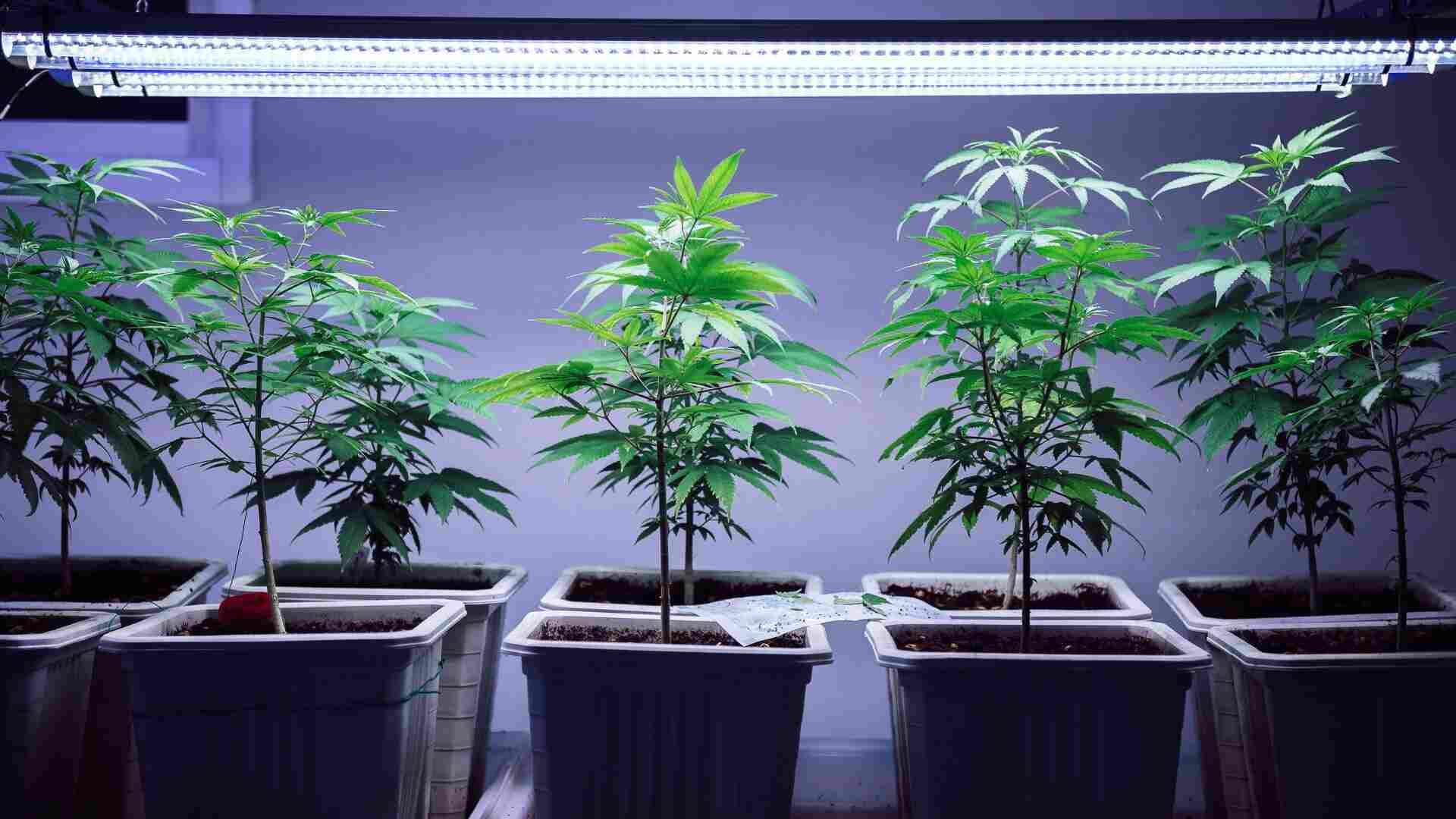
As the plant transitions from vegetative growth to flowering, its energy resources shift towards encouraging the development of flowers or buds, which are the primary tissues containing, for example, THC and CBD. In this flowering phase, environmental adjustments are crucial and, if not optimized, will reduce the output. As with most crops, light plays a significant role, with light intensity and spectrum changes often used to trigger and support flowering. Nutrient regimes also shift, reducing nitrogen in favour of increased phosphorus and potassium, which are key to ramping up flower development. Crop steering in this phase involves adjustment of physical conditions and a keen understanding of the plant’s physiological responses. For example, altering irrigation patterns can affect the plant's growth and flowering response.
Two-Way System: Feedback From The Plants
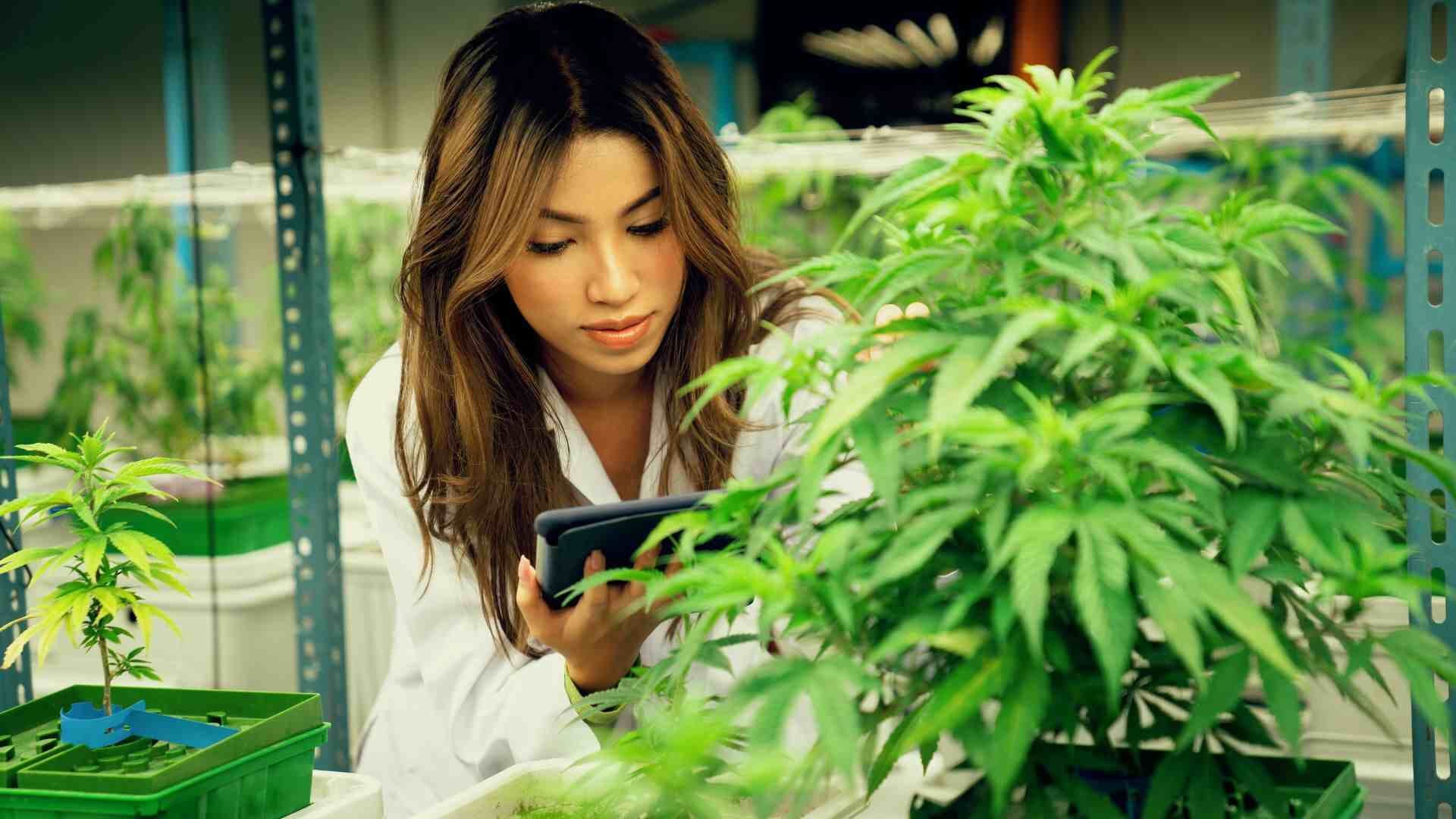
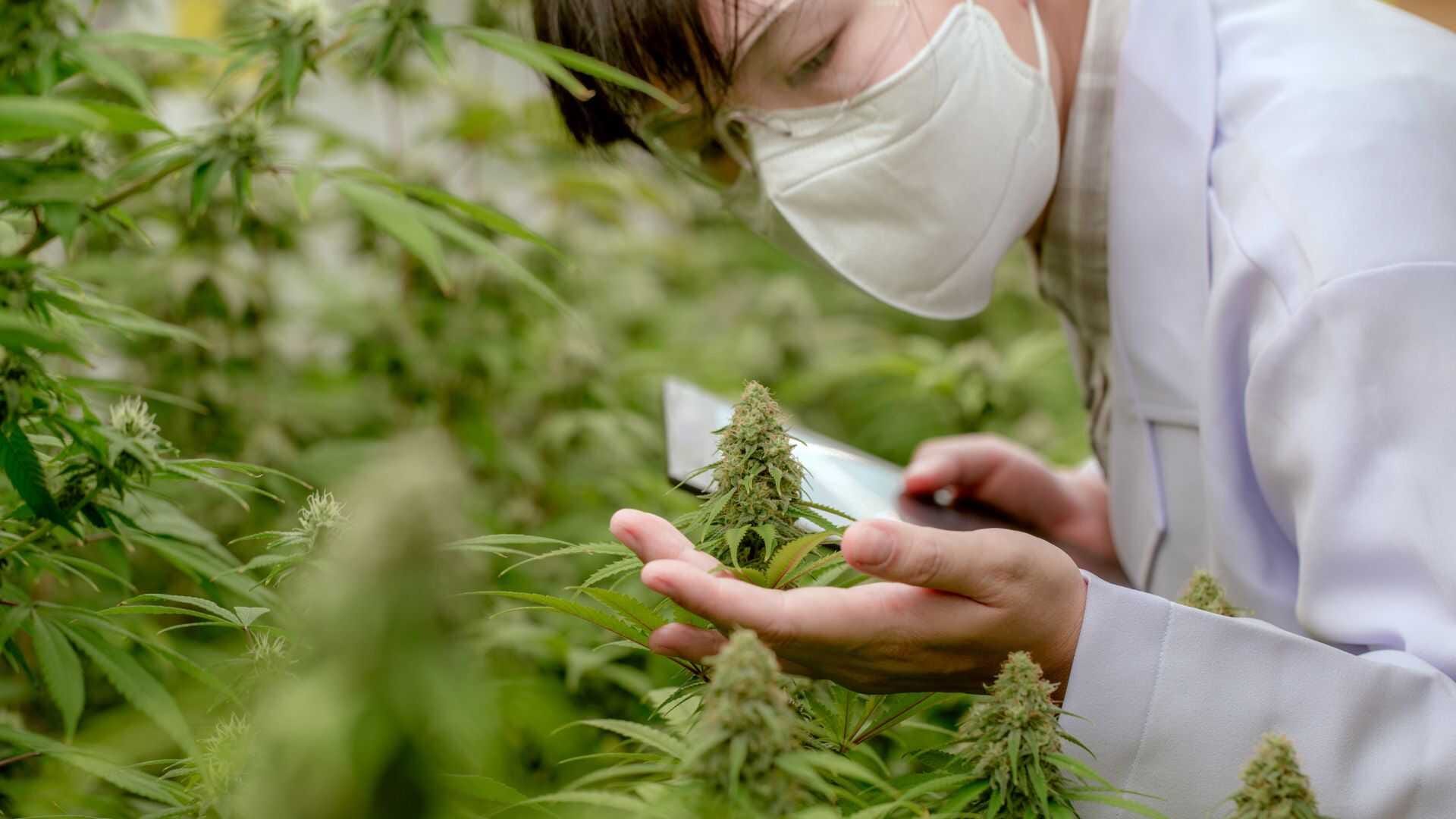
The grower's ability to read and respond to the plant’s physical cues, such as changes in leaf appearance or bud development, is essential for timely and effective adjustments. A big part of crop steering is acute observations of the plant's reactions to the changes or environment. Many people read plants well but cannot articulate their observations. This is why diligent note-taking and setting phenotypic data points are invaluable to this technique. The accumulation of data provides a detailed metric output, making it much easier to make informed decisions and communicate the reasons behind these decisions. However, there are also elements of conditioning involved.
Preconditioning plants to be better equipped to deal with a particular stress is a well-established practice. This sometimes means that the plants' feedback tells the grower that the plants are struggling or not coping with the current environment. The gut reaction is to adjust the condition and ‘rescue’ the plants. However, if done correctly, conditioning will allow plants to be in a better state of readiness to cope and, in future rounds of exposure, will not look so ‘unhappy’ when dealing with stress. For instance, a grower might gradually reduce temperatures in the growing environment to precondition cannabis plants to colder conditions. Initially, the plants may show signs of stress, such as reduced growth rates or colour changes. Over time, the plants adapt, building resilience to cooler temperatures. In subsequent growing cycles, when exposed to similar conditions, these preconditioned plants exhibit less stress and adapt more quickly, demonstrating improved tolerance. This is an advanced technique, and a detailed understanding of the stress response pathways is helpful so as to avoid overstressing the plants.
Freewheeling: Advantages Of Crop Steering
The advantages of using crop steering in cannabis cultivation are their own reward. Advantages such as increased yield, improved quality, and efficient resource use are all important to the grower.Adaptability and utilization of the given environmental conditions with the chosen genotype are also massive potential benefits. It might sound like a good idea to bring the latest tasty indoor Californian variety into the glasshouse facility in Europe, but do not assume the outcomes are assured. In reality, the durability of the genotype is not always a given, and hunting through various phenotypes on-site will ultimately lead to a more productive plant. In this sense, phenohunting for production plants is a type of crop steering, and something that actually scales well to the home-grower also. After all, every grower has a unique growing environment, so looking for the most optimal variety and then individual within a population is a precursor to crop steering.
Theory vs Practice: An Actual Example
Crop steering can be used as a way to push the crop towards a very specific output. For example, take the two traits of high THC production and flowering with a light period of 15 hours of light. Suppose the grower has the option of starting material with the natural ability to flower under these longer days or high THC production. In that case, the grower will always use the longer-day variety. This is because THC production can be ramped under the right conditions. Although each genotype may have its limits, it’s a more malleable trait than flowering under longer days. In other words, pushing the plant to flower under longer days is a much more challenging steer than increasing cannabinoid production. Exceptions will occur, but the point remains that there are traits that are ‘tuneable’ and traits that are more fixed.
Potholes Everywhere (or Traffic Ahead): Challenges And Considerations
If every growing environment were expertly and precisely controlled, then the need for crop steering would be reduced. This is because adapting the growing environment to the cultivar is probably a good option when the environment is perfect and can be easily changed.
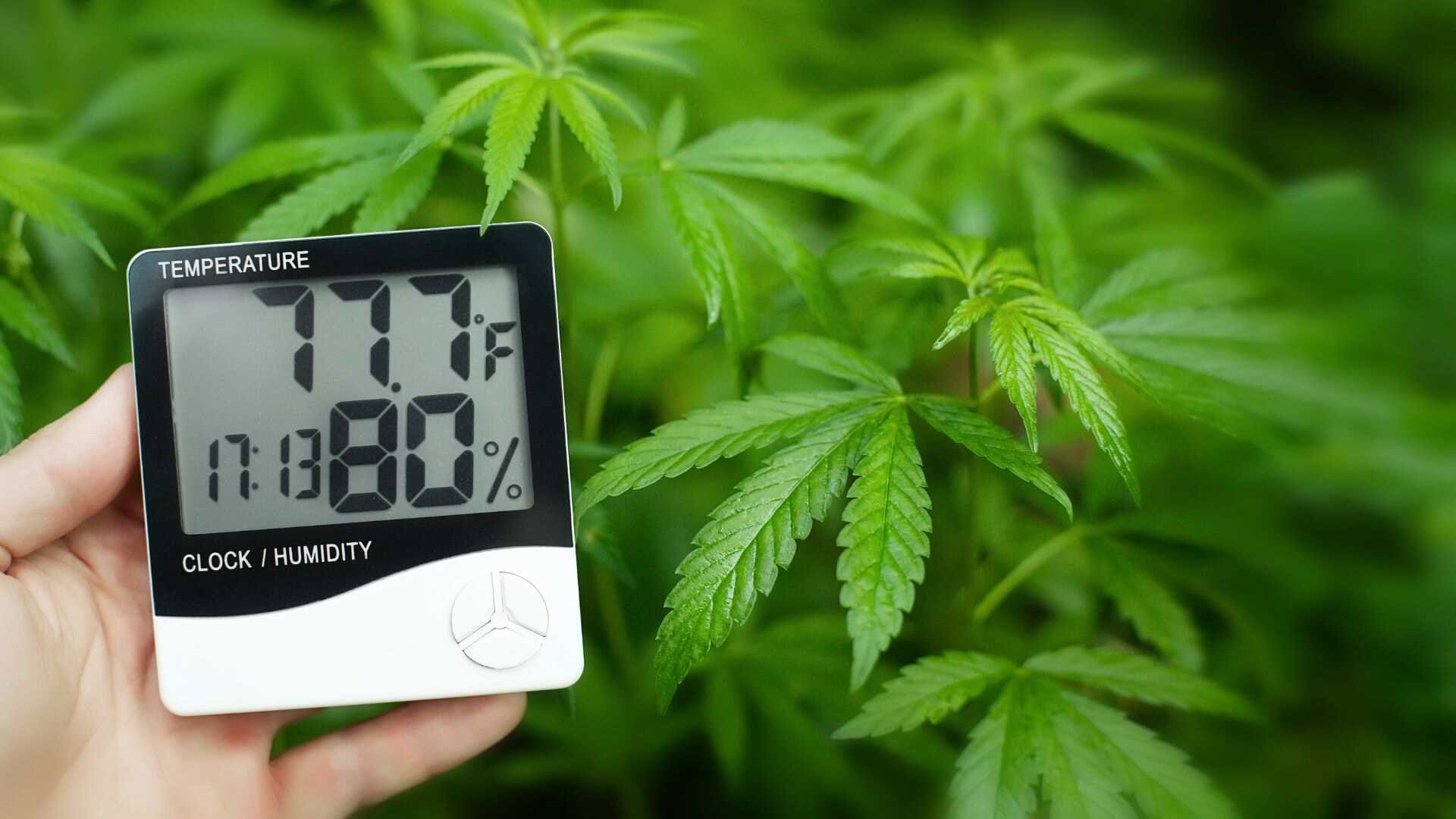
Tightly controlling the environment without flux is rare, and most growers have some type of fluctuation in their system. Therefore, when crop steering, these fluctuations (maybe the reason the grower is crop steering) will need to be absorbed by the plant. If the conditions fall too far outside favorable, crop steering efforts may be in vain. Different cultivars have different tolerances or physiological responses to specific stress, meaning not all plants can be pushed as far as others. Switching from a more traditional Northern Lights to a more modern Zkittlez, for example, will usually require tightening everything in the environment! This difference between the genotypes can cause headaches for production, especially if one type is not established in that grow area.
Data management/collection is, therefore, key. Not all growers are good at this side of things. In fact, over time, even the more diligent note-takers can slip. As their experience increases, their need to jot things down decreases. This process during crop steering efforts is, therefore, essential. Otherwise, the observed outcomes may not align with what the grower believes to be influencing them. Crop steering can be a burden on resources, too. Managing a crop steering project can pull resources away from production and create an issue over prioritization. This, and over-refining the steer, i.e. fine-tuning over and over, can be a bit of a rabbit hole. Some things are best left; otherwise, the stress caused by constantly shifting the conditions can be masked in the effort. This usually results in unhappy plants, especially if not given the time to recover and thrive in ‘new’ conditions.
Conclusion: Right Of Way
Crop steering in cannabis cultivation is often a subtle and dynamic process, balancing knowledge of the plants and their molecular pathways with practical application. It usually means the grower is following a set framework, which involves plant feedback and adjusting conditions. It requires understanding the unique language of the plant's outputs, such as visual cues, and responding accordingly. Though challenging, the practice of preconditioning plants exemplifies this deep understanding of plant responses. It showcases the grower's ability to think ahead and prepare the plants for future challenges/stress. The advantages of crop steering are clear, but they are not guaranteed. They depend on the grower's ability to refine the chosen genotype with the specific environmental conditions that provide the desired outcome. This harmony is not always easily achieved, especially when introducing new genotypes into unfamiliar environments. It requires patience, experimentation, and a willingness to learn from each growing cycle. While the rewards of successful crop steering are significant, they come with the caveat of constant learning, adaptation, and a nuanced understanding of the plant's needs and responses. This makes crop steering not just a cultivation technique but a journey of continuous learning and adaptation to refine outcomes.